An in-depth guide to using the best food thermometers

There is no other way as effective as using a thermometer to make sure your food is cooked to a safe internal temperature. Therefore, knowing which food thermometer to go for and figuring out how to use it correctly is of utmost importance for everyone. In this article, we will show you three types of the best food thermometers to choose from, as well as a step-by-step guide on how to use your thermometer effectively.
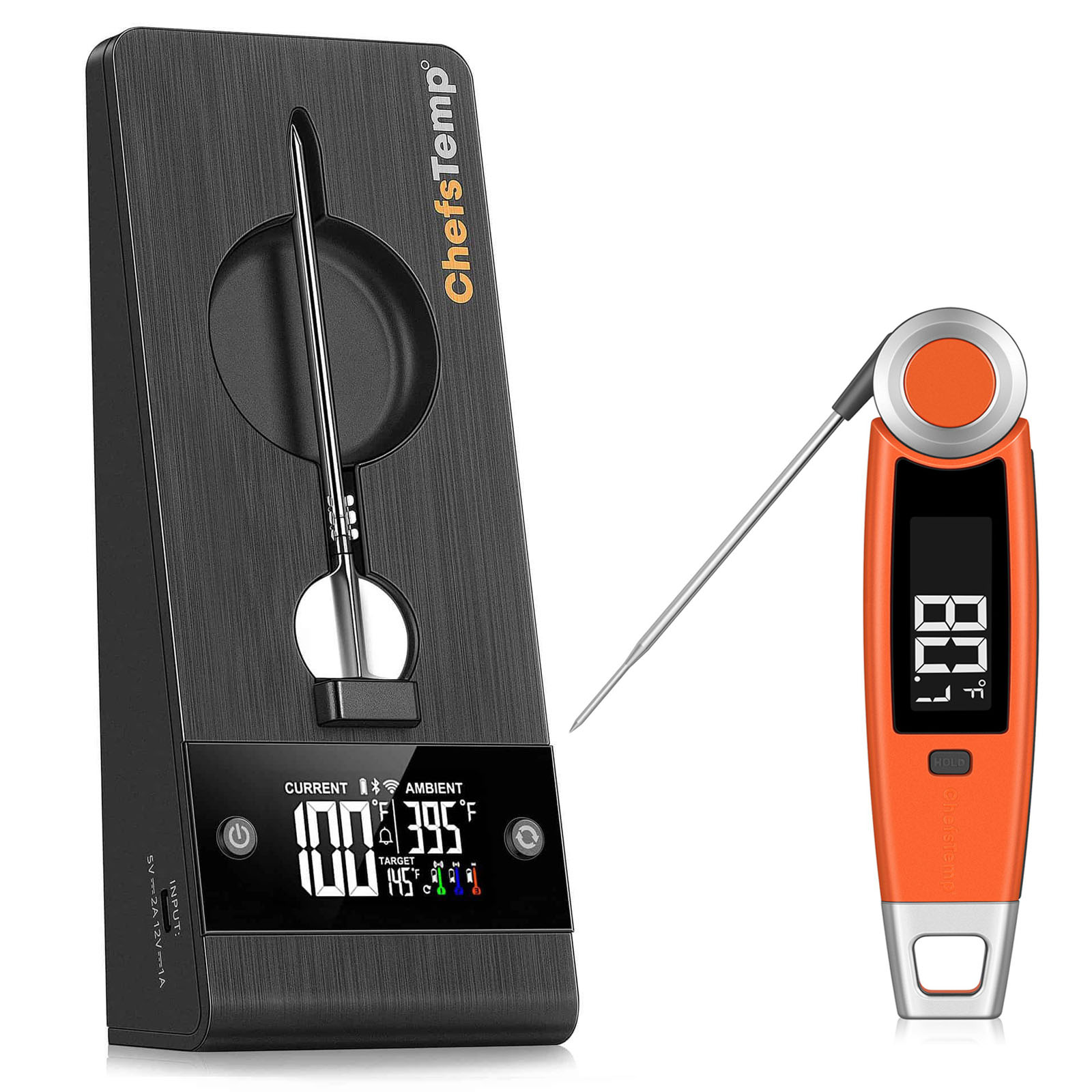
What Are the Best Food Thermometers Out There?

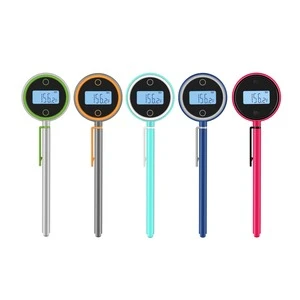
There are a lot of thermometers out there. Looking at different types available in the market as well as what each one of them is best used for will help you choose the best food thermometers for your kitchen. https://www.chefstemp.com/wp-content/uploads/2022/03/best-food-thermometers-300×300.jpg Here are the four main types of food thermometers you can choose from:
  1. Leave-in thermometers
These are oven-safe thermometers. They come in two different types, manual and digital.
  • Manual leave-in thermometers
A manual leave-in thermometer comes with a big dial that makes it easy for you to monitor your food’s temperature by simply peeking at the dial from the oven door glass window, without taking the food out of the oven to temp it. A dial food thermometer usually takes one to two minutes to read food temperature.
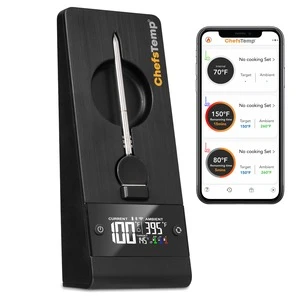
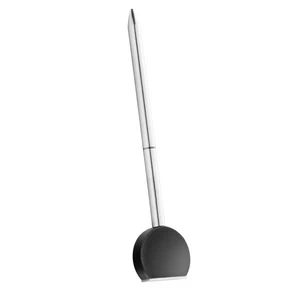
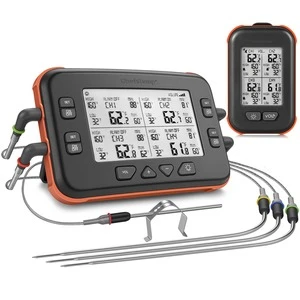
  • Digital leave-in thermometers
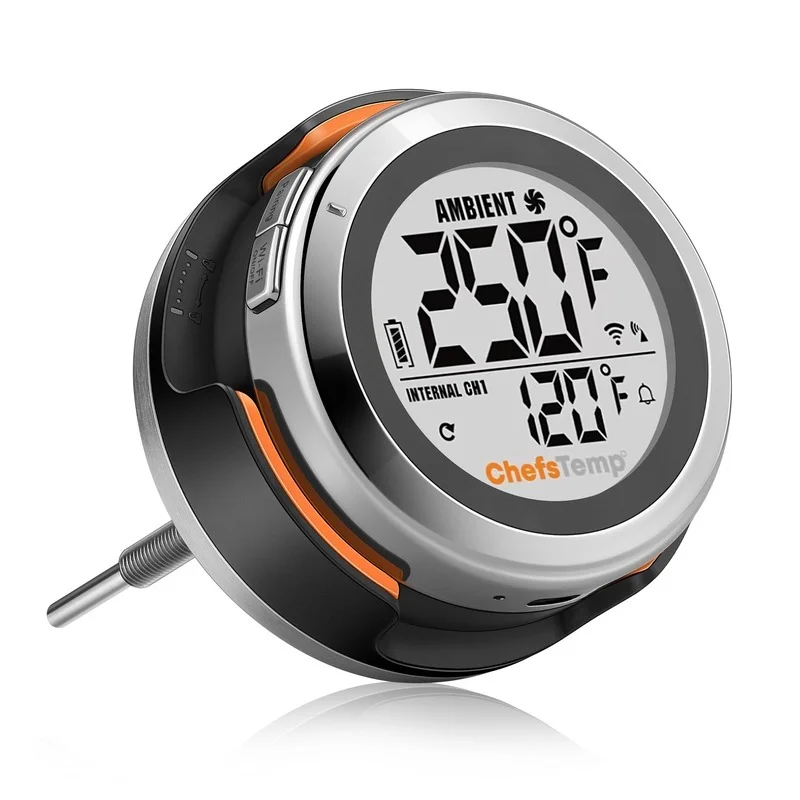
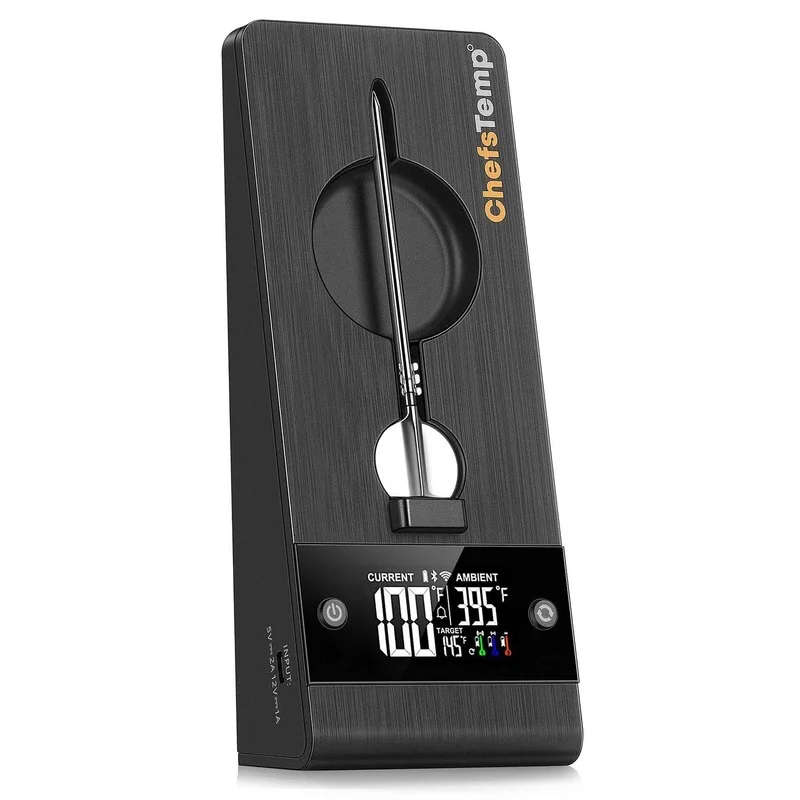
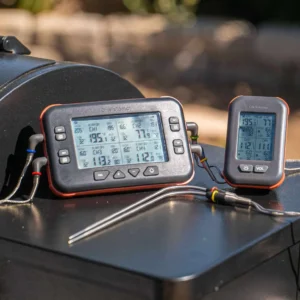
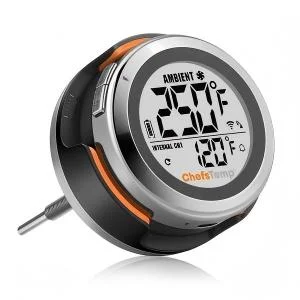
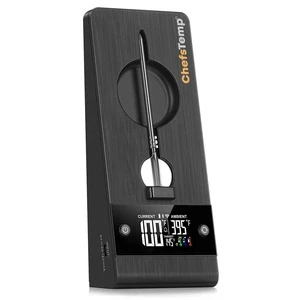
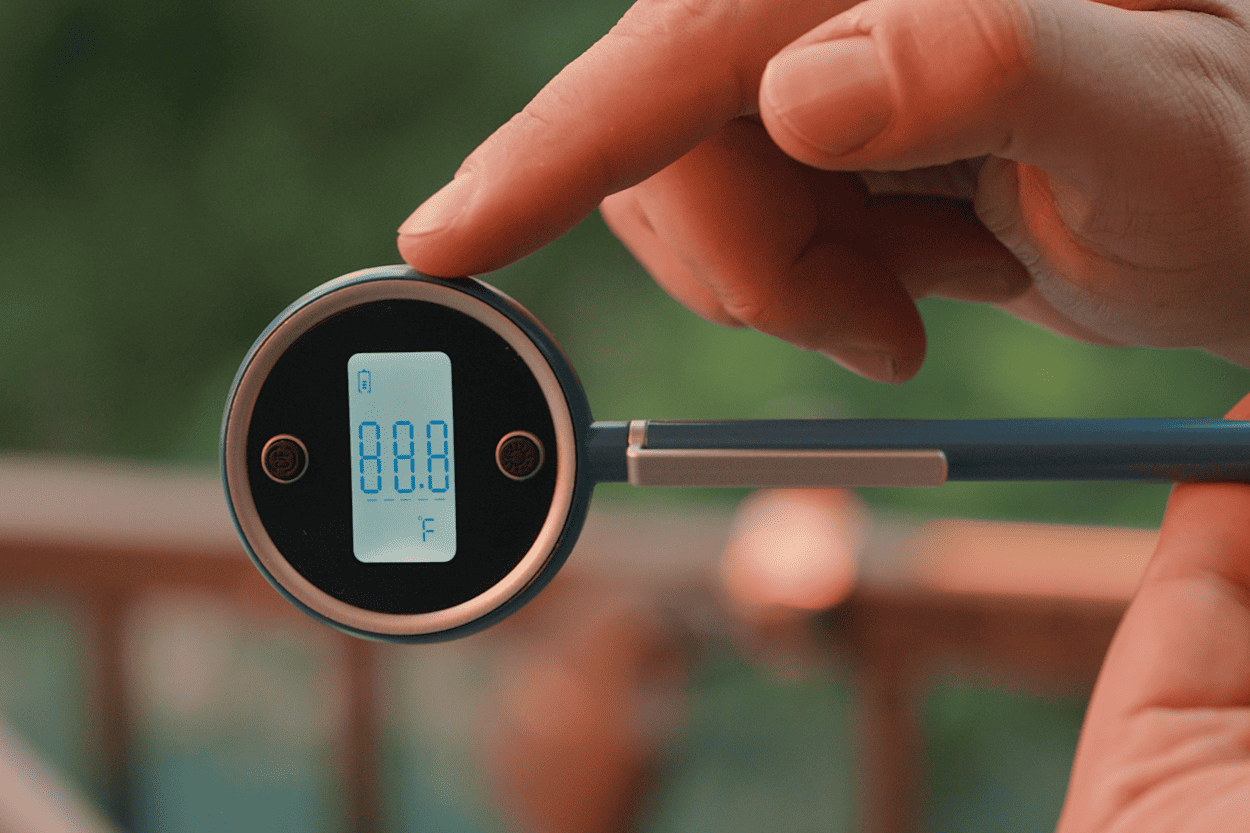
Electronic leave-in thermometers are more sophisticated, accurate, and practical.  They come with an oven-safe wire attached to a probe you insert in the food and a magnetic thermometer unit that you attach to the outside of the oven. Electronic leave-in thermometers can be set to the desired temperature and once your food reaches it, they beep, alarming you that the food is ready. Both leave-in thermometers are best used for soups, casseroles, and roasts. They don’t work that well for thin food though.
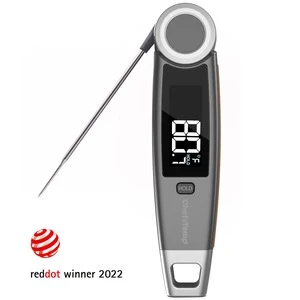
  1. Digital instant-read thermometers
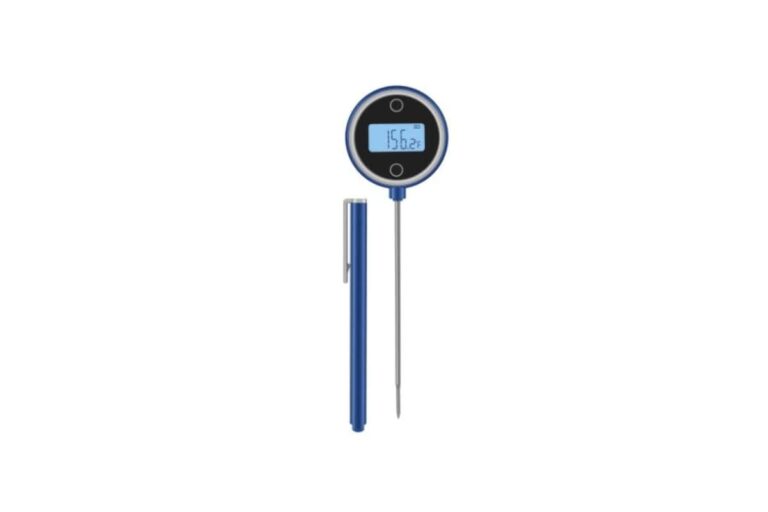
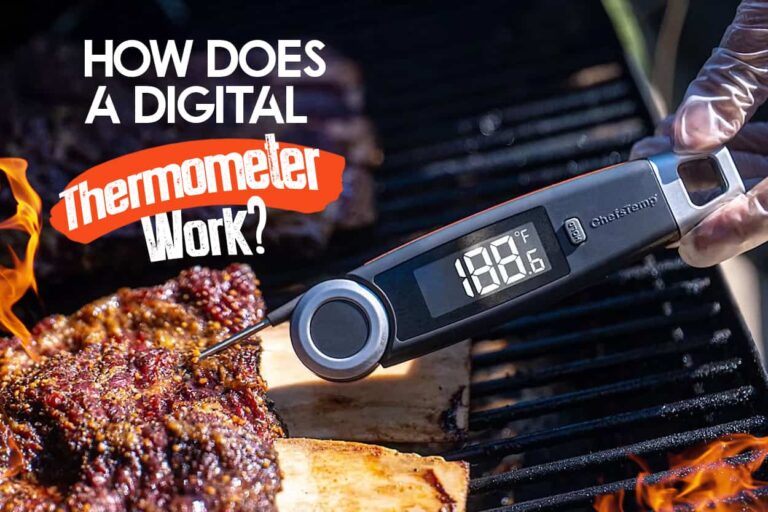
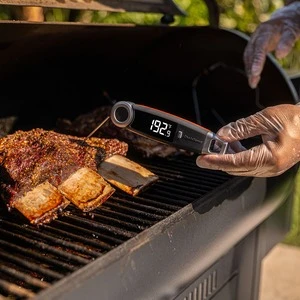
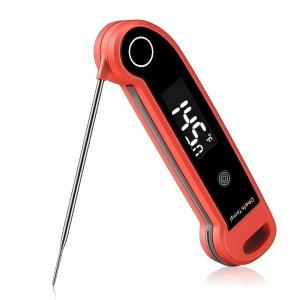
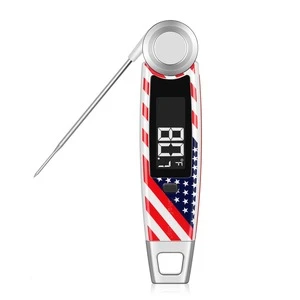
Unlike leave-in thermometers, digital instant-read thermometers aren’t oven-safe, which means that you cannot leave them in the oven while the food is cooking. Instead, you’ll need to take the food out, temp it, remove the thermometer, and put the food back in the oven. Digital instant-read thermometers are designed for fast and accurate food temperature readings. It typically takes less than 10 seconds for this type of thermometer to read your food temperature. An instant-read meat thermometer can be used to check the doneness of meat and seafood and measure chicken internal temp. It can also be used for thin foods, just make sure you insert it sideways for an accurate reading. These are the three most used food thermometers. However, there are other less-known food thermometers that people rarely use like: https://www.chefstemp.com/wp-content/uploads/2022/03/ChefsTemp-How-to-Properly-Reheat-BBQ-Leftovers-with-the-Best-Meat-Thermometer-1-300×200.jpg
  • Floating thermometers
  • Oven thermometers
  • Pop-up thermometers
  • Infrared thermometers
These thermometers are not practical, and they don’t help in measuring your food’s internal temp. We advise you to stick to digital ones, as they are more accurate and user-friendly.

Why Should You Use a Food Thermometer?

A good electronic meat thermometer is not just another fancy piece of equipment you add to your kitchen utensils. A quality digital probe thermometer is useful in three ways:
  • It helps you avoid overcooking your food.
  • It makes it easier for you to keep track of your food’s temp and make sure it’s cooked to a safe internal temperature, where food pathogens are destroyed.
  • Finally, it is also key in ensuring your food is held and stored at a safe temperature, away from the danger zone.
Now that you know how essential a good thermometer is in your kitchen, let’s look at how to safely use it.

How to Use Your Food Thermometer correctly?

It doesn’t matter what type of food thermometer you use. Generally, the four steps outlined below should be used with almost any type of thermometer.
  1. Make sure your thermometer is accurate
Before you use your thermometer, you first need to test it out to see if it is accurate or not. This can be done in two ways.
  • Test it in an ice bath
https://www.chefstemp.com/wp-content/uploads/2022/05/Test-it-in-an-ice-bath.jpg Using the ice bath is very effective in determining how accurate your thermometer is. Grab a large glass of water. Then, fill it with ice. Pour in cold water. Mix the two well. Let the mixture rest for two to three minutes. After that, place the thermometer’s probe in the glass of water and check the temperature. Wait a few seconds for the thermometer until the temperature stabilizes. Then, look at the final reading. It should be 32℉(0℃).
  • Test it in boiling water
Testing your thermometer in hot water is also a great way to figure out if it’s precise or not. Fill up a pot with water and bring it to a boil. Insert the probe’s tip two inches deep in the water. Make sure it doesn’t touch the sides or the bottom of the pot. Wait a few seconds for the temperature to stabilize. After thirty seconds, the thermometer should read 212℉(100℃). If you notice that your thermometer is giving you flawed readings, make sure you calibrate it before you use it. The calibration process differs from one thermometer to another.  However, most thermometers come with a step-by-step guide on how to do that. Check the thermometer’s user manual and you’ll find a section there that explains how to calibrate the thermometer properly. https://www.chefstemp.com/wp-content/uploads/2022/05/Test-it-in-boiling-water.jpg
  1. Place the probe in the food correctly
The way you place your thermometer’s probe in the food is important for accurate readings. For meat, chicken, and seafood, in general, you need to insert the tip of the probe in the thickest part of the food and push the probe halfway through, paying close attention not to touch any bones and cartilages. For liquid foods, you first need to stir the food thoroughly to make sure the heat is evenly distributed. Then, guide the thermometer’s probe to the center of the liquid, far away from the heat source and the sides of the food container.
  1. Wait it out
Once you place the thermometer’s probe inside the food, you’ll need to wait a few seconds to a minute or two, depending on what food thermometer you’re using. For a digital thermometer, wait for 10 to 15 seconds. For a manual one, however, it could take you up to 2 minutes to get a temperature reading. The internal temp the thermometer should point out to is as follows:
  • 145 degrees F for fish, beef, lamb, pork, and veal.
  • 165 degrees F forchicken breasts.
  • 175 degrees F for chicken thighs and drumsticks.
  1. Take care of your thermometer
Your thermometer should be cleaned before and after each use to avoid cross-contamination. You can use soap and hot or super cold water to clean it. Don’t immerse it in the water though. Clean it with your hands. And then wash your hands with soap and water thoroughly and dry them with a clean towel.

Final Words

Now that you have an idea about the best food thermometers available for you and how to go about using them properly, go ahead and apply the tips outlined above to your cooking for safe and delicious dishes.