Temperature control is the most critical aspect of cooking. Without heat, you wouldn’t be able to cook food. And if food is not cooked correctly and thoroughly, it is unsafe to eat. Discover why temperature is critical in cooking, along with essential guidelines to ensure food safety.
 If you are a cook or in the food business, you will be aware of the role of temperature in ensuring food safety. Many questions surround the ideal temperature for cooking and storing food to ensure it is safe to consume. While the exact guidelines on those differ, depending on who you ask, one thing is clear: food in the temperature danger zone is dangerous to eat.
So, how does temperature impact food?
To understand why temperature is essential in cooking, you must first understand how bacteria work. There are bacteria everywhere in nature. They are found in the air, soil, water, and food sources. Certain bacteria are present before food is cooked, whether it is plant or meat. Some bacteria don’t cause harm, but many can cause illness when consumed in food.
This is where temperature can play a vital role: cooking food to a specific temperature can kill harmful bacteria in meat and other foods. Without heat, the bacteria survive and enter the human body once the food containing them is eaten. Unfortunately, certain temperatures can also increase bacterial levels, leading to various diseases.
To ensure safety when cooking, you should be familiar with various temperature guidelines.
If you are a cook or in the food business, you will be aware of the role of temperature in ensuring food safety. Many questions surround the ideal temperature for cooking and storing food to ensure it is safe to consume. While the exact guidelines on those differ, depending on who you ask, one thing is clear: food in the temperature danger zone is dangerous to eat.
So, how does temperature impact food?
To understand why temperature is essential in cooking, you must first understand how bacteria work. There are bacteria everywhere in nature. They are found in the air, soil, water, and food sources. Certain bacteria are present before food is cooked, whether it is plant or meat. Some bacteria don’t cause harm, but many can cause illness when consumed in food.
This is where temperature can play a vital role: cooking food to a specific temperature can kill harmful bacteria in meat and other foods. Without heat, the bacteria survive and enter the human body once the food containing them is eaten. Unfortunately, certain temperatures can also increase bacterial levels, leading to various diseases.
To ensure safety when cooking, you should be familiar with various temperature guidelines.
 Foodborne illnesses are easily preventable. Using a thermometer ensures you’ve hit the ideal temperature to kill harmful bacteria in any food.
Use the thermometer to check the internal temperature of the food, such as meat and poultry. Always check the minimum temperature guidelines set by the USDA and other regulatory authorities.
Foodborne illnesses are easily preventable. Using a thermometer ensures you’ve hit the ideal temperature to kill harmful bacteria in any food.
Use the thermometer to check the internal temperature of the food, such as meat and poultry. Always check the minimum temperature guidelines set by the USDA and other regulatory authorities.
Part 1. Why is Temperature Important?
If you are a cook or in the food business, you will be aware of the role of temperature in ensuring food safety. Many questions surround the ideal temperature for cooking and storing food to ensure it is safe to consume. While the exact guidelines on those differ, depending on who you ask, one thing is clear: food in the temperature danger zone is dangerous to eat.
So, how does temperature impact food?
To understand why temperature is essential in cooking, you must first understand how bacteria work. There are bacteria everywhere in nature. They are found in the air, soil, water, and food sources. Certain bacteria are present before food is cooked, whether it is plant or meat. Some bacteria don’t cause harm, but many can cause illness when consumed in food.
This is where temperature can play a vital role: cooking food to a specific temperature can kill harmful bacteria in meat and other foods. Without heat, the bacteria survive and enter the human body once the food containing them is eaten. Unfortunately, certain temperatures can also increase bacterial levels, leading to various diseases.
To ensure safety when cooking, you should be familiar with various temperature guidelines.
- The Temperature Danger Zone
- Cooking
- Storing
- Reheating
Part 2. Why is it Important to Use Food Thermometers?
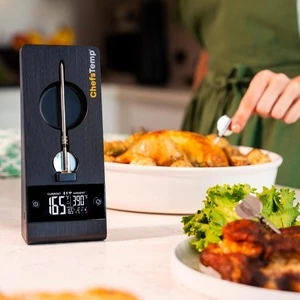
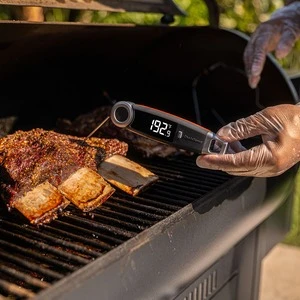
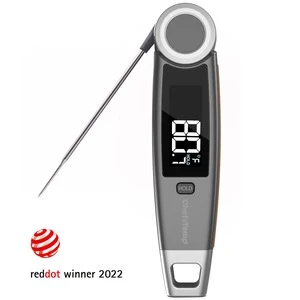
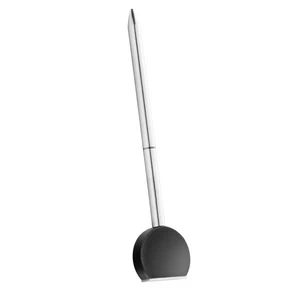
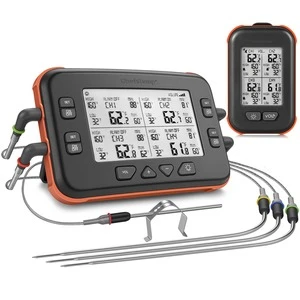
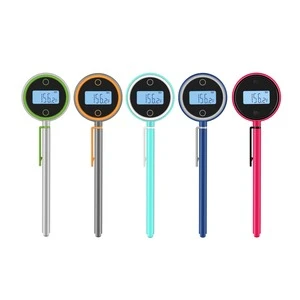
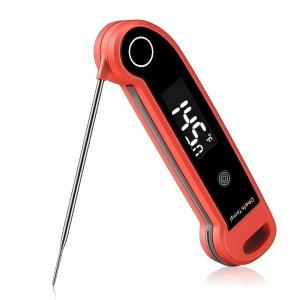
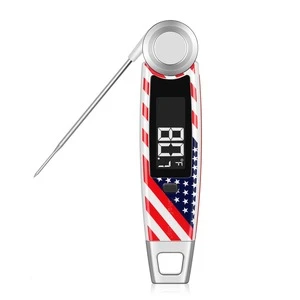
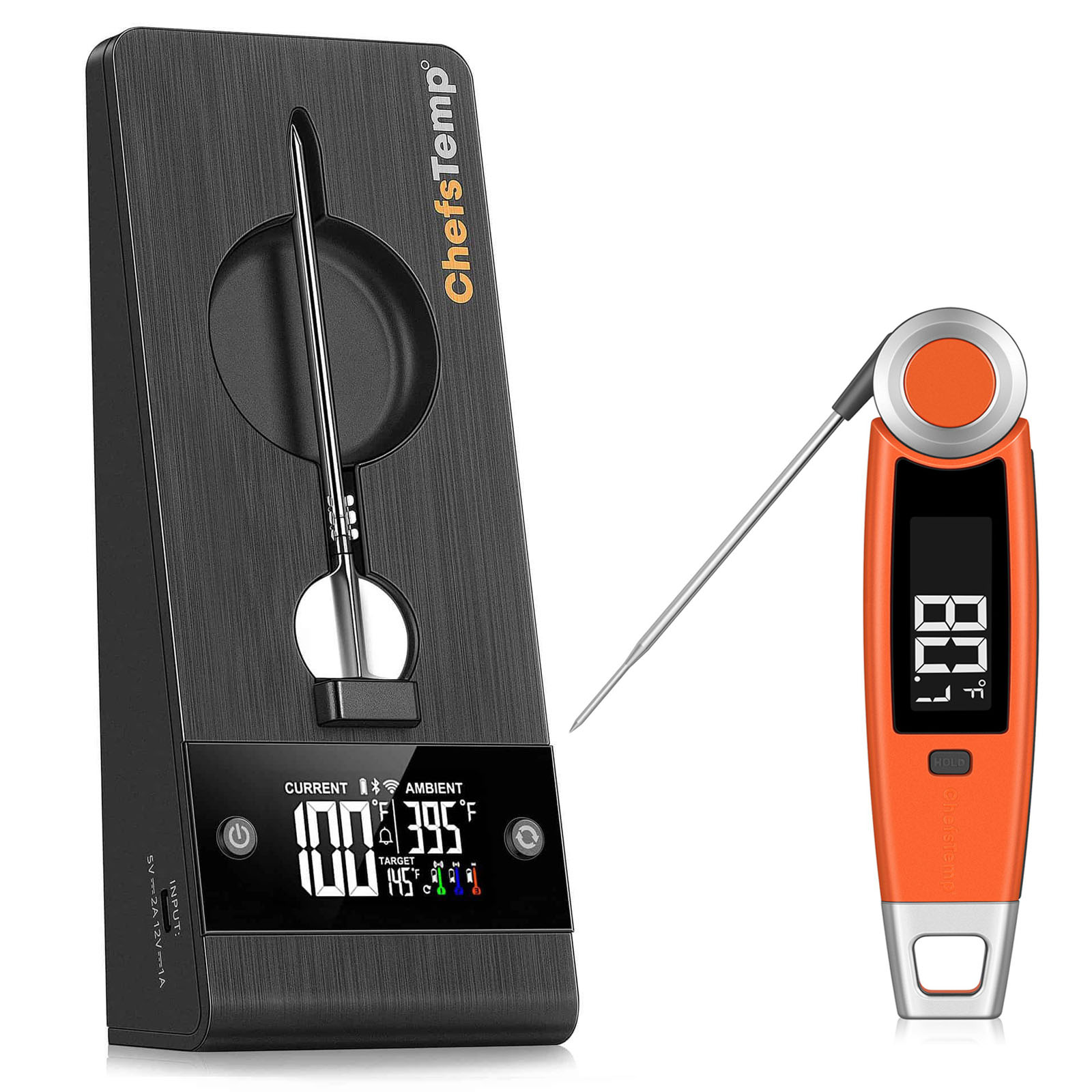
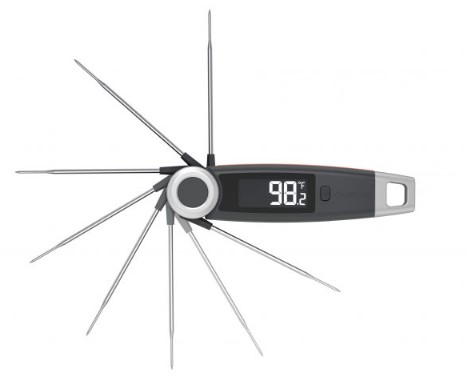
The best way to check the temperature of your food is by using a powerful thermometer. When it comes to food safety, you cannot afford to take a guess. You must be accurate about the food temperature to guarantee it is safe. Thermometers are kitchen tools used to measure food temperature accurately. Therefore, they are essential in the kitchen and are the cornerstone of food safety measures.It Helps Reduce the Risk of Food Poisoning
Foodborne illnesses are easily preventable. Using a thermometer ensures you’ve hit the ideal temperature to kill harmful bacteria in any food.
Use the thermometer to check the internal temperature of the food, such as meat and poultry. Always check the minimum temperature guidelines set by the USDA and other regulatory authorities.