Avoid Reaching a Temperature Danger Zone with a Temperature Chart
Posted by
zevinavavisu@gmail.com
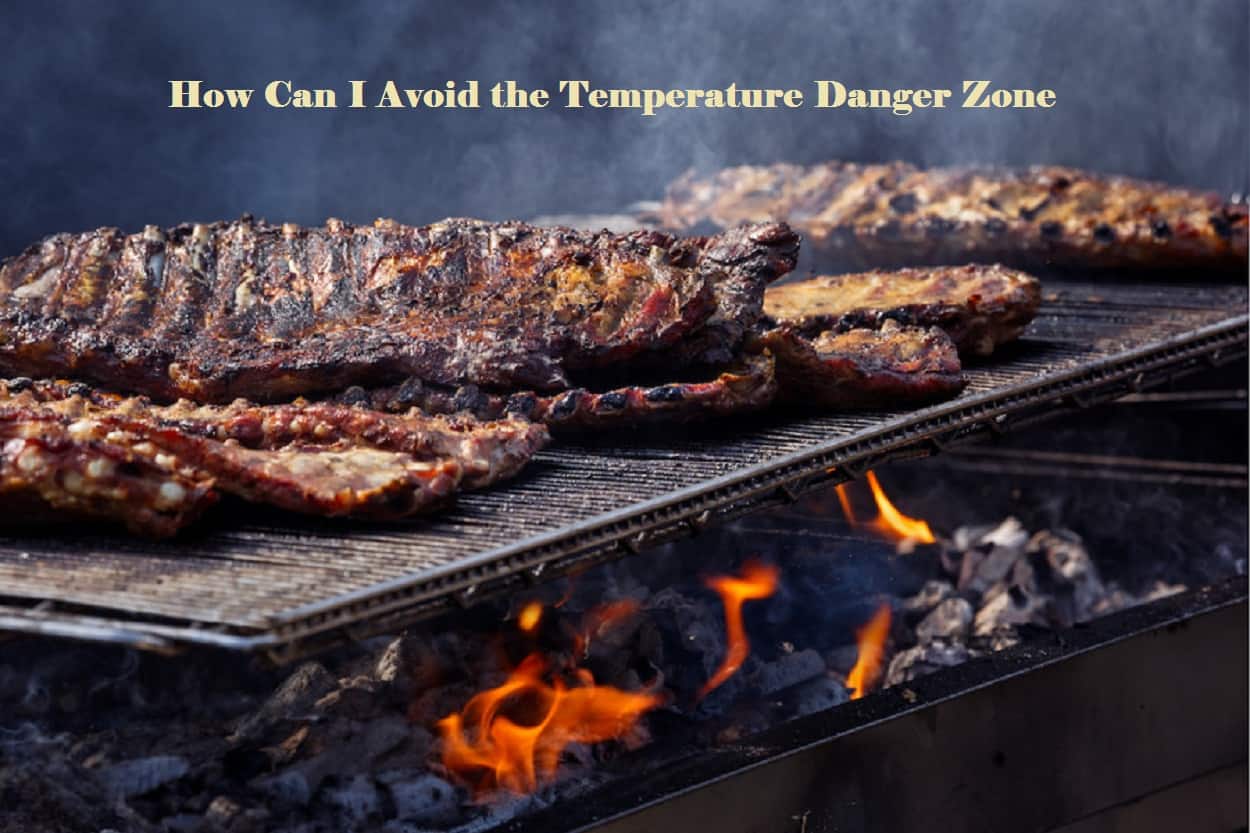
In modern society, food safety is an essential factor; it does not matter if you are cooking in your home or professional kitchen; all the food should be safe to eat. For better food safety, you should know about the temperature danger zone. But what is the temperature danger zone?
What Is the Temperature Danger Zone for Food?
There is a temperature range for any food you cook that can develop bacteria; This temperature range is called the temperature danger zone. Food Standards Agency (FSA) recommends keeping this range between 46°F-140°F (8°C-60°C). That means the food should be frozen or heated beyond 140°F (60°C). At 46°F (8°C), it shows slow bacteria growth. And at 140°F (60°C), bacteria can multiply very quickly. So, it is better if you can keep the temperature above 158°F (70°C).Different Temperature Ranges
For the sake of the article, we will talk about different temperatures and how bacteria react to those temperatures. That way, you will get a better idea about the temperature danger zone.- Below 41°F (5°C): This is the best option for chilled foods. Even though freezing doesn’t eliminate the bacteria, it will slow the growth of the bacteria to a great extent.
- Between 68°F (20°C) and 122°F (50°C): This is the perfect range for bacteria growth. In this range, bacteria will multiply quickly, and the optimum temperature for any bacteria growth is 99°F (37°C). So, it would help if you avoided this range.
- 158°F (70°C): This is England’s recommended cooking temperature, so try to keep your cooking temperature above 158°F (70°C).
- 176°F (80°C): This is the recommended temperature if you are cooking in Scotland.
How Can I Check the Food Temperature?
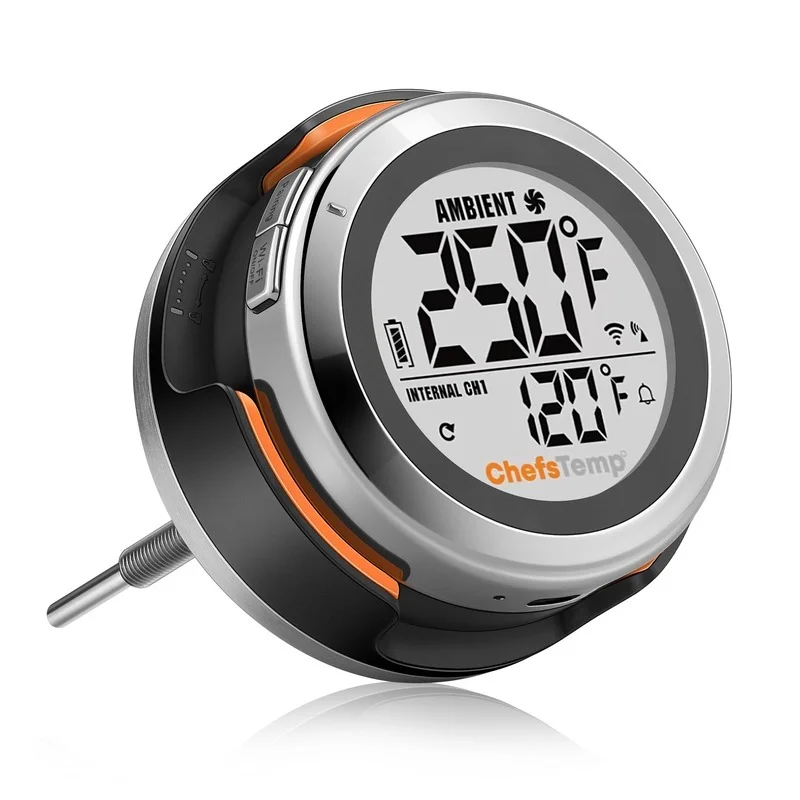
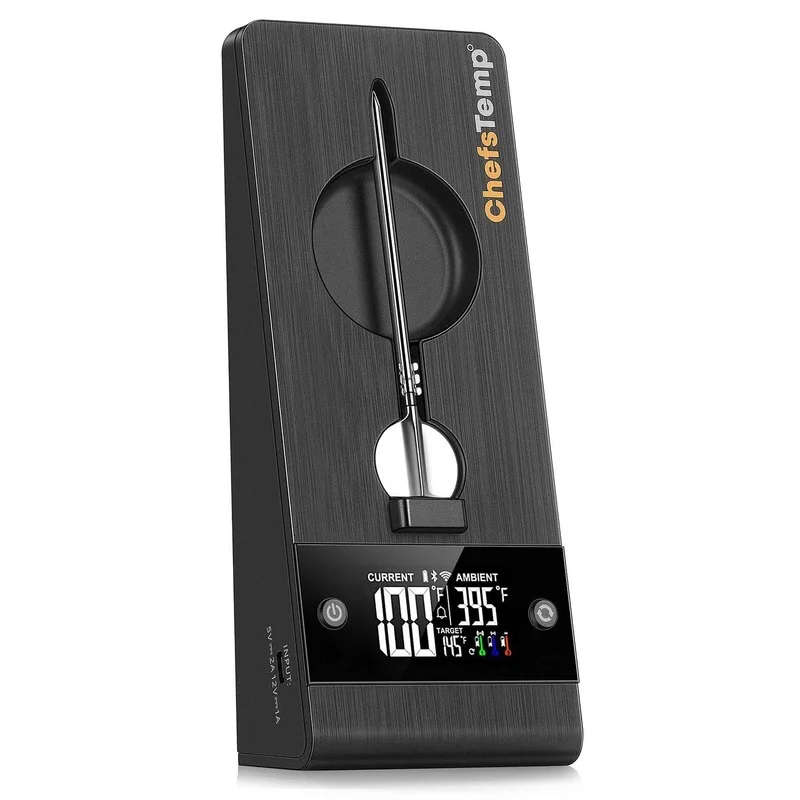
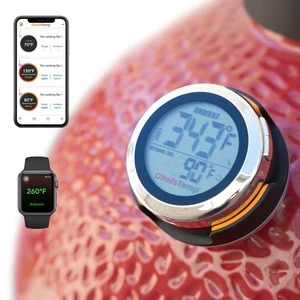
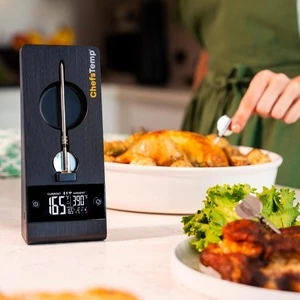
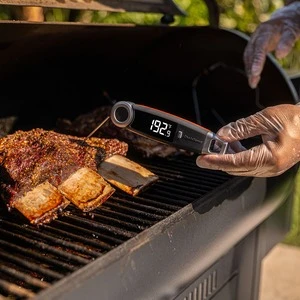
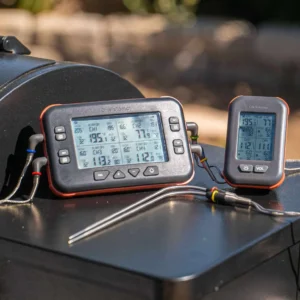
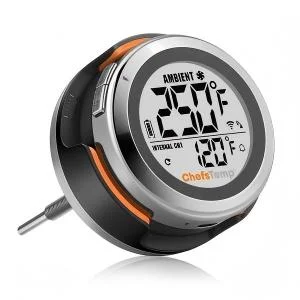
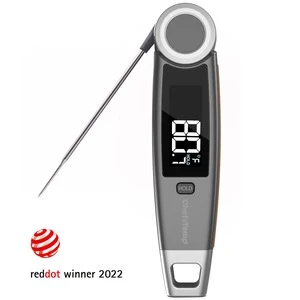
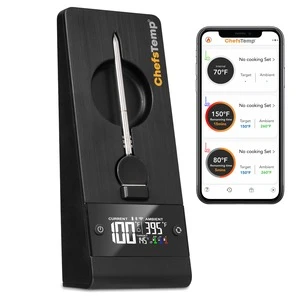
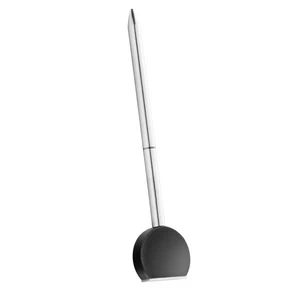
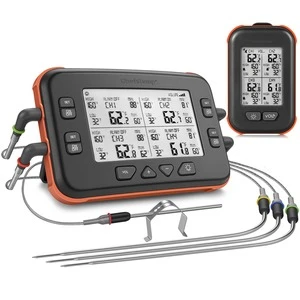
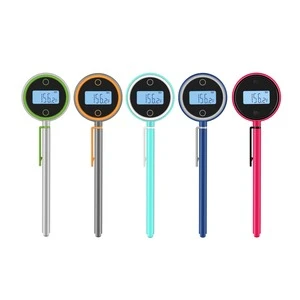
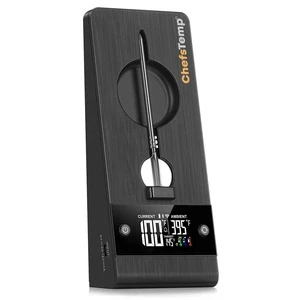
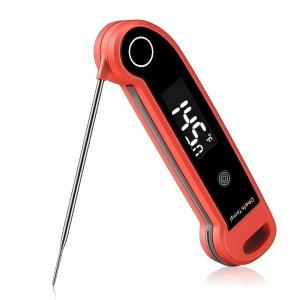
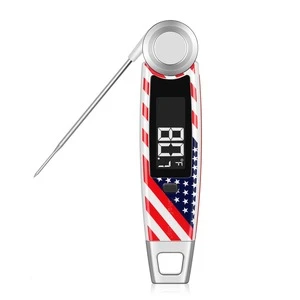
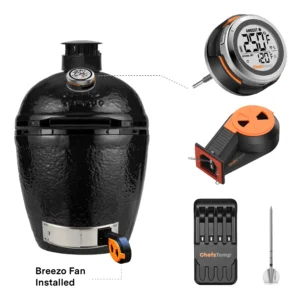
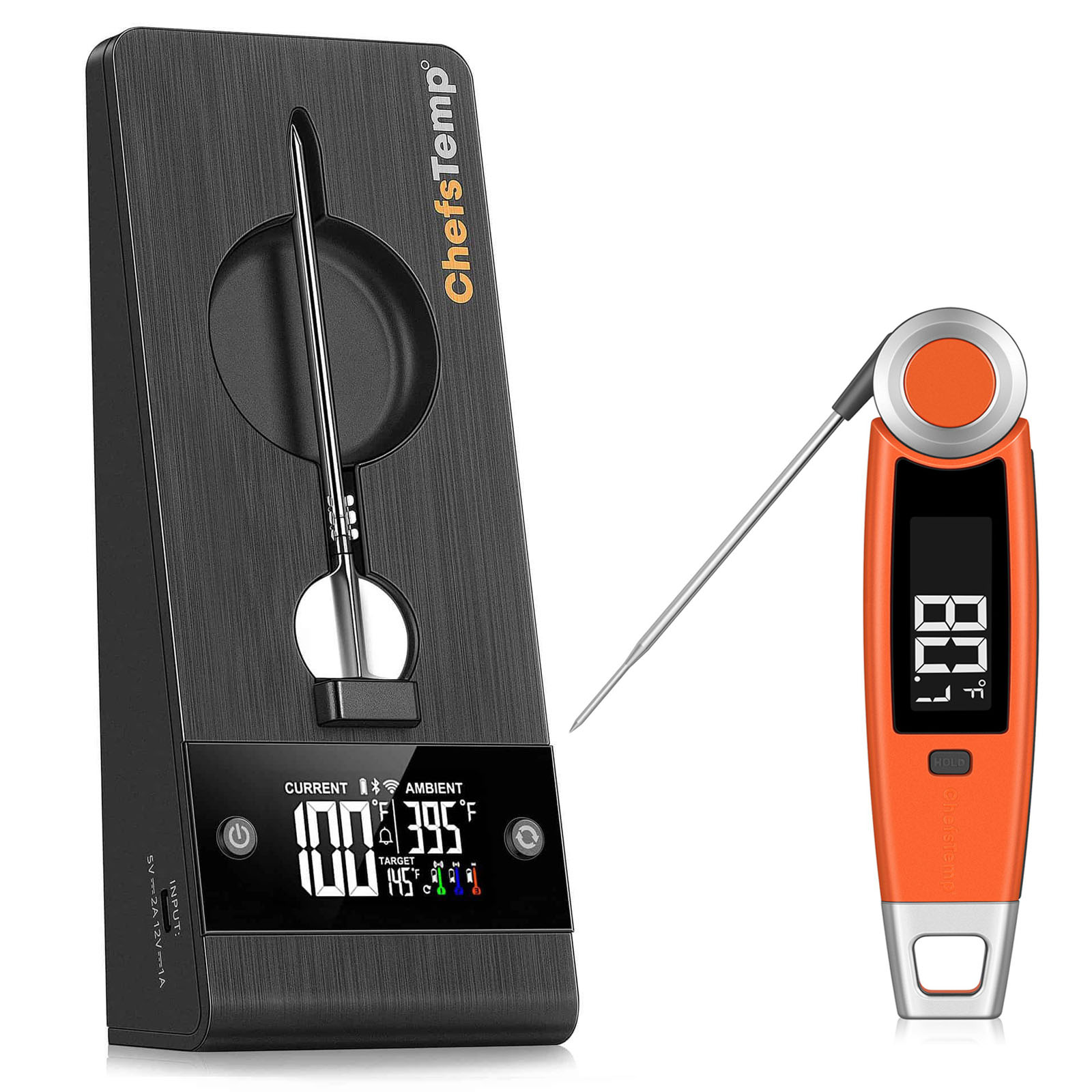
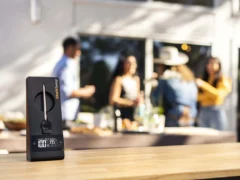
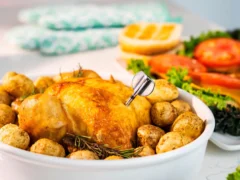
https://www.chefstemp.com/wp-content/uploads/2022/02/ChefsTemp-What-is-the-Best-Instant-Read-Thermometer-for-Cooking-Large-Cuts-of-Meat-5-e1644819544564-300×278.png The best option to check the food temperature is using a kitchen thermometer. These thermometers come in many forms, such as instant-read thermometers, meat thermometers, electronic meat thermometers, and many more. You can check the food temperature by inserting the probe into the food, and it will instantly give you the corresponding reading. Modern electronic meat thermometers come with a large screen and 270-degree rotation probe. So checking food temperature is much easier.Things You Should Remember While Using a Kitchen Thermometer
Here are some important facts you should remember while using a kitchen thermometer:- Make sure to insert the probe into the thickest part of the food or meat.
- Do not let the probe touch the bottom of the pan; this might lead to incorrect readings.
- Always insert it into the center.
- Normally, the temperature of the probe will increase rapidly.
- After checking the food temperature, clean the probe, and disinfect it properly.