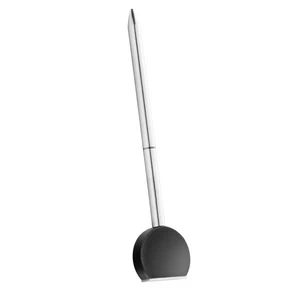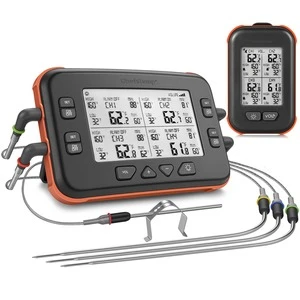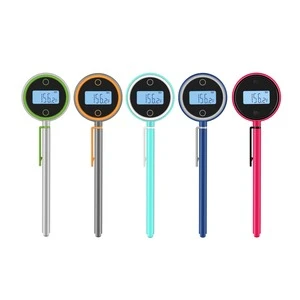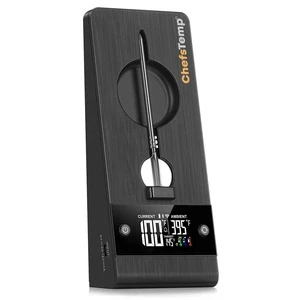
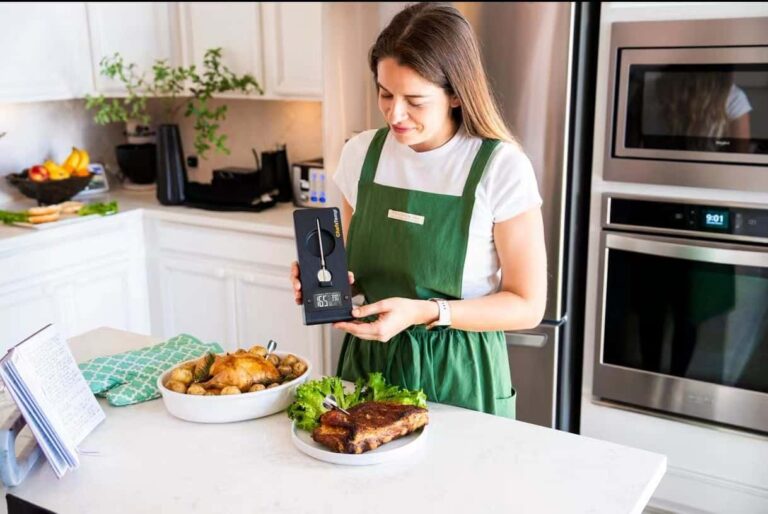
Cooking times and temperatures vary based on the size, shape, type of meat, and preparation techniques used. When it comes to testing your meat’s doneness, using a meat thermometer is always necessary. A meat thermometer eliminates the guesswork when it comes to cooking, so you won’t have to worry about your food being undercooked or overcooked, so it is perfected to your liking every time.
While cooking something like a steak may seem like a simple task, it is not exactly something that people can get right every time, especially when it comes to how they want it cooked. For instance, a steak like a flank steak takes much less time than a thicker steak like filet mignon. However, when you have a great meat thermometer, it allows you to get an accurate temperature reading. From medium to rare, having a meat thermometer is always handy and will make your cooking experience a breeze.
How to Cook Meat Properly
One of the most important steps that comes with cooking meat properly is letting the steak come to room temperature before it is placed on the grill. This means that ideally, you should let your steak rest on the counter top for 30-45 minutes prior to cooking. This will allow the steak to cook evenly since it will be the same temperature throughout, as you’ve given it a chance to rest before cooking. When you let your steak rest on the counter prior to cooking, you will not have to worry about a burnt exterior with a cold internal temperature of your steak.How to Use a Meat Thermometer
The best way to determine your meat’s doneness is by checking its internal temperature using a high quality meat thermometer that provides an accurate and fast temperature reading. To do so correctly, you should insert the thermometer probe into the thickest part of the meat. There should not be any fat, cartilage, or bone near where you are inserting the thermometer. Another important thing to keep in mind is that after you take your steak off of the grill, it will continue cooking more by about 5 degrees. Therefore, you should take your steak off at about 5 degrees less than your desired temperature.Internal Temperatures for Your Steak’s Doneness
Rare : 125-130 degrees Fahrenheit
-
- estimated cook time is 8 minutes
Medium-rare: 130-135 degrees Fahrenheit
-
- estimated cook time is 9 minutes
Medium: 135-140 degrees Fahrenheit
-
- estimated cook time is 10 minutes
Medium-well : 140-150 degrees Fahrenheit
-
- estimated cook time is 11 minutes
Well-done: 155 degrees Fahrenheit or more
-
- estimated cook time is 12 minutes or more
The Importance of Letting Your Steak Rest After it Cooks
Another crucial step of properly cooking your steak involves letting your steak rest after you take it off the grill. You should let your steak rest for at least five minutes for every inch of thickness before cutting into it. The purpose of this is to let the juices of the steak redistribute so you don’t cut into an overly firm piece of meat.What Does Culture Have to Do With a Steak’s Doneness?
Believe it or not, there does seem to be cultural differences in how meat is cooked. In America, the topic of beef is quite popular. There are many different ways of cooking steak, as well as many different cuts and preferred ways of eating it. Many steak aficionados would say that the best way to eat steak is medium to medium-rare temperatures; however, according to many studies, most Americans actually prefer their steak well-done. Steak’s doneness can be a sensitive topic for some, especially chefs. There have been many instances where people will ask for their steak “well-done” at a restaurant, and there are some chefs who get offended or simply can’t bear to bring themselves to cook a steak that is well-done. Something to keep in mind about a steak’s doneness and different cultures is that not every country eats the same cuts of meat or prepares it the same way–so that’s one thing to think about. Many discussions surrounding the topic claim that Hispanics, English, and Germans prefer their meat well-done. For example, a common Mexican dish that is made is Carne Asada, which is a flank steak. Flank steaks are much thinner in comparison to a thicker cut of meat, so it is more difficult to achieve a certain temperature other than well-done. However, the way a person likes their meat cooked can be looked at both culturally and subjectively.Achieve the Perfect Temperature to Your Liking
As mentioned previously, while the doneness of steak can be cultural, it can also be subjective. Therefore, everyone’s preference is different. The most important thing is to achieve the perfect temperature to your own liking and the best way to do is to have a good meat thermometer for an accurate temperature reading. In order to achieve the perfect temperature every time, your best bet is to have a meat thermometer handy. This way, you can ensure that the temperature, taste, flavor, and juiciness are always there. Who wants to deal with guesswork when it comes to cooking meat anyway? A meat thermometer is something every cook should have, as it will make your job easier whether you’re grilling, barbecuing, or smoking your meat. If you want to cook like a pro and have a great turn out every time, then get yourself a nice meat thermometer. https://www.chefstemp.com/wp-content/uploads/2020/04/finaltouchx10-2-e1607718414763.jpgFinaltouch X10
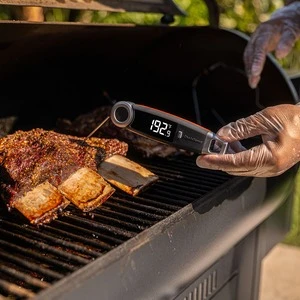
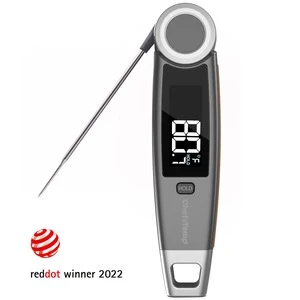
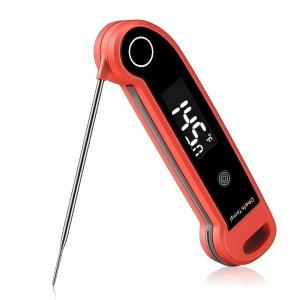
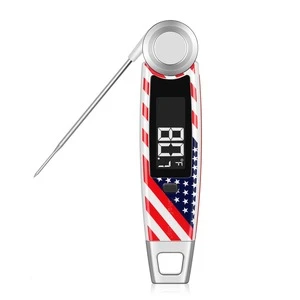
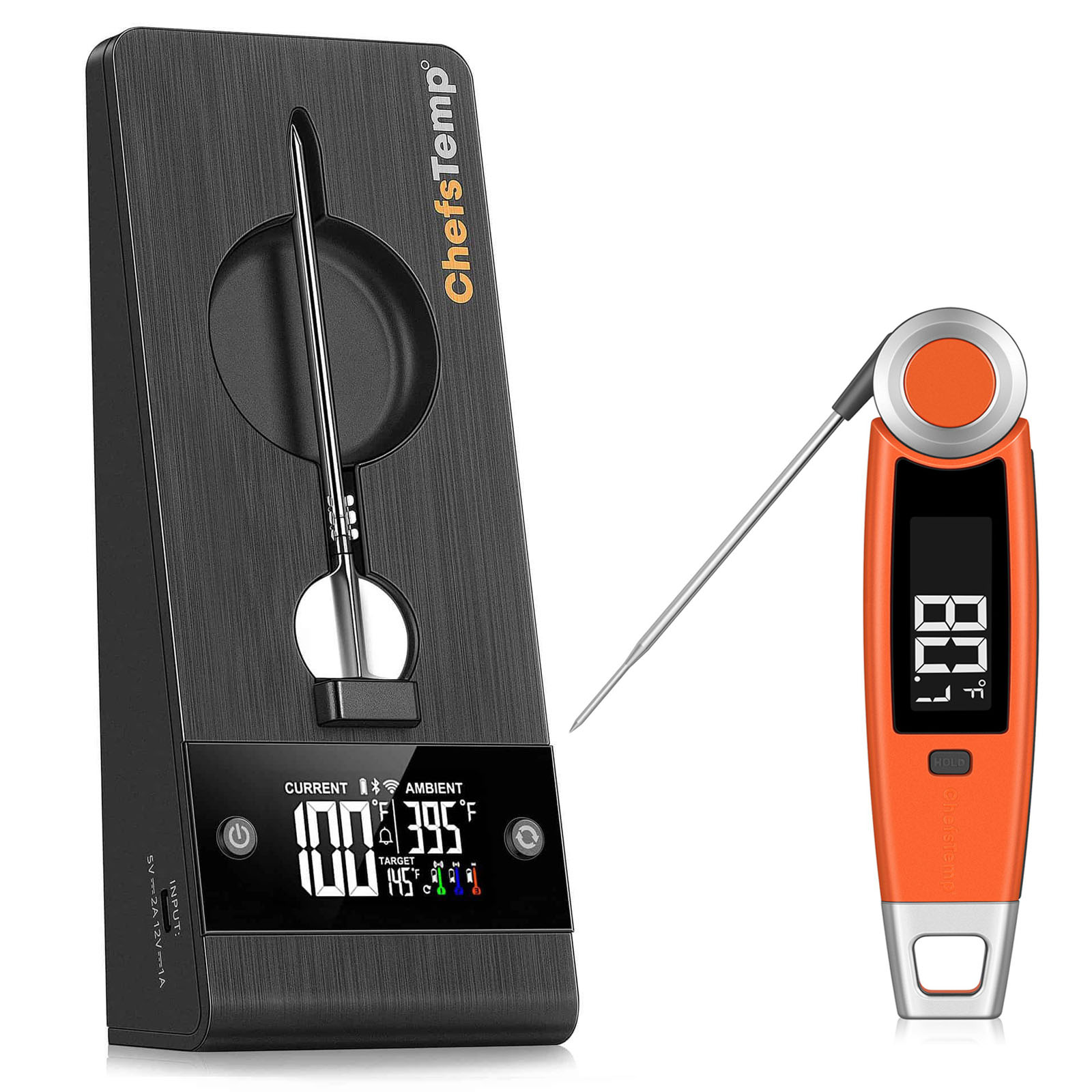
The Finaltouch X10 thermometer from ChefsTemp gives an accurate reading not only for the inside of food but for surface temperatures as well. The diversity of the thermometer’s usage is second to none compared to other thermometers. By getting a reading within 1 second, the Finaltouch X10 from ChefsTemp is prepared to take on any task it is given.Click Here To Get Your ChefsTemp Finaltouch X10 Now!
RELATED POSTS
CHEF IQ Alternative: Is ChefsTemp the Best Thermometer for Smoker Cooking?
The chef iq thermometer has earned a solid reputation in modern kitchens. For indoor roasting, air frying, or ...
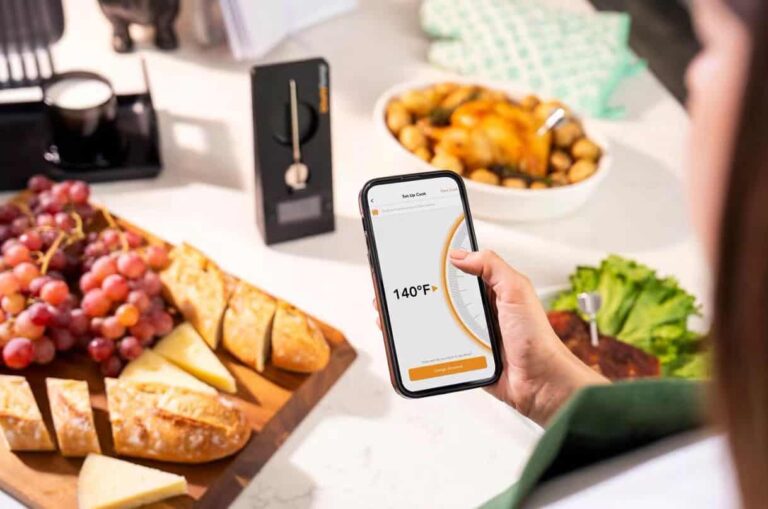
Best Meater Pro Alternatives in 2026: Finding the Best Wireless Meat Thermometer for Smoker
Meater Pro revolutionized wire-free cooking, but heavy-duty steel offsets and thick ceramic kamados create phy...
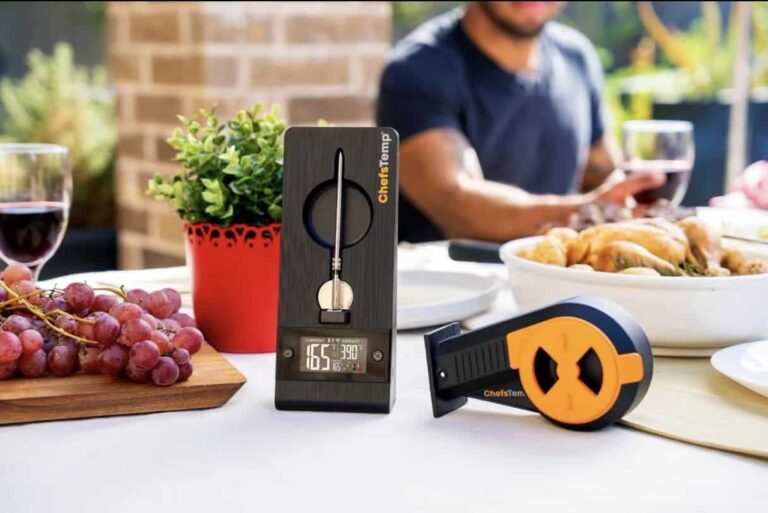
Finding the Best Smart Wireless Meat Thermometer: The Ultimate ThermoWorks RFX Alternative
It takes time, money and accuracy to prepare a top-notch brisket for a weekend BBQ party. However, that enthus...
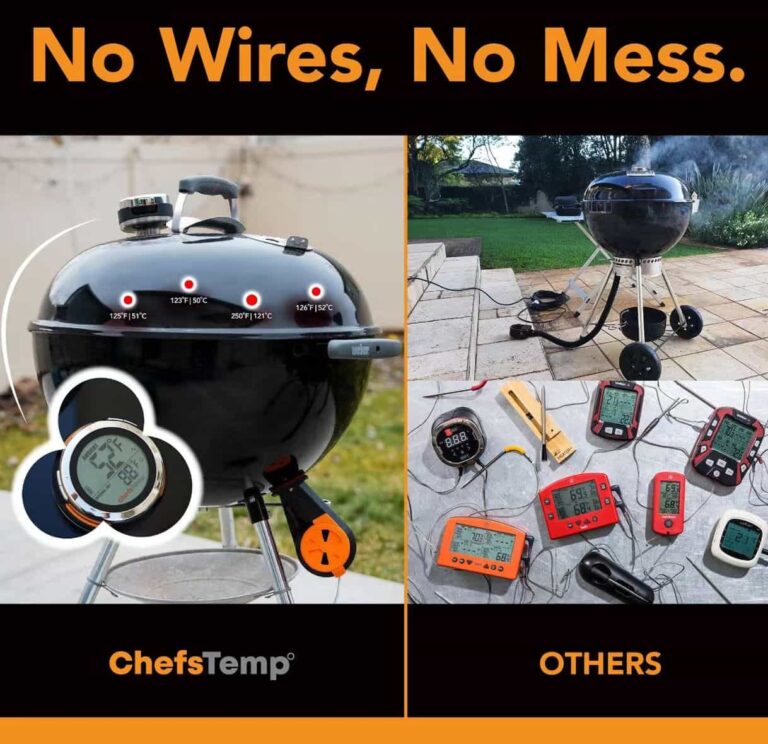
Beyond PitmasterIQ: Transforming Weber Grill Temperature Control with an All-in-One Monitoring Hub
Brisket purveyors have a reputation for waking up in the middle of the night to check the temperature of smoki...
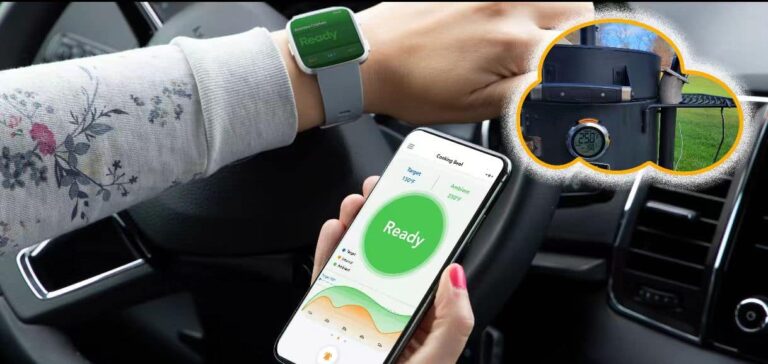
The Ultimate Smart Grilling Hub: A Modern Alternative to BBQ Guru for 2026
I still recall the stress from my first overnight brisket. It wasn't the charcoal that kept me up. It was the ...
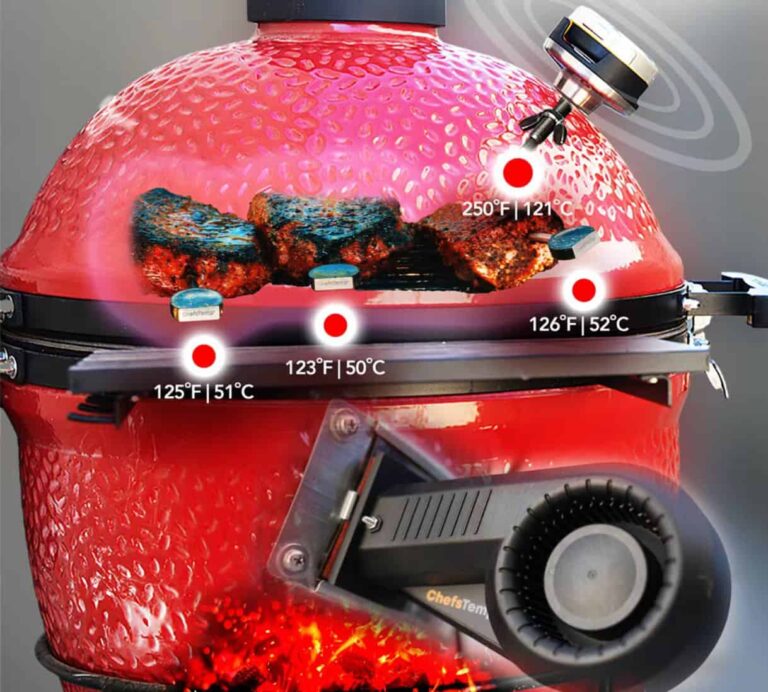
Master Your Kamado Joe Temperature Control: The Ultimate SMOBOT Alternative
A well-insulated grill with high-end ceramic insulation is great. But let's face it: monitoring grill vents fo...
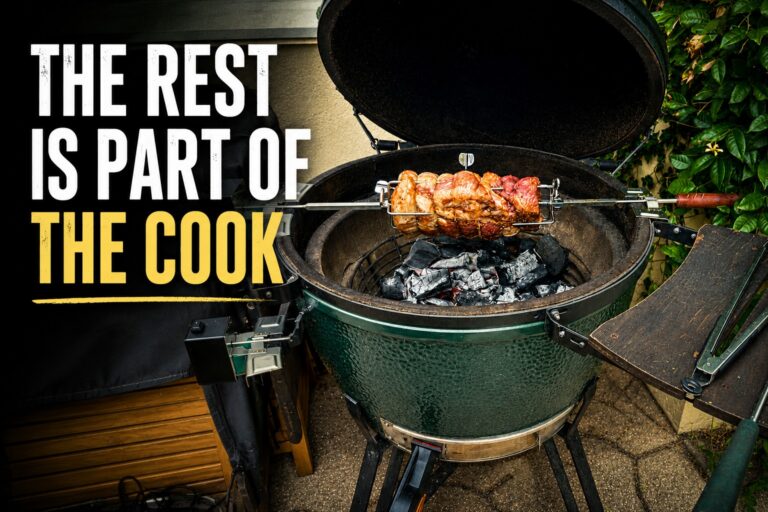
The Rest Is Part of the Cook
"Using time, temperature, and even your grill to protect the final result."
Most of us spend a lot of time th...
Pitmaster IQ Alternatives: Best Smart Wireless BBQ Controls Guide
Compare the top Pitmaster IQ alternatives. Learn about smart wireless smoker controllers that control airflow and heat for perfect meals year-round.
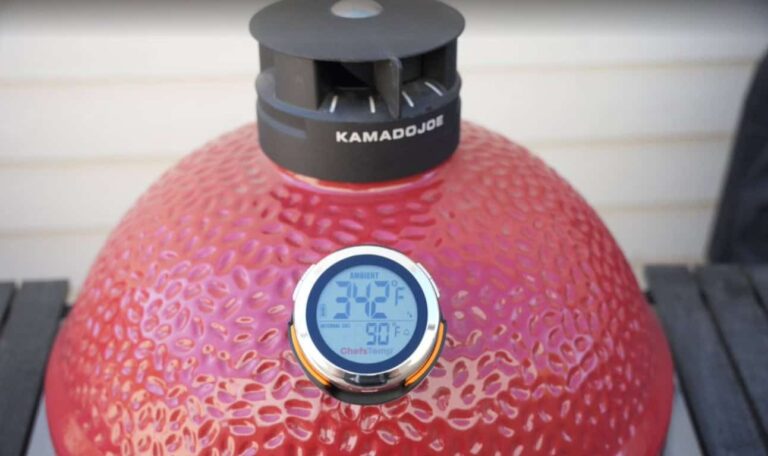
Kamado Grill Accessories: The Ultimate Guide to Building a Smart Ecosystem
Heavy-duty ceramic grills deliver amazing flavor, but that thick-walled grill is a challenge to master. If you...
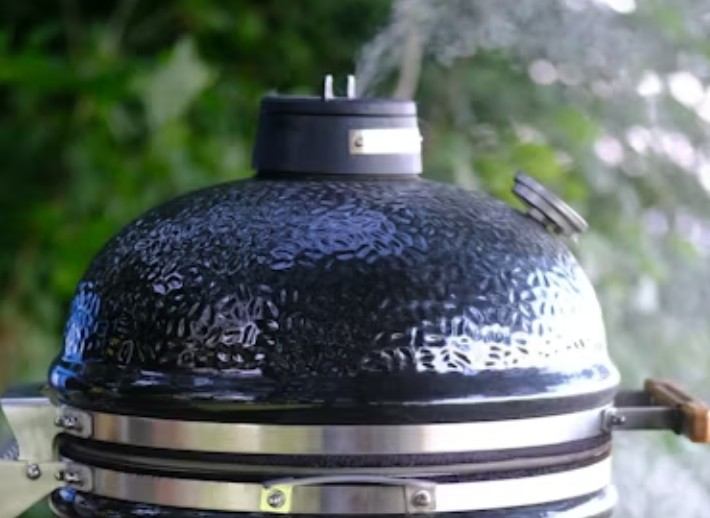
SMOBOT Review: Is It Still The Best Kamado WiFi Grill Controller?
SMOBOT automatically controls your Kamado vent, but jammed gears and weak WiFi can cost entire cooks. Here is what to know before you buy.
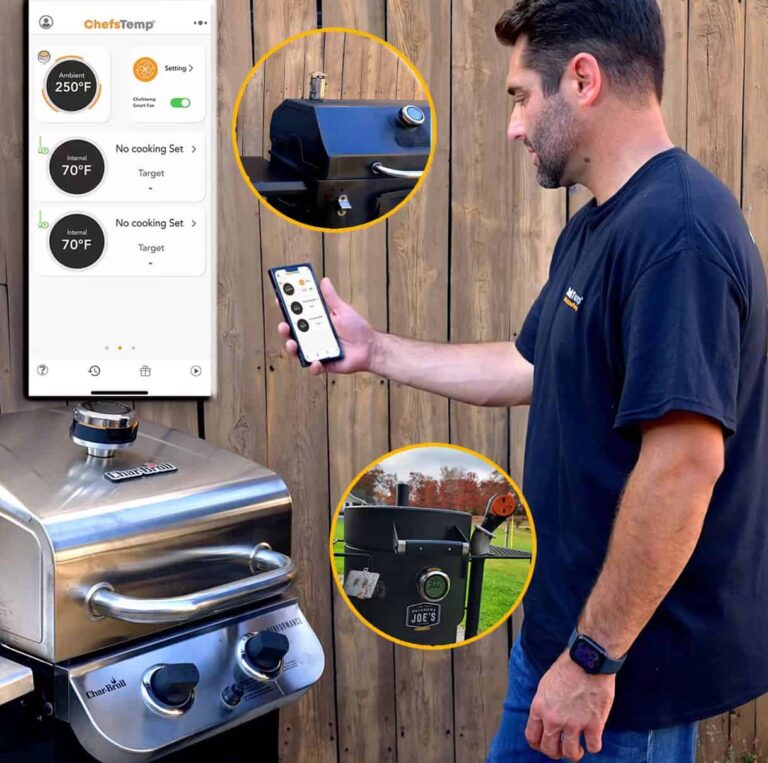
Accessories for BBQ Grill: Brand-Agnostic Compatibility & Tech Integration
Let’s be honest: when you look for accessories for bbq grill, another silicone brush won’t fix a ruined briske...
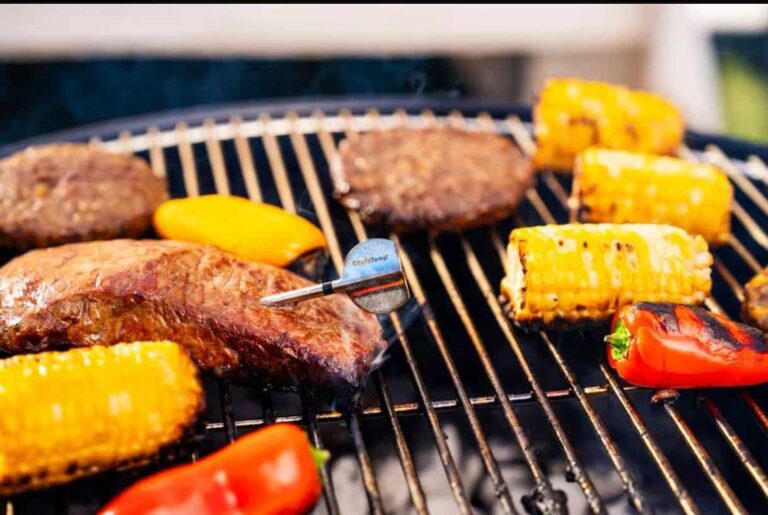
The Best WiFi Meat Thermometer for Smoker: ProTemp Plus (True Wireless) vs. Signals (Wired)
Smoking a brisket requires a full day of commitment. It's not just a “set it and forget it” kind of deal. We'v...