How to Cook It Perfectly Every Single Time
For BBQ grilling, there are many reasons why hamburger is a delicious perennial favorite. In this guide, we’ll share our most popular grilling tips for hamburgers. From selecting your meat to forming patties, to getting your hamburgers to the perfect temperature with an accurate meat thermometer, this guide will give you everything you need to know to start grilling great burgers today.Hamburger Patties: Meat Temperature for Food Safety
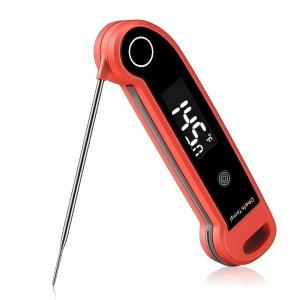
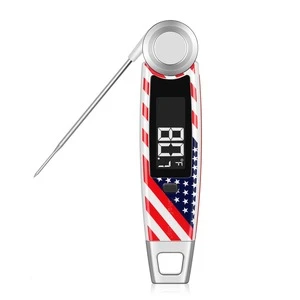
How hot you want your burgers to depend on the taste and texture you’re going for. If you want your burgers to be rare or medium, it’s okay that they remain a bit pink in the middle, which means they’ll retain more of their juices and flavor. However, it’s not safe to judge the safety of your meat on sight alone. To make sure your meat is at a safe temperature for serving and eating, using a good meat thermometer is the only way to make sure your burgers are cooked to the optimum temperature every time. Ideally, especially if you’re a less experienced chef, you’ll want your burgers to be cooked to at least 145 degrees Fahrenheit for “medium,” 150 degrees Fahrenheit for “medium well,” or 160 degrees Fahrenheit for “well done.” The key is to use the best digital meat thermometer as your secret tool for cooking meat. It is suggested that you get some expertise and experience with BBQ grilling before attempting “rare” or “medium rare” burgers. For more information on that, keep reading.How to Select the Best Meat for Hamburgers
Grilling burgers begin with the process of selecting the sort of ground beef you want. You will generally have three options:- Ground chuck is the best choice for the “classic” hamburger flavor as it has the most fat.
- Ground round is the right choice if you want to make leaner hamburgers.
- Sirloin has a more distinctive high-end flavor and is consequently more expensive.
Grilling Hamburgers: Making the Perfect Burger Patty
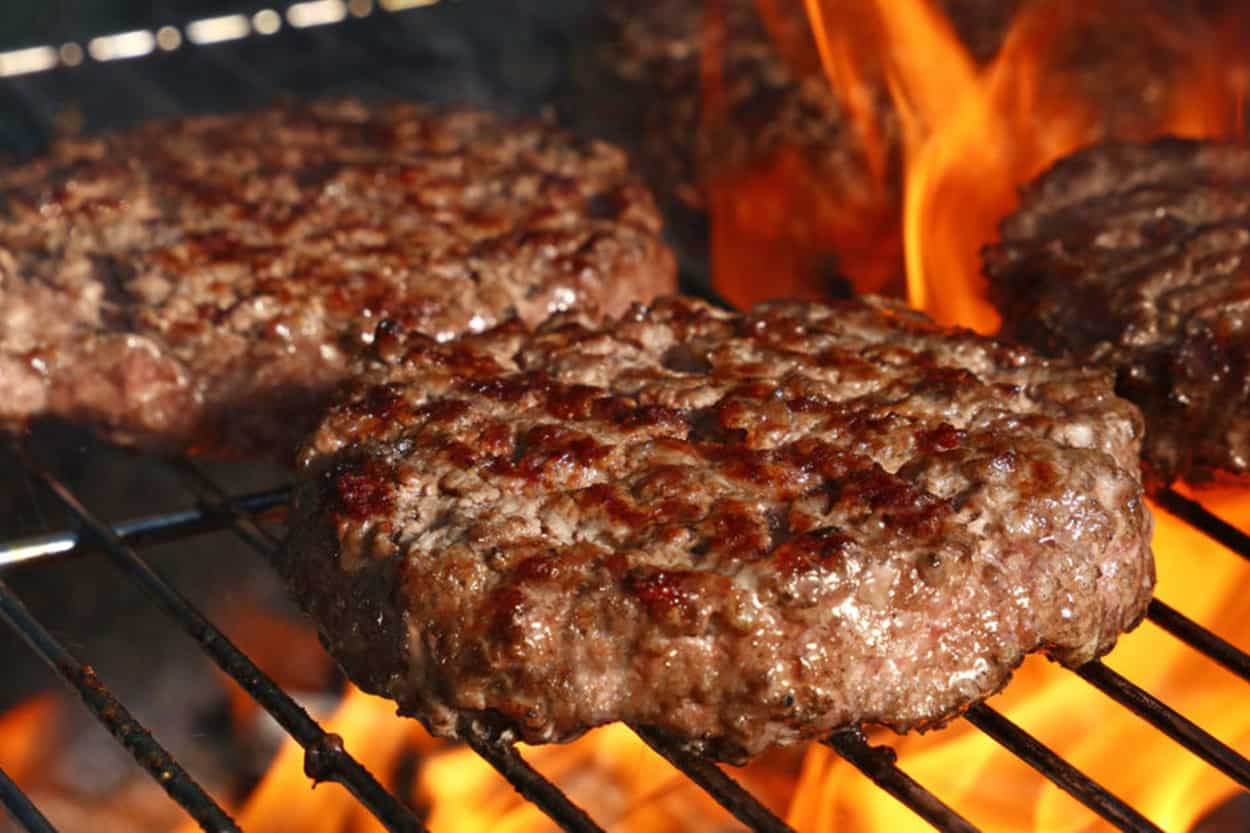
Now you’ve selected your cuts, break them up by hand, spread them out on wax paper, and add salt and pepper to taste. Next, bring it together by hand, balling it up, and tossing it from hand to hand if needed, as if working with clay. Then, form patties about one inch thick. You don’t need to pack it too tightly – the grilling process will give it its structural integrity. Press your fingers down at the centers of the patties, so that the centers are thinner than the edges. The centers tend to enlarge during cooking, so this way, your patties will end up in good shape at the end of the process. This “dimple” in the middle can be fairly wide in diameter.Hamburger Safety
If you’re a self-taught chef and you don’t have years of experience cooking hamburgers, we suggest starting by cooking your burgers until they are well done at 160 degrees Fahrenheit. This is the easiest way to make sure you’ve killed all the bacteria. You can use a meat thermometer for grilling, to make sure your burgers are well cooked before eating them yourself or serving them to your guests. Wash your hands thoroughly for at least 20 seconds before and after handling raw meat. Do not place raw meat on the same surfaces you intend to use to serve cooked meat. Clean your cutting board every time you use it, clean your grill on a regular basis, and store any leftover raw meat at the bottom of your refrigerator, so it won’t drip onto other foods.What’s a Good Temperature for Hamburgers
To reiterate, if you’re just starting out on your burger-grilling adventures, we recommend cooking your burgers until they are well done, for safety reasons. When you have some experience, you can use your meat thermometer and experiment with different burger temperatures using the chart below.- Well done: 160 degrees Fahrenheit
- Medium well: 150 degrees Fahrenheit
- Medium: 145 degrees Fahrenheit
- Medium rare: 135 degrees Fahrenheit
- Rare: 125 degrees Fahrenheit
Can Cooked Hamburgers Be Pink Inside?
It’s important to not overcook your meat, as that will dry it out and take away some of its flavor. A hamburger that is cooked to medium, or even medium well, will still appear a bit pink near the center. But you can’t tell how well done a burger is simply by looking at it. That’s why it’s important to have an accurate meat thermometer for grilling.The Perfect Hamburger Recipe
Ingredients- Hamburger meat
- Buns
- Cheese
- Condiments such as ketchup, mustard, mayonnaise, avocado, mushrooms, etc
- Prepare your meat as instructed above.
- Place on a grill heated to about 375-400 degrees Fahrenheit.
- Cook your burgers to the desired temperature (this usually takes between 7-10 minutes for “medium well” or “well done” burgers).
- Flip the patties frequently, but don’t press them into the grill, as they may dry out this way.
- Add cheese about one minute before taking the meat off the grill.
- Toast your buns away from the center of the grill, if desired.
- Let the meat “rest” for a minute or two before serving.
- Add condiments such as avocado or mushrooms, add to buns, and serve.
Click Here To Get Your ChefsTemp Finaltouch X10 Now!
RELATED POSTS
CHEF IQ Alternative: Is ChefsTemp the Best Thermometer for Smoker Cooking?
The chef iq thermometer has earned a solid reputation in modern kitchens. For indoor roasting, air frying, or ...
Best Meater Pro Alternatives in 2026: Finding the Best Wireless Meat Thermometer for Smoker
Meater Pro revolutionized wire-free cooking, but heavy-duty steel offsets and thick ceramic kamados create phy...
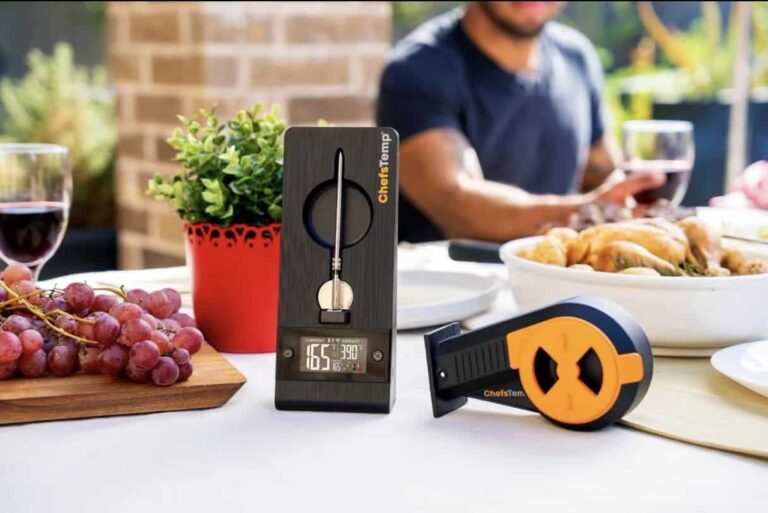
Finding the Best Smart Wireless Meat Thermometer: The Ultimate ThermoWorks RFX Alternative
It takes time, money and accuracy to prepare a top-notch brisket for a weekend BBQ party. However, that enthus...
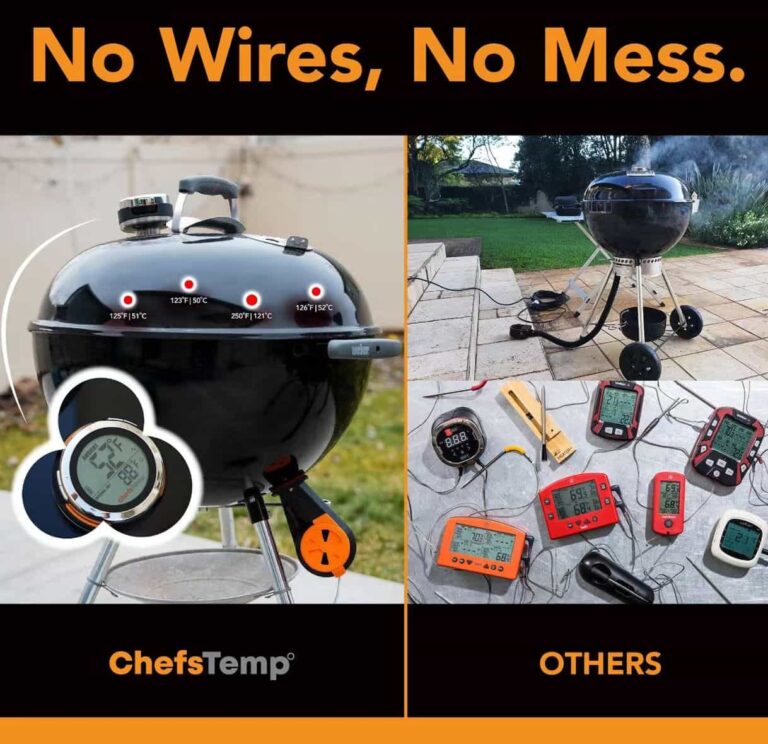
Beyond PitmasterIQ: Transforming Weber Grill Temperature Control with an All-in-One Monitoring Hub
Brisket purveyors have a reputation for waking up in the middle of the night to check the temperature of smoki...

The Ultimate Smart Grilling Hub: A Modern Alternative to BBQ Guru for 2026
I still recall the stress from my first overnight brisket. It wasn't the charcoal that kept me up. It was the ...
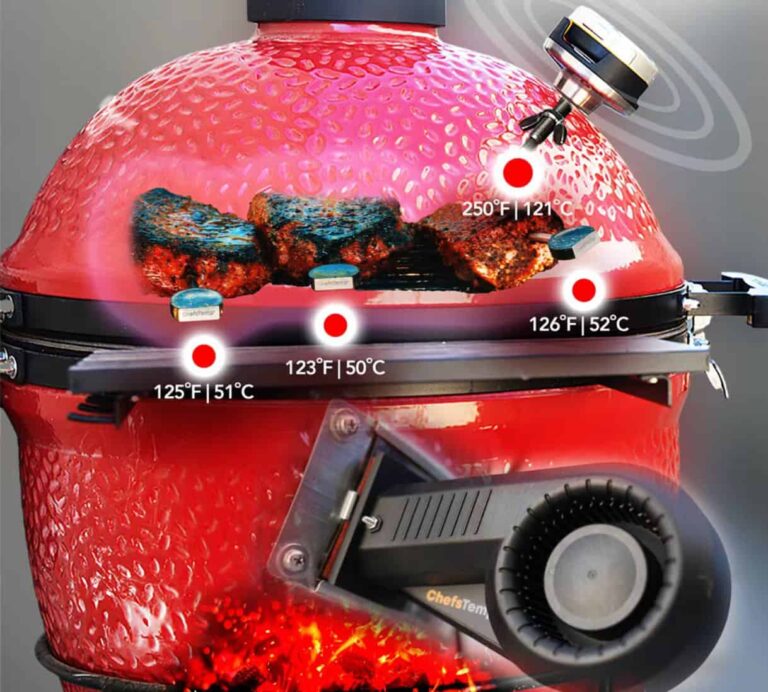
Master Your Kamado Joe Temperature Control: The Ultimate SMOBOT Alternative
A well-insulated grill with high-end ceramic insulation is great. But let's face it: monitoring grill vents fo...
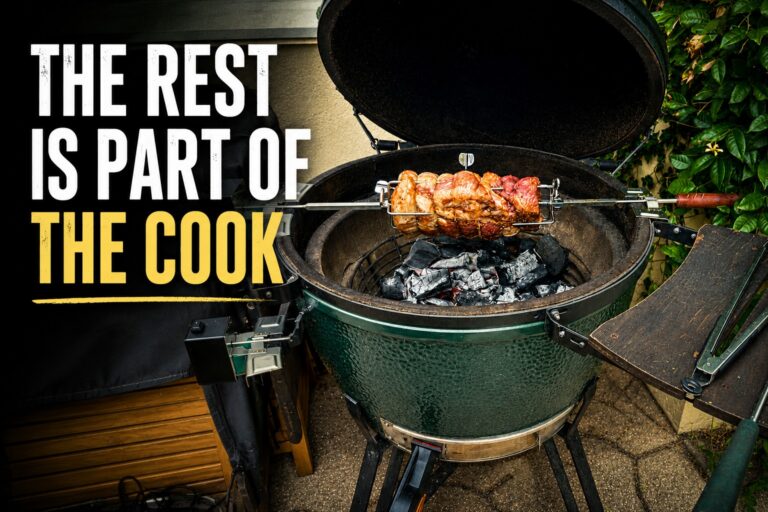
The Rest Is Part of the Cook
"Using time, temperature, and even your grill to protect the final result."
Most of us spend a lot of time th...
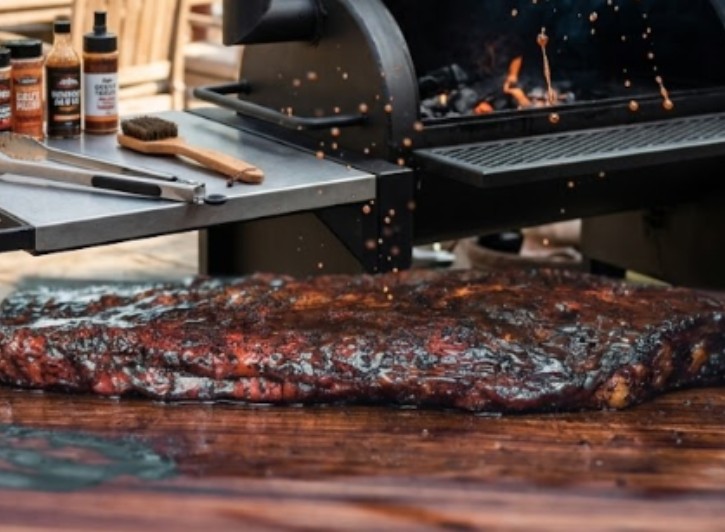
Pitmaster IQ Alternatives: Best Smart Wireless BBQ Controls Guide
Compare the top Pitmaster IQ alternatives. Learn about smart wireless smoker controllers that control airflow and heat for perfect meals year-round.
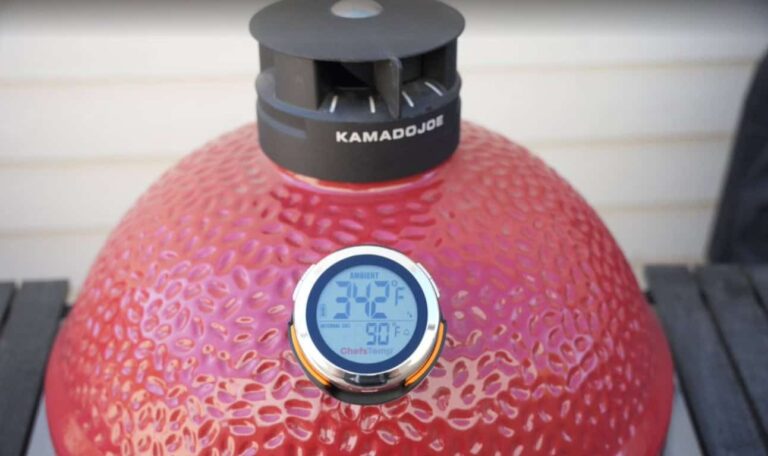
Kamado Grill Accessories: The Ultimate Guide to Building a Smart Ecosystem
Heavy-duty ceramic grills deliver amazing flavor, but that thick-walled grill is a challenge to master. If you...
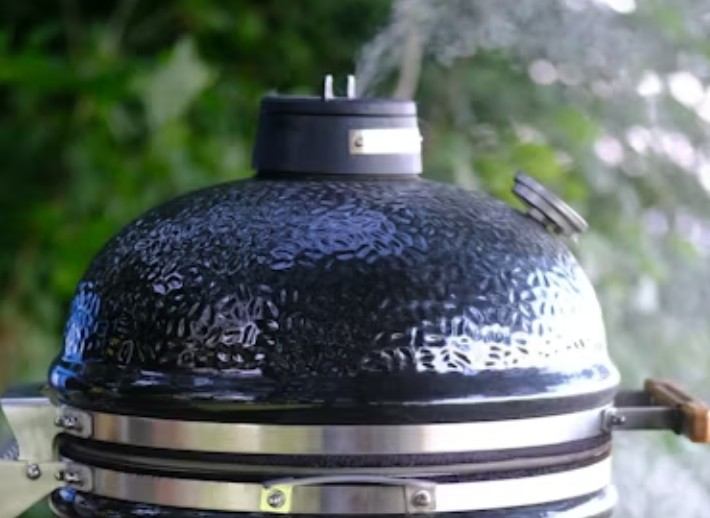
SMOBOT Review: Is It Still The Best Kamado WiFi Grill Controller?
SMOBOT automatically controls your Kamado vent, but jammed gears and weak WiFi can cost entire cooks. Here is what to know before you buy.
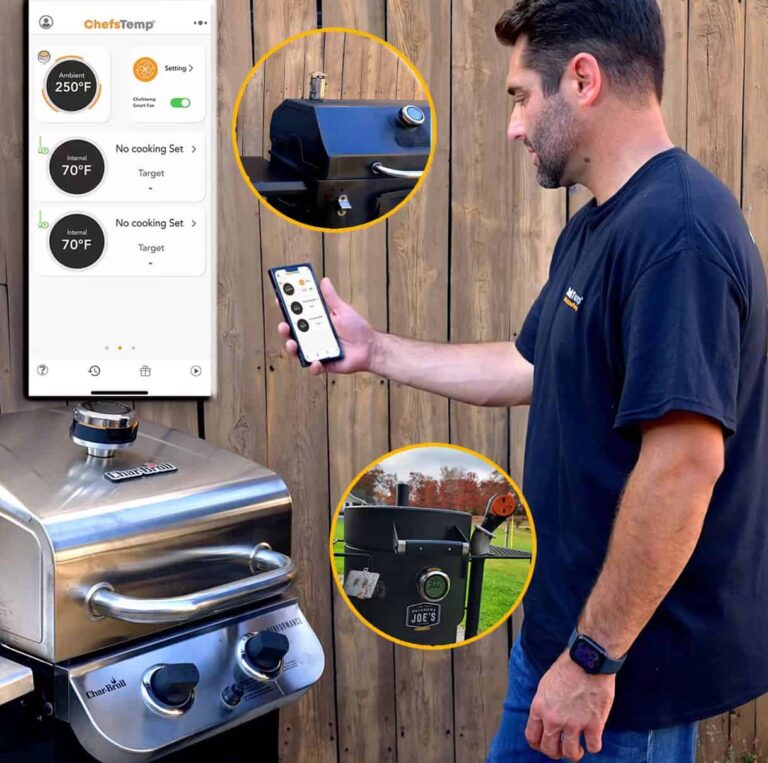
Accessories for BBQ Grill: Brand-Agnostic Compatibility & Tech Integration
Let’s be honest: when you look for accessories for bbq grill, another silicone brush won’t fix a ruined briske...
The Best WiFi Meat Thermometer for Smoker: ProTemp Plus (True Wireless) vs. Signals (Wired)
Smoking a brisket requires a full day of commitment. It's not just a “set it and forget it” kind of deal. We'v...