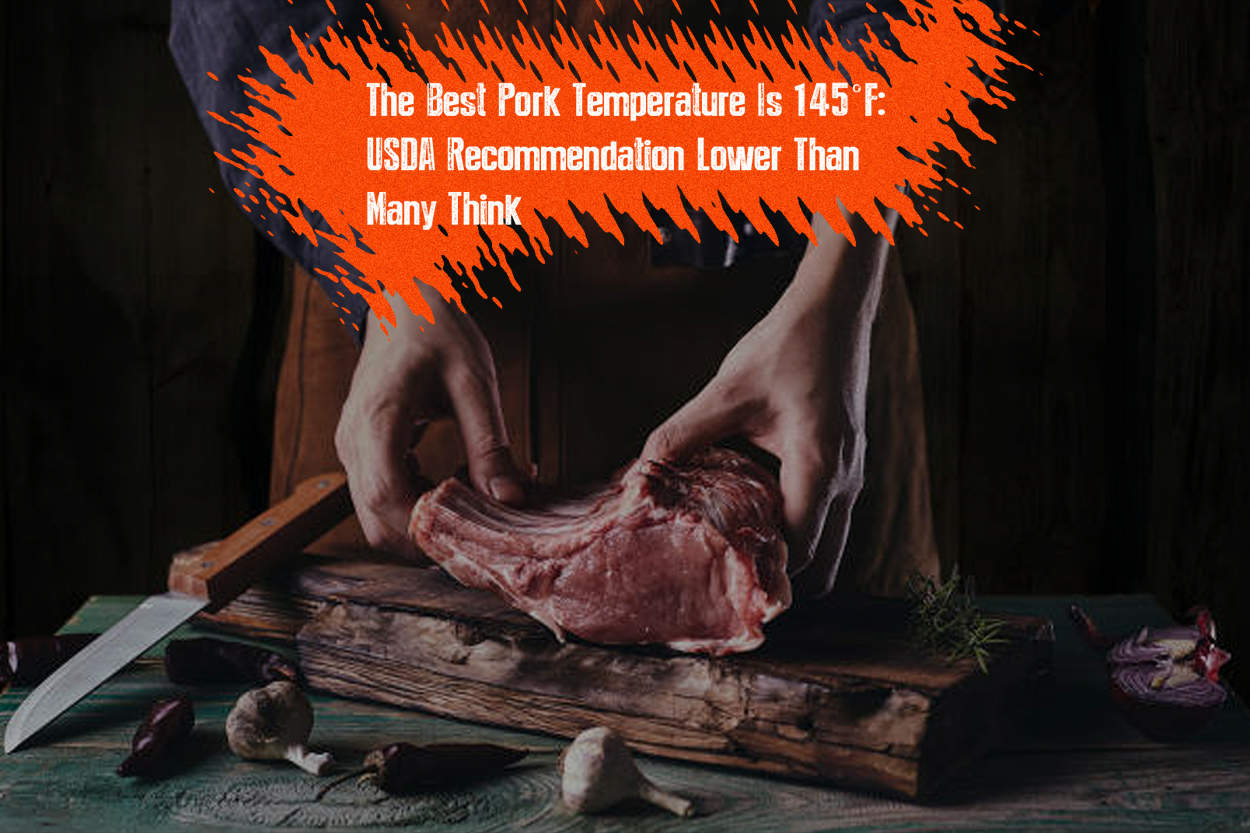
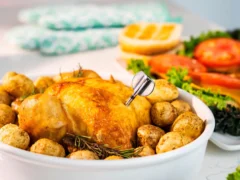
Hogs and pigs are consumed by a large number of foodies in western states. Pork offers lots of nutrients including proteins, vitamin B, and many other minerals such as Calcium, potassium, and iron. It contains smaller quantities of elements like sodium, chlorine, magnesium, and phosphorus.
Besides, many people are worried to know that pig meat may cause deadly diseases due to roundworm that leads to Trichinosis. But all this depends upon the quality and temperatures at which it is cooked. Often due to the risk of undercooking, chefs at home overcook it to ensure no one will contract the illness eventually. Despite being delicious and wholesome, some measures must be taken to evade health hazards.
The USDA has also designed a standard temperature list after conducting research in this regard. We’ll discuss it as we proceed.
The Introduction to The Latest Pork Temp
Eating healthy is one of the most effective ways to lead a healthy life. Before the issuance of the standard pork cooking temperature list, most of the home chefs used to cook at temps of their particular understanding. Along with the latest technological advancements, the farming methods have evolved rather improved suggesting some alterations in the inner meat temps while cooking.
However, the dangers of getting fatal illnesses via eating savory pork have been minimized by cooking it at a high temperature. The acceptable cooking temperature for pork was said to be 160°F or 71°C almost 10 years back. Innovations in hog herding, on the other hand, have demanded a modification in temperature regulations.
https://www.chefstemp.com/wp-content/uploads/2022/03/The-Introduction-to-The-Latest-Pork-Temp-300×200.jpg
Comparison Between Pork and Other Meats
Cooking Whole Cuts of Meats Other than Pork: The safe temperature for beef, veal, and lamb cuts remains at 145 degrees Fahrenheit, but the USDA has introduced a three-minute rest time to its cooking guidelines.
Cooking Pork as Whole Cuts: Over time, the pork roasting or grilling temperatures have changed slightly with the emerging latest tech-influenced modes of growing them. The US Food and Drug Administration has reduced it from 160°F (71°C) to 145°F (62°C) ensuring that all the wholesome nutrients will not be lost. Moreover, this will prevent the meat from losing its moisture and greasy texture that enhances the flavor. Resting the meat is also important to let the juices spread all over the portions.
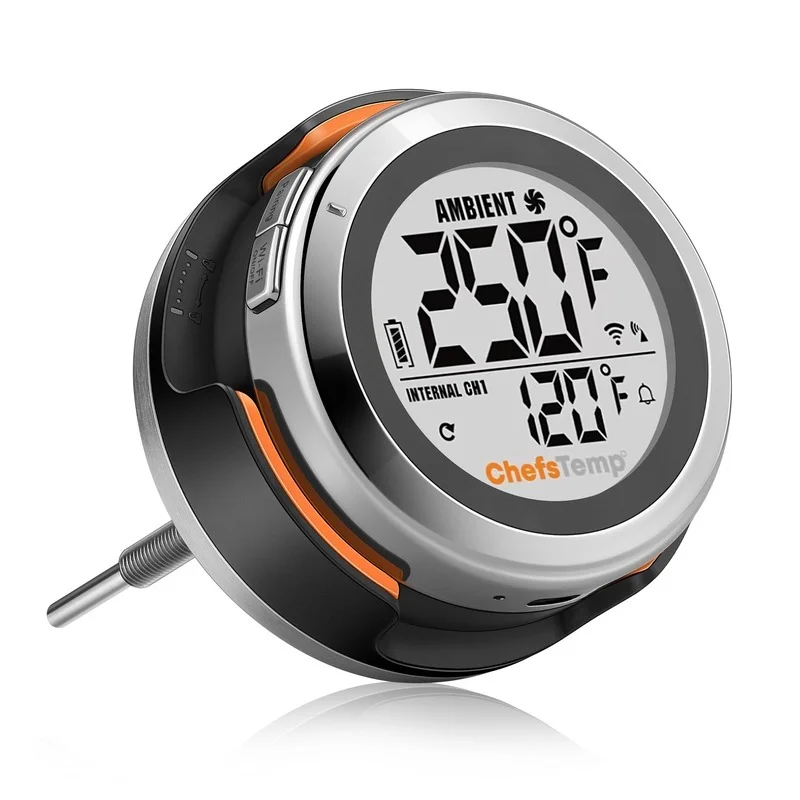
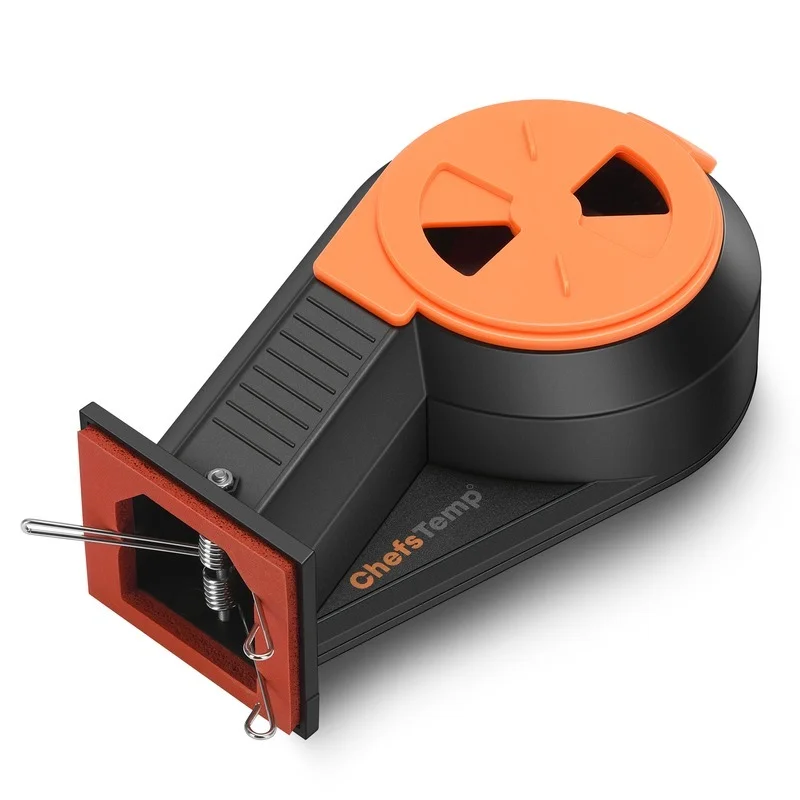
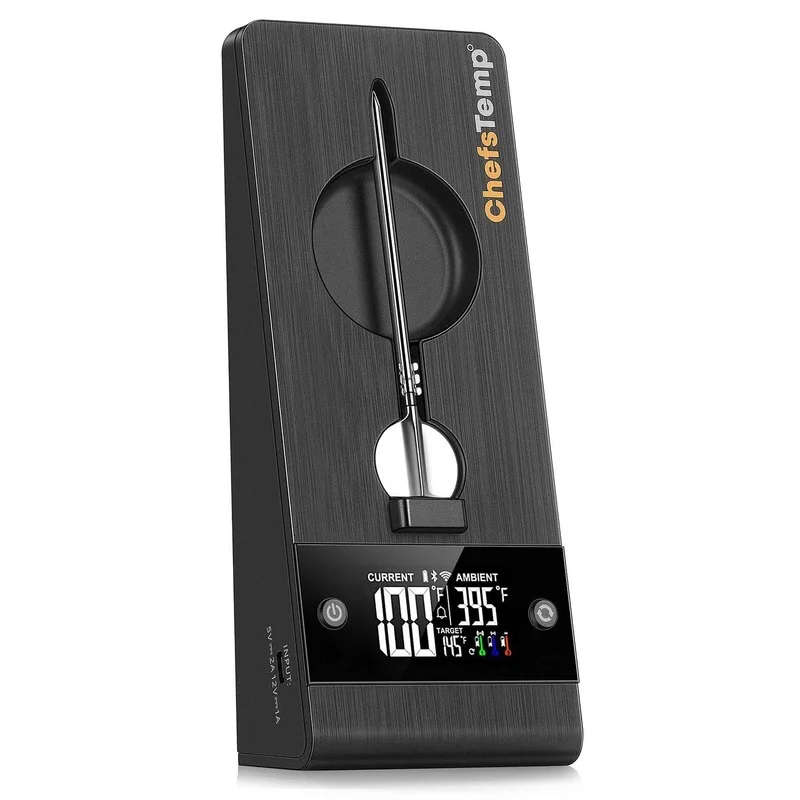
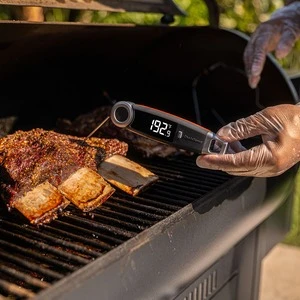
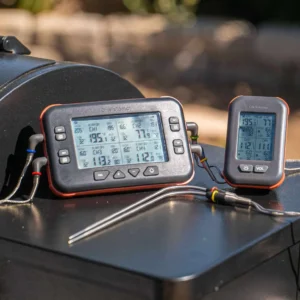
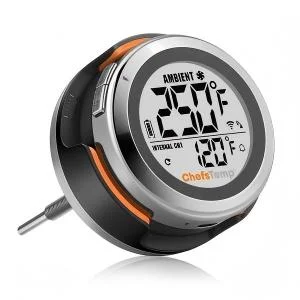
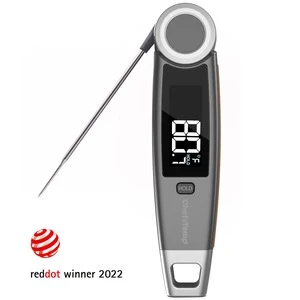
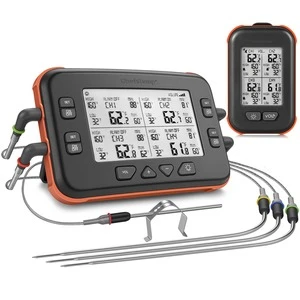
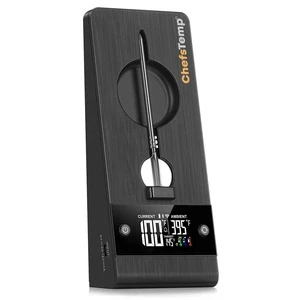
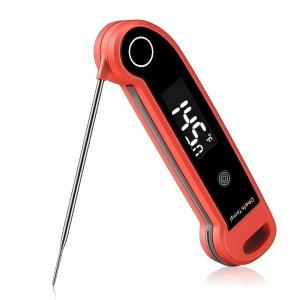
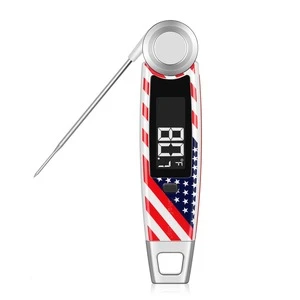
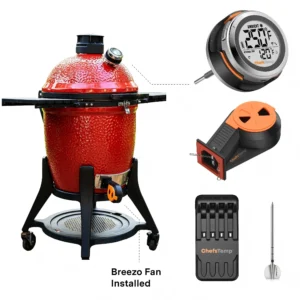
Experts suggest using food thermometers to constantly check the inner heat to make sure that you are going to serve a well-cooked meal.
Types of Pork Cuts and Required Temperatures
https://www.chefstemp.com/wp-content/uploads/2022/03/Types-of-Pork-Cuts-and-Required-Temperatures.jpg
A pig or hog is divided into several cuts when it comes to meat distribution such as tenderloin, ham, shoulder, and sides. These cuts are further divided into many different undercuts. Each of them requires variant times and temps to get cooked up to the mark. Let’s find out the various cuts and their particular temps to have a more clear understanding to become a master pork chef.
Chops
You can cook the chops by preheating the grill to moderate and cooking 12 oz. chops almost 5 minutes every side in the oven. Heat 1-inch chops (steak thickness) for 6 to 7 minutes on each side.
The chops that are 2 inches need to be cooked for 12 to 15 minutes per side on low heat.
Don’t overlook 5- to 8 minutes of rest.
Tenderloin
Take the half or ¾ inches of pork cuts and cook for only 5 to 8 minutes on each side to ensure it’s well done.
Pork Butts
For butts, the recommended internal temperature is 180°F (82°C) and the cooking time is around 90 minutes 0.5kg of meat. Allow it to rest for 10 minutes patiently before serving. As the temperature rises, the fluids disperse throughout the roast making it flavorful and irresistible.
Roast
Preheat the oven to 145°F(62℃) or a maximum of 150°F (65℃)then place the large cut on the grill to medium heat and cook.
Breakthroughs in Farmed Animal Growing & Recommended Changes in Temperature
As per the USDA pigs or hogs that are grain-fed are much healthier and safer to eat instead of those who grow up eating mud and other waste products. It’s also much satisfying news for those who have almost quit eating pork due to health concerns. Besides, the given temperatures are promising to maintain savor and nutrients.
Important charts elaborating recommended temperatures:
|
Doneness Level
|
Temperatures
|
|
Rare
|
145°F (62°C)
|
|
Medium
|
155°F (68°C)
|
|
Medium Well
|
160°F (71°C)
|
|
Well
|
Above the given temps
|
Most suitable temperatures according to each pork cut type:
|
Cut Type
|
Thermostat
|
|
Ribs
Pork Shoulder
Cutlets
|
180° F (82° C)
|
|
Precooked Ham
|
140° F (60° C)
|
|
Ground Pork
|
160° F (71° C)
|
|
Pork Loin
Pork Tenderloin
Pork Chop
|
145° F (62° C) – 160° F (71° C)
|
What Is the Best Way to Use a Food Thermometer?
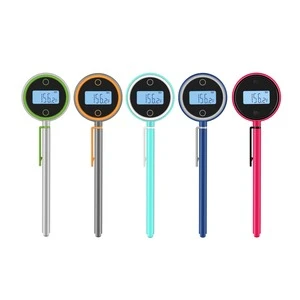
In the market, there are two kinds of temp measuring devices available, the analog one and the digital one. Without any second thought go for the digital device and recommend the same to others to get the exact inner heat noted.
Additionally, don’t just touch the thermostat to the superficial skin of the meat because it will not give the precise
temperature. In the thickest portion of the meal, place the food thermometer. It must not come into contact with bone, or the fat part in any way. Check the temperature near the conclusion of the cooking process, but before you think it’s finished. Before that and after each use, make sure to wash your meat thermometer with soap and hot water.
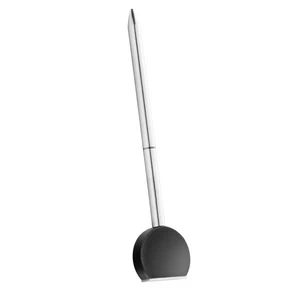
Ensure that the probes of the thermometers must be sharp enough to slide deep into the large whole cuts when required without letting you push into harder.
Final Remarks
Pork has a bad image for being a lump of greasy meat, but it’s rather mild and maybe a varied and healthful supper option. Pork in the form of tenderloin, ribs on the grilling, and roasted tenders are just a few of our choices! Pork can become rough and dry if overdone. To check for doneness when cooking, use a food thermometer. Most pork cuts should be prepared to a core temperature of 150°F or below, or until the interior of the flesh turns faintly pink.