Any business that handles, prepares, and cooks food must follow proper guidelines to ensure food safety. Food temperature control is a vital aspect of that process. It is crucial that, when dealing with potentially hazardous foods or those that should be cooked to a specific temperature, humans consume them safely. Otherwise, they could cause foodborne illness by promoting the growth and spread of pathogenic organisms in food products, such as meat and poultry.
This guide discusses the range of food temperature accuracy to help you during the cooking process and ensure food safety. Aside from taste and quality, safety should be the main priority during food preparation.
Why Do You Need a Thermometer?
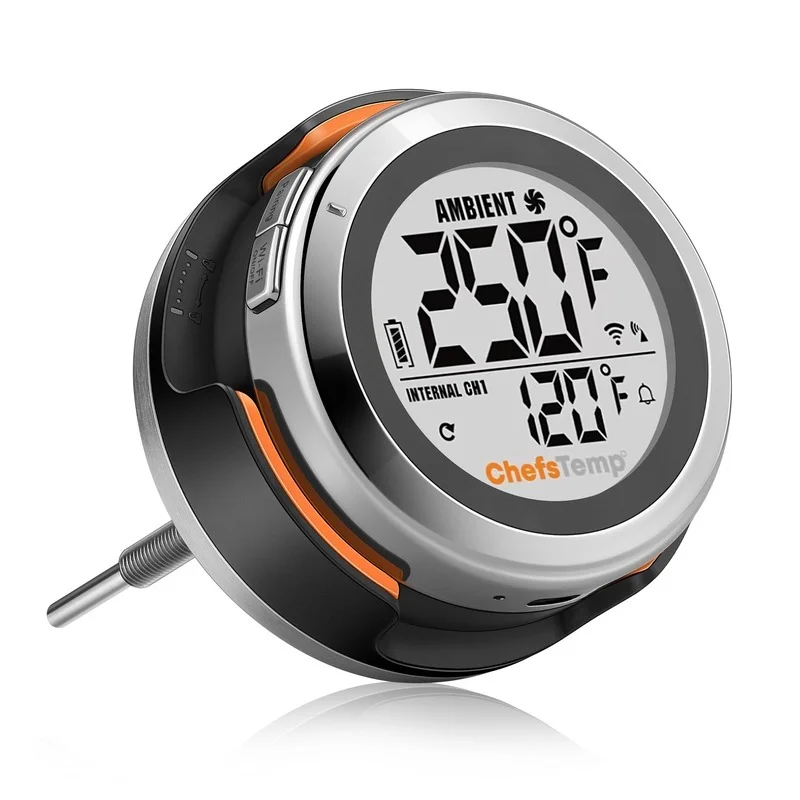
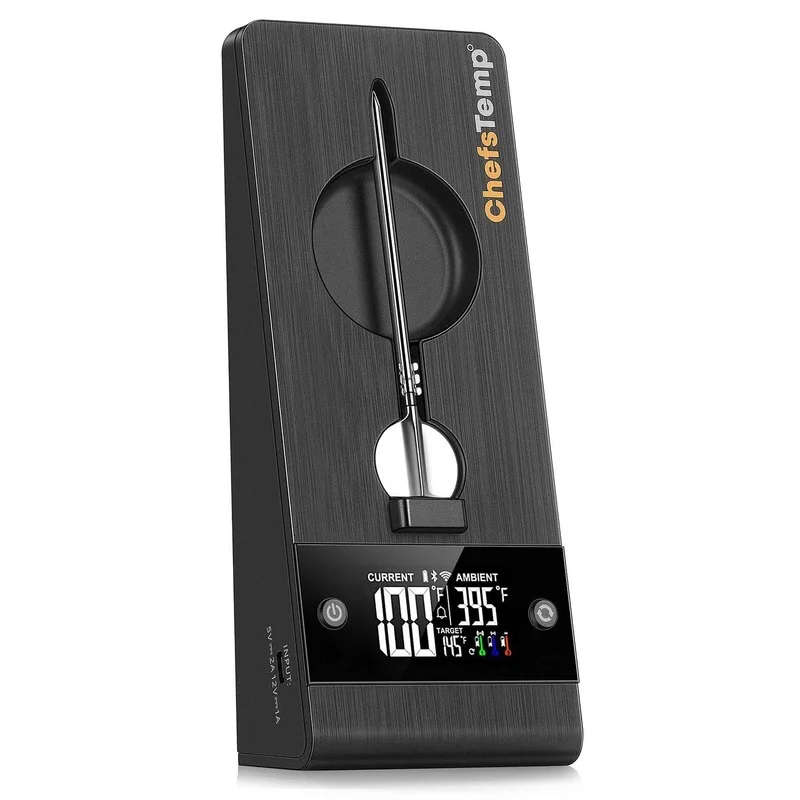
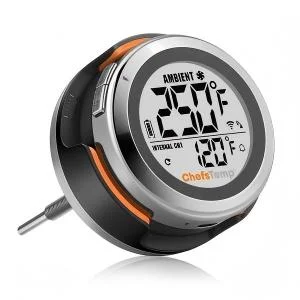
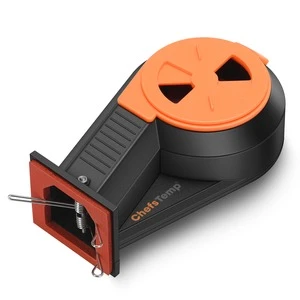
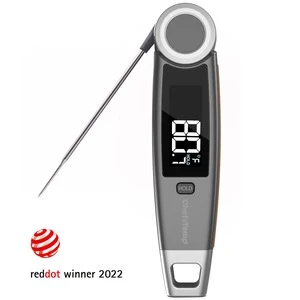
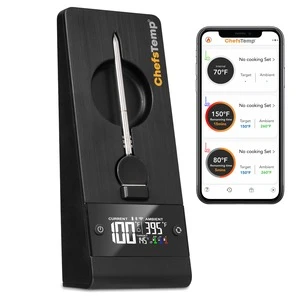
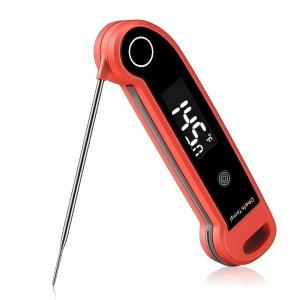
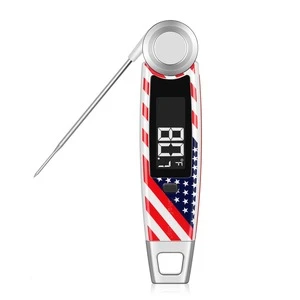
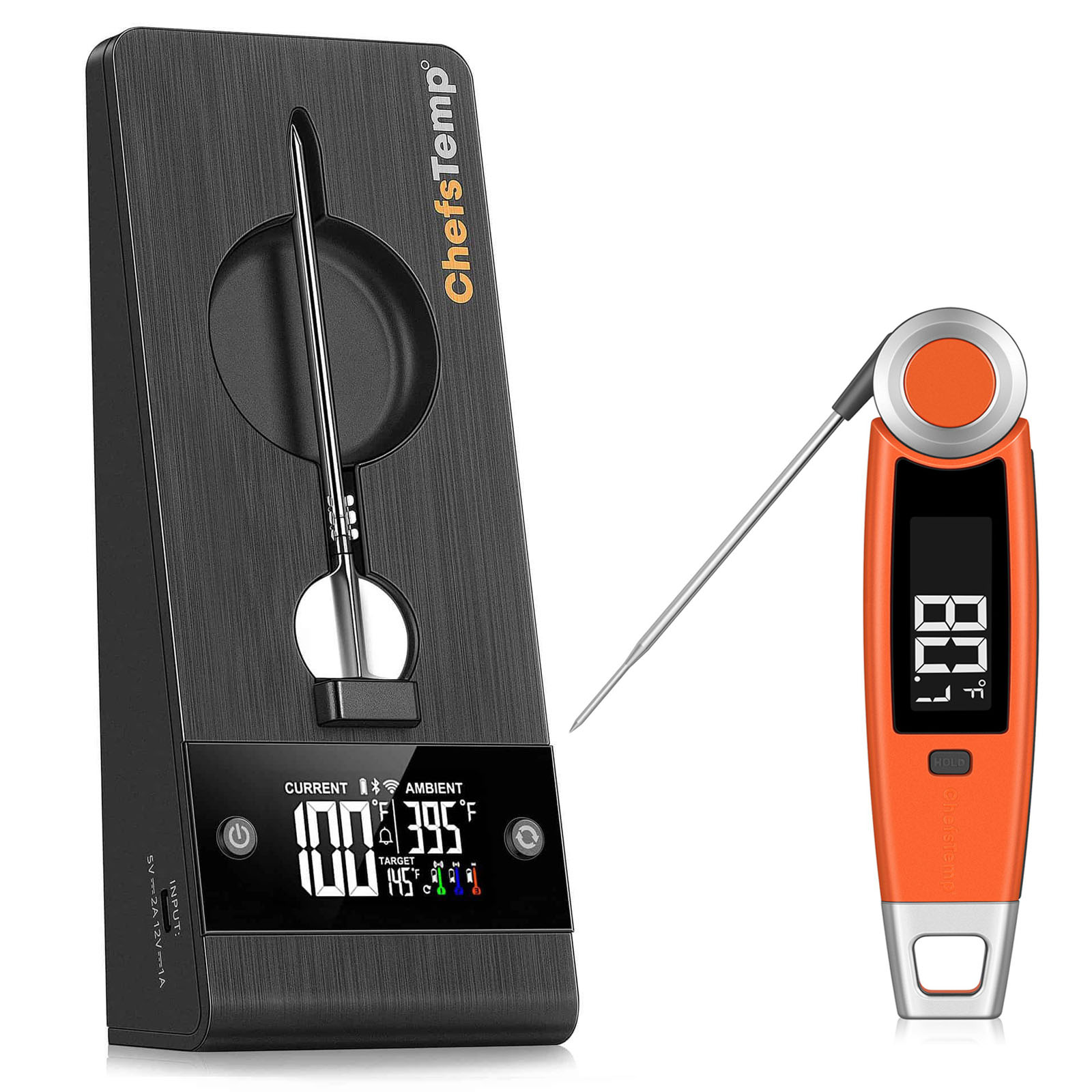
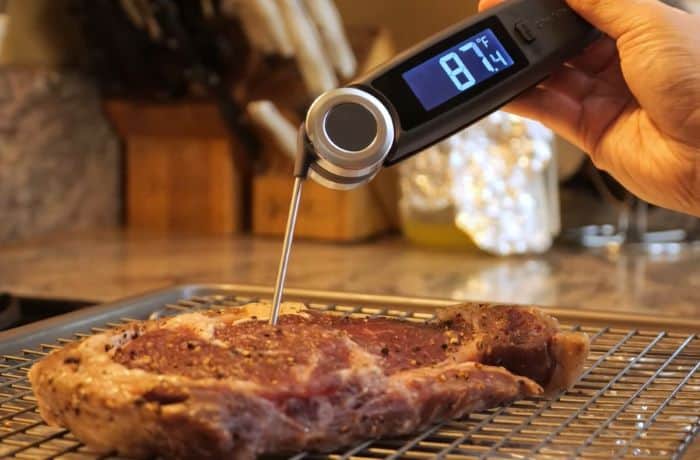
A food thermometer is an essential kitchen tool. Anyone responsible for handling, preparing, and cooking food must use a thermometer to measure food temperature accurately. Many regulated businesses rely on this device to ensure that food is cooked (especially poultry like chicken) and maintained at that temperature throughout the handling process. All food handlers and cooks are required to use a thermometer for every step of the process. Therefore, large, professional kitchens have several thermometers at each station to ensure food safety.
Is a Thermometer Necessary in the Kitchen?
Yes, a thermometer is a must-have tool in the kitchen, especially when working with potentially hazardous food. Even if you are a degree or two off the required internal temperature when cooking, the quality of the food could be significantly affected. It could also mean that the pathogens present in the meat survive the cooking process, resulting in illness when consumed. For this reason, many regulatory agencies require food businesses and restaurants to use thermometers. These tools enable you to check and evaluate food temperature accurately. Specifically, the goal is to prevent food from entering the ‘temperature danger zone.’ It refers to any food product stored between 40°F (4 °C) and 140°F (60 °C). When food enters this temperature danger zone, even for as little as an hour, the presence of pathogens in that food could spread further. In addition to storing food, there are specific temperature requirements for reheating. The recommendation is to reheat leftover food to 165°F (73°C) to ensure it heats through, making it safe to consume.What is the Range of Accuracy for Measuring Food Temperature?
The ideal accuracy range for measuring food temperature is ±1° for both Celsius and Fahrenheit readings. This accuracy range applies to all temperature-measuring devices, especially when measuring food temperature. For example, if the actual food temperature is 5 degrees C, the temperature reading on your thermometer will be four or six degrees C. A degree of accuracy that is less than or just above one degree is ideal because it promotes food safety. If the accuracy range exceeds 2 degrees, it is too wide a gap and could significantly affect your cooking results. If you want to buy the best thermometers, always make it a habit to check the accuracy range of the food-measuring device. The right tool that delivers accuracy can significantly improve food safety and quality.