While cooking leans more on the side of the arts and self-expression (that’s why it’s called the culinary arts), the process of cooking itself is a form of science. The application of heat, manipulation of temperature, combining ingredients of different types, textures, and tastes, precise calculation of condiments, understanding how different foods and ingredients interact, etc., all require scientific thinking. It is especially apparent in cooking meat, where various types of proteins require different internal temperatures to achieve the desired doneness, taste, texture, and safety. This is where the importance of a meat thermometer comes into the picture – to help you ensure your meat is cooked to perfection every time.
This entry will teach you how to use your meat thermometer to achieve the perfect doneness of your meat, whether it’s beef, pork, poultry, etc., and whether it should be medium-rare, medium-well, well-done, etc.
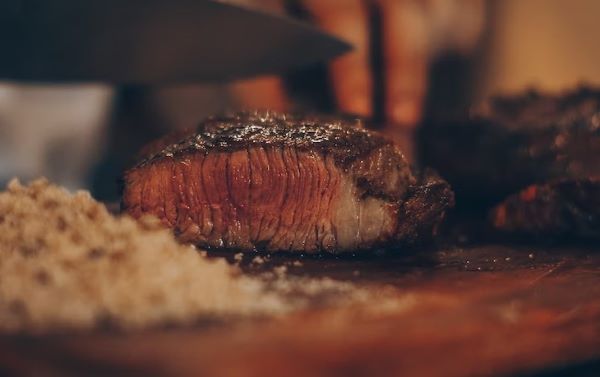 Crank the internal temperature up to 145°F (63°C), and you will have a medium steak. Medium will have a slightly pink center and warm temperature throughout. The meat will be firmer than rare or medium-rare but still juicy and tender, with a more pronounced beef flavor.
Why Use a Meat Thermometer
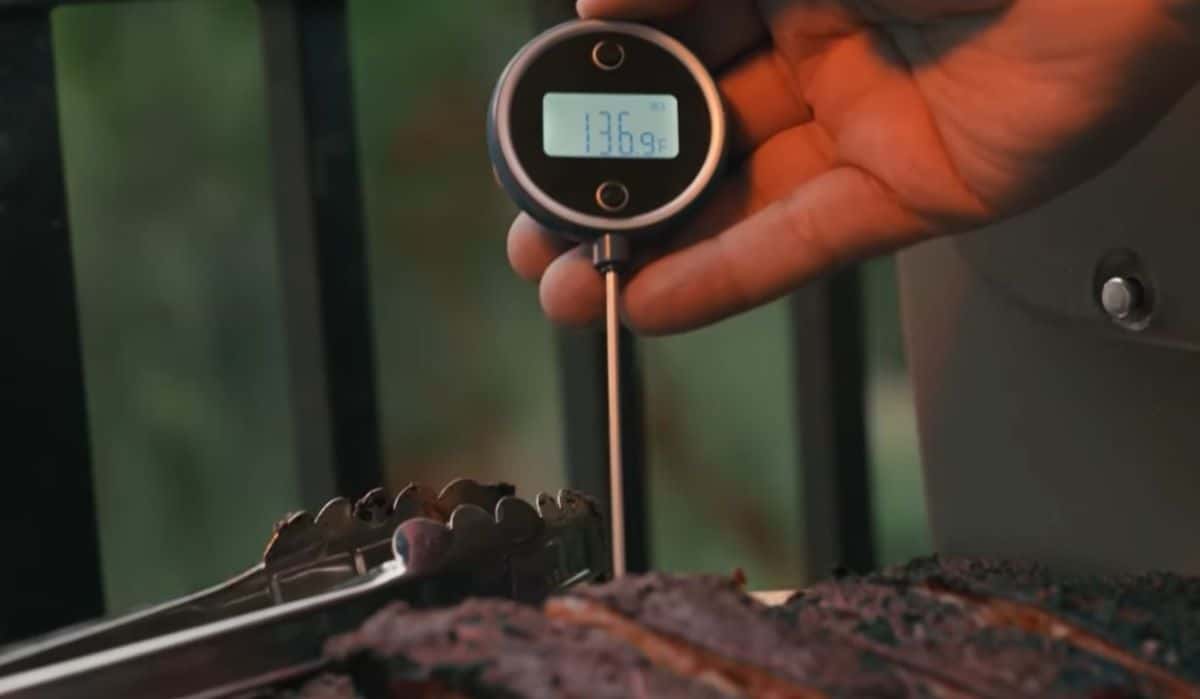
First off, why exactly do you need a meat thermometer, and can you tell the meat is perfectly cooked just by experience? Meat is tricky to cook. As said earlier, different types have different specific internal temperature requirements, and other stages of doneness require different temperatures. Unless you cut into the meat or have the superpower to see through its layers while it’s cooking, it’s hard to tell its doneness without a thermometer. Of course, color can give some clues, but meat color can be affected by a variety of factors, including the type of meat, the animal’s age, and the cooking method. Moreover, the grill, oven, and the altitude of your location can affect the cooking time. This is why even the most experienced chefs in 5-star Michelin restaurants rely on thermometers in their kitchens. That’s how invaluable this tool is in cooking. By simply inserting the thermometer probe into your meat (usually the thickest part), you can be sure you reach the desired internal temperature for your desired level of doneness and that you are cooking it exactly how you want it.
From Rare to Well-Done: Temperature Guide
Whether you prefer your meat a little bit on the rare side with juices oozing out and a little bit cold in the middle, or medium-rare where there is a balance of tenderness, juiciness, and flavor, or a well-done firm steak, you need to know the right temperature to reach each level of doneness. Here are the recommended internal temperatures for rare to well-done meat:Rare
For steak, it should reach an internal temperature of 125°F (52°C). At this stage, the meat is cooked from the outside. The center will be a bit cold, but it will be red and will retain most of its fat, giving you that distinct, tender, and juicy beef flavor.Medium-rare
The Celsius temperature for medium-rare is around 55-60°C (57°C or 135°F to be precise). At this stage, the meat will have a brown crust on the outside, and its center will be warm and pink. The meat is slightly firmer but will hold most of its juice and remain tender. The flavor will be more complex, too.Medium
Crank the internal temperature up to 145°F (63°C), and you will have a medium steak. Medium will have a slightly pink center and warm temperature throughout. The meat will be firmer than rare or medium-rare but still juicy and tender, with a more pronounced beef flavor.
Medium-well
For a medium-well steak, the internal temperature should be 155°F (68°C). At this point, the meat will be slightly pink in the center with mostly grey throughout. The meat will be firmer and less juicy but will still be a little tender. It will also have a less beefy flavor.Well-done steak
A well-done steak reaches an internal temperature of 160°F (71°C). At this point, the meat will be entirely grey and show no signs of pinkness in the center. It will be firm and less juicy than all of those mentioned above; it will also have a slightly less beefy taste and will have a dry texture. Here are quick guidelines for temperature and level of doneness for other types of proteins:Internal temperature cooking guide for pork:
- Medium: 145°F
- Well-done: 160°F
Internal temperature cooking guide for lamb:
- Medium-rare: 130°F
- Medium: 140°F
- Medium-well: 150°F
- Well-done: 155°F
Internal temperature cooking guide for poultry meats (chicken, duck, turkey, etc.):
- White meat: 165°F
- Dark meat: 165°F
- Ground poultry: 165°F
The Takeaway
Experience may tell you to trust in visual cues. But as said earlier, there are lots of factors that can affect the color of the meat, and your eyes can deceive you. While color is a good indicator, it is not always the most accurate. Thus, the best way to cook any meat to perfection is to reach the internal temperature you prefer. Again, cooking is both an art and a science. There are safety rules, but there are also guidelines you can work around, so don’t be afraid to experiment with different cooking methods. There are several ways to cook meat, from searing, roasting, grilling, and sous vide. Various cooking methods can also bring out multiple layers of flavor in the meat; this is what makes the culinary arts so exciting.RELATED POSTS
CHEF IQ Alternative: Is ChefsTemp the Best Thermometer for Smoker Cooking?
The chef iq thermometer has earned a solid reputation in modern kitchens. For indoor roasting, air frying, or ...
Best Meater Pro Alternatives in 2026: Finding the Best Wireless Meat Thermometer for Smoker
Meater Pro revolutionized wire-free cooking, but heavy-duty steel offsets and thick ceramic kamados create phy...
Finding the Best Smart Wireless Meat Thermometer: The Ultimate ThermoWorks RFX Alternative
It takes time, money and accuracy to prepare a top-notch brisket for a weekend BBQ party. However, that enthus...
Beyond PitmasterIQ: Transforming Weber Grill Temperature Control with an All-in-One Monitoring Hub
Brisket purveyors have a reputation for waking up in the middle of the night to check the temperature of smoki...

The Ultimate Smart Grilling Hub: A Modern Alternative to BBQ Guru for 2026
I still recall the stress from my first overnight brisket. It wasn't the charcoal that kept me up. It was the ...
Master Your Kamado Joe Temperature Control: The Ultimate SMOBOT Alternative
A well-insulated grill with high-end ceramic insulation is great. But let's face it: monitoring grill vents fo...
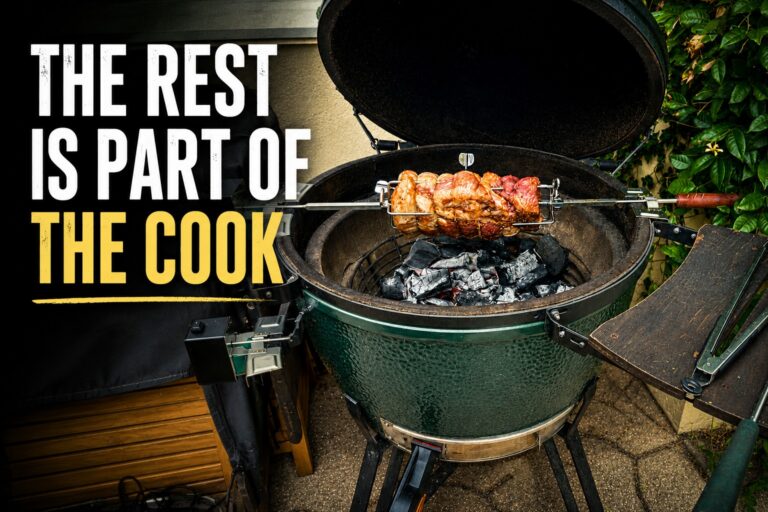
The Rest Is Part of the Cook
"Using time, temperature, and even your grill to protect the final result."
Most of us spend a lot of time th...
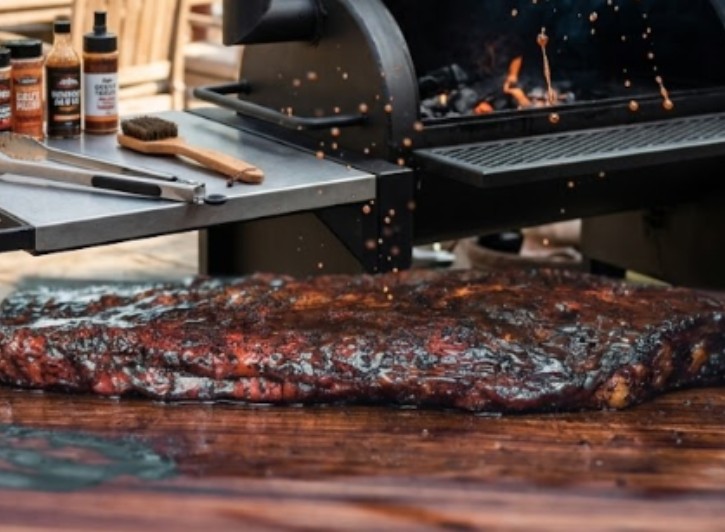
Pitmaster IQ Alternatives: Best Smart Wireless BBQ Controls Guide
Compare the top Pitmaster IQ alternatives. Learn about smart wireless smoker controllers that control airflow and heat for perfect meals year-round.
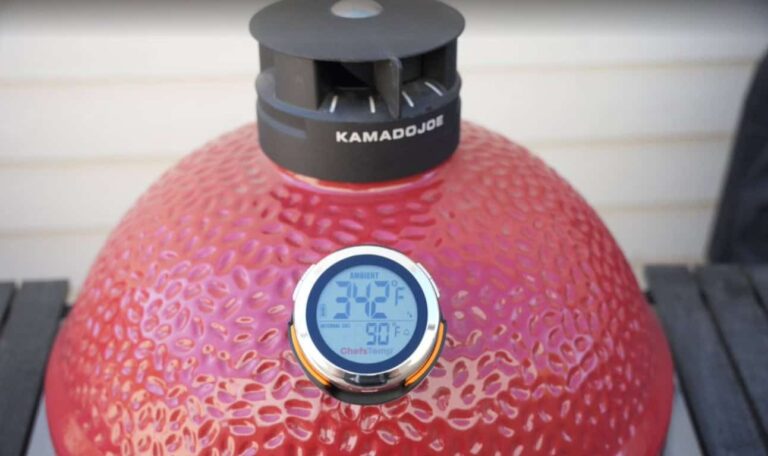
Kamado Grill Accessories: The Ultimate Guide to Building a Smart Ecosystem
Heavy-duty ceramic grills deliver amazing flavor, but that thick-walled grill is a challenge to master. If you...
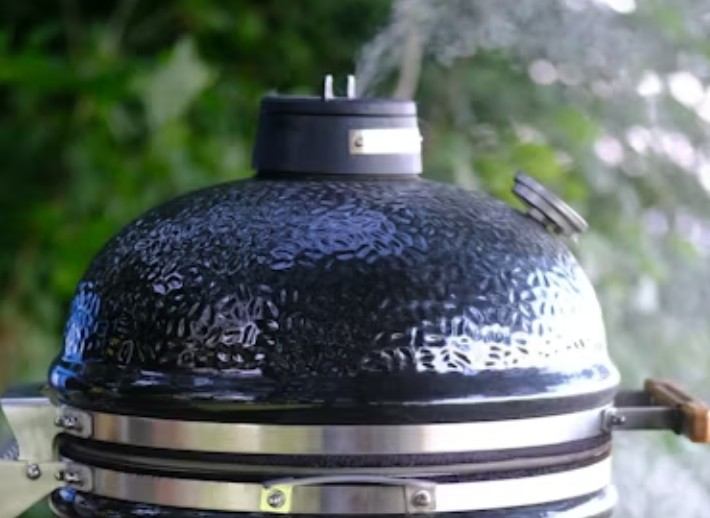
SMOBOT Review: Is It Still The Best Kamado WiFi Grill Controller?
SMOBOT automatically controls your Kamado vent, but jammed gears and weak WiFi can cost entire cooks. Here is what to know before you buy.
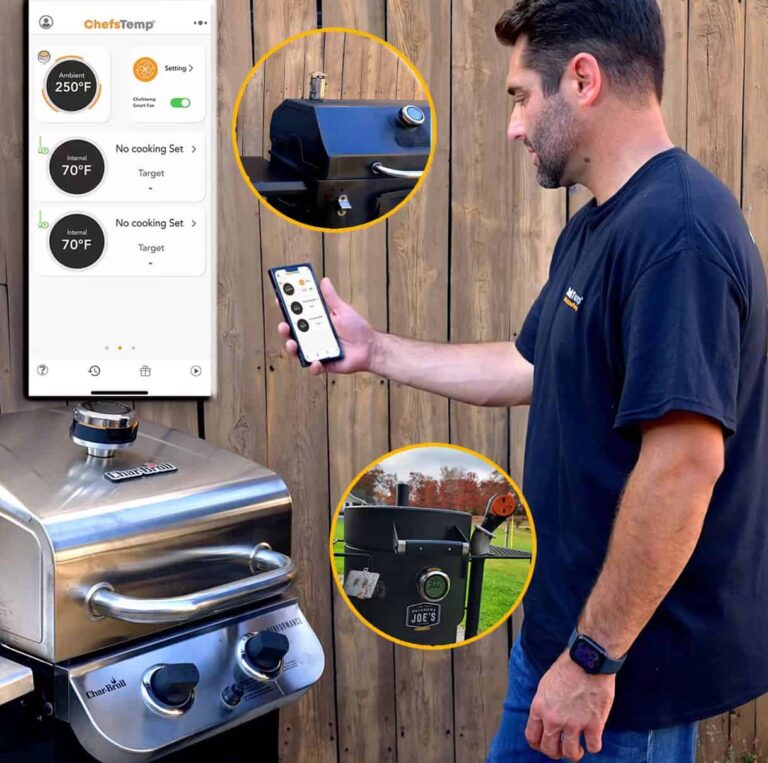
Accessories for BBQ Grill: Brand-Agnostic Compatibility & Tech Integration
Let’s be honest: when you look for accessories for bbq grill, another silicone brush won’t fix a ruined briske...
The Best WiFi Meat Thermometer for Smoker: ProTemp Plus (True Wireless) vs. Signals (Wired)
Smoking a brisket requires a full day of commitment. It's not just a “set it and forget it” kind of deal. We'v...