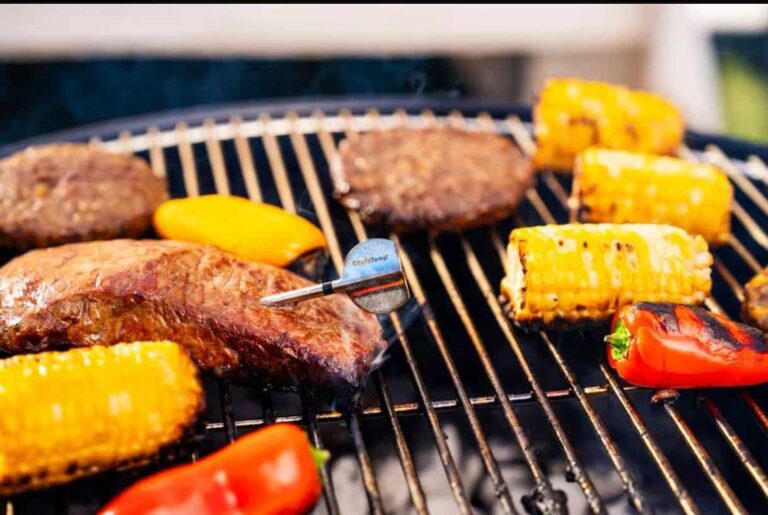
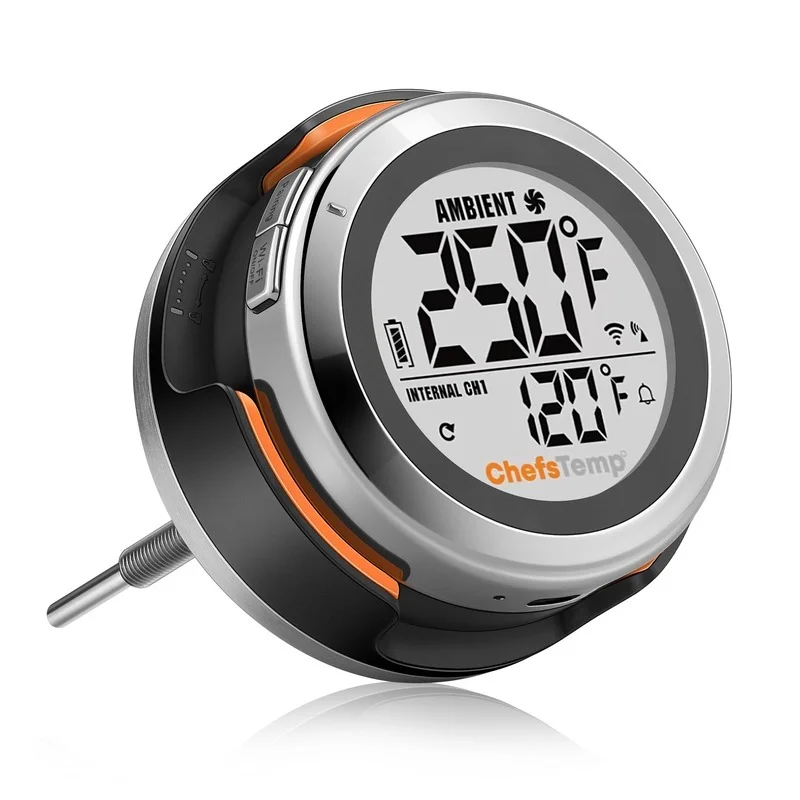
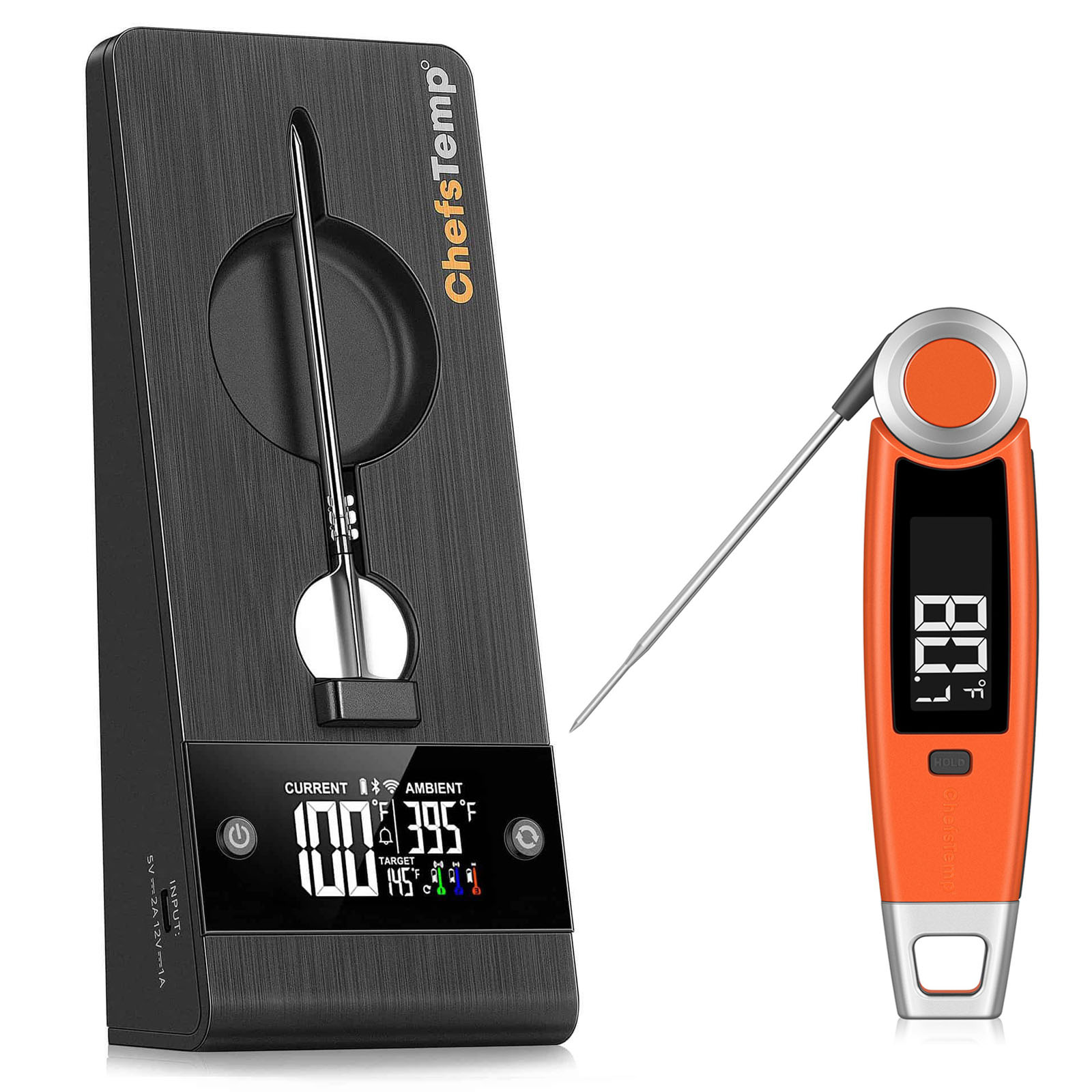
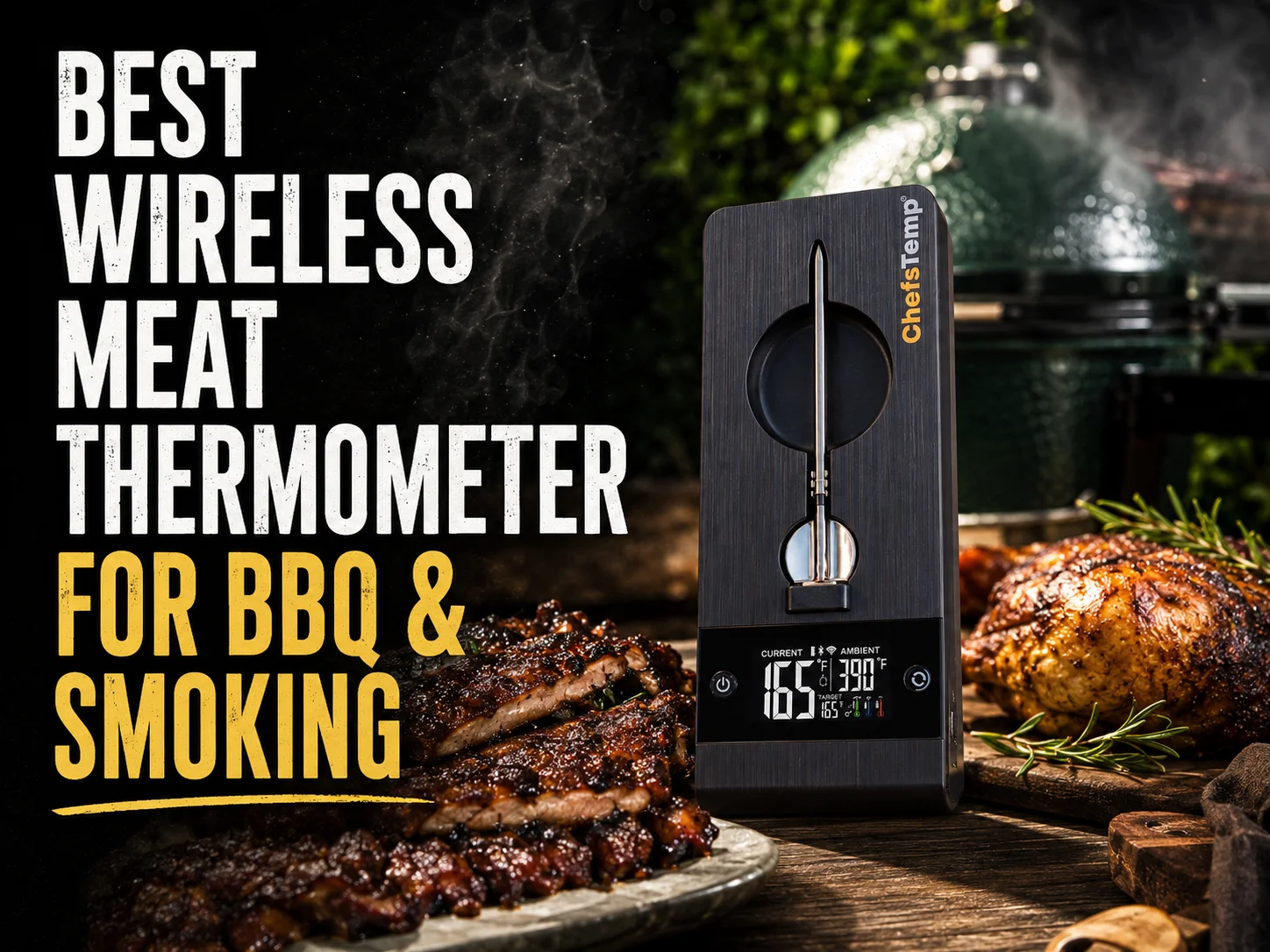
It is the time of year for outdoor cooking, BBQs, getting together and parties. One of the things this time of year to do is bring people together and inevitably you are going to get invited to someone’s celebration or party. How many times have you felt anxiety over an invitation to a backyard barbecue because you were unsure if the food was going to be raw, burnt, or so dry you would need copious amounts of liquid refreshments or sauces to make the food edible? What can you do to ease that anxiety, make the party an enjoyable event, and help your friends cook better food? Get them an instant-read thermometer as a gift to help make their cooking experience and your eating experience one to remember fondly.
Once you have gotten an instant-read thermometer, what is next? These thermometers are incredibly accurate and will help you achieve better results in your cooking. These thermometers are going to give you three tools you need to have great foods and we will discuss these in detail. What they are is the type of temperature readings you will be looking for that you can only achieve with a meat thermometer. They are cooking temperature, pull temperature, and final temperature. Understanding what these are and how to get these temperatures is critical to having perfectly cooked foods and it applies to food cooked on a BBQ grill, in a smoker, or in your kitchen from the oven or stovetop. The method is the same.
https://www.chefstemp.com/wp-content/uploads/2021/07/Chefstemp-Final-touch-X10.jpg
Let us look at the first one, cooking temperature.
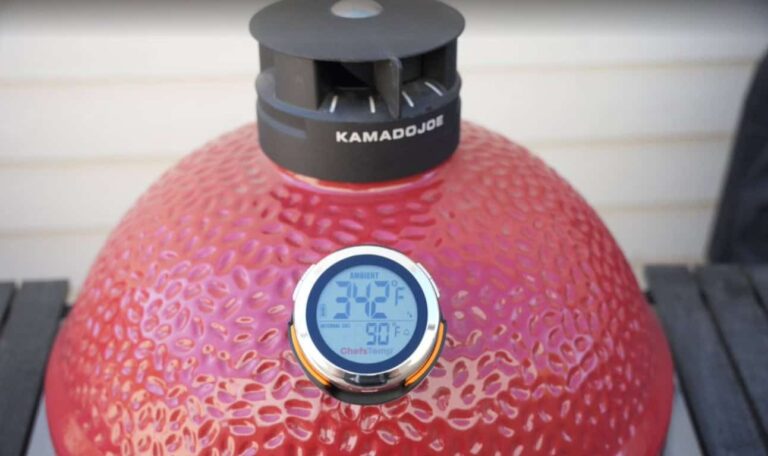
Cooking temperature is the temperature needed to cook the food to the proper state of doneness to bring out the most flavor. Most people have some form of thermometer in their BBQ grills but rarely pay attention to it. It is as important as understanding that oven knobs and stove burner knobs are also marked to help you control the temperature. Learning what those temperatures are is part of the cooking process. You can take temperature readings of hot liquids, cold foods, and hot oils with a thermometer.
The second thing is understanding what pull temperature is, and how to take it.
Taking food temperature to
determine the pull temperature is done by inserting the small end of your instant thermometer, just past the middle of the meat and then pulling it back slightly to get the end of the thermometer probe in the middle of the food. These thermometers take the reading from the last eighth of an inch of the probe therefore they do so well for taking meat and food temperatures. Pull temperature is the temperature that you will pull the meat from the heat source, it is usually five degrees below the final cooking temperature.
During the cooking process the moisture from the center of the item being cooked moves to the outer edge, this is a natural process, and it is how the meat is trying to prevent burning. If you remove the meat at five degrees before you reach your final temperature the food will reach the desired final temperature through a process known as carry-over cooking. Foods continue to cook even after being removed from the heat source and if you rest smaller, thinner meats and steaks for 5 minutes, the juices will return to the center and the meat will get to the desired doneness. For roasts and large pieces of meats, you need to let them rest for 15-20 minutes to allow the carry-over cooking process to complete.
The final temperature is the temperature that you will serve the food you have prepared. It is important to understand the difference between pull temp, carry overcooking, and resting temperature and final temperature to provide your guests with the best foods.
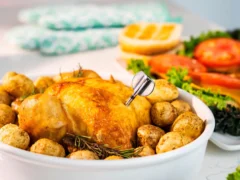
If you are cooking say poultry, and you know already that you must get it to 165 degrees for it to reach safe temperature, you would pull it at 160 degrees and allow it to sit for at least 5 minutes and it will reach the final temperature through carrying overcooking. If you get poultry to 165 degrees, even if the meat still looks pink, it is safe to eat. One thing that is key to cooking poultry, especially with bone-in poultry like whole chickens, turkeys, or breast with skin on and bone-in, the temperature reading must come from next to the bone at the thickest part of the breast pieces, or at the thickest part of the thigh on whole birds. The reason for the different locations is that a whole bird has different temperature zones and if you pull a whole bird when the breast is at 160, the thigh meat will not be done. If you take the temperatures at the thigh and it is at 160, the breast will be at approximately 190-200 degrees this is okay, there is more moisture in the breast and the natural return of juices to the center will ensure you have a moist, tender, juicy bird.
Now that we have a better understanding of how temperature affects the quality of what we are cooking, hopefully your anxieties will be lessened and your friends will also cook better, and you will have also had an opportunity to give them a gift.
Having safe, great-tasting food is the key to a successful get-together, and you can help make the experience great, so get that thermometers, give them to your friends, and let’s all enjoy the best BBQ season ever!!!
https://www.chefstemp.com/wp-content/uploads/2020/04/finaltouchx10-2-e1607718414763.jpg
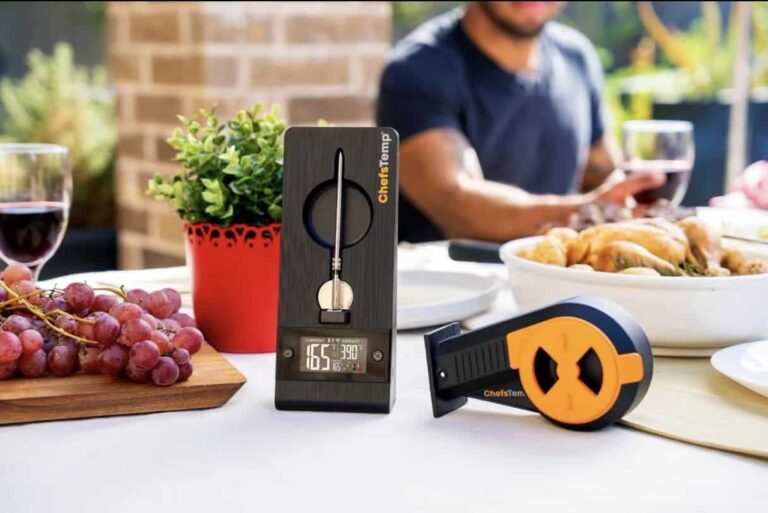
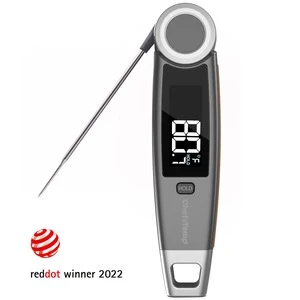
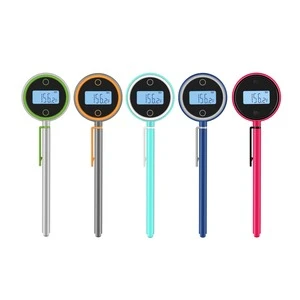
Finaltouch X10
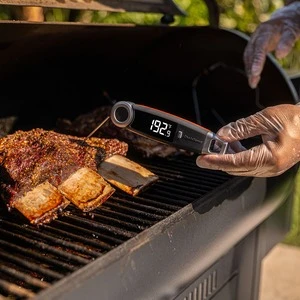
The Finaltouch X10 thermometer from ChefsTemp gives an accurate reading not only for the inside of food but for surface temperatures as well. The diversity of the thermometer’s usage is second to none compared to other thermometers. By getting a reading within 1 second, the Finaltouch X10 from ChefsTemp is prepared to take on any task it is given.