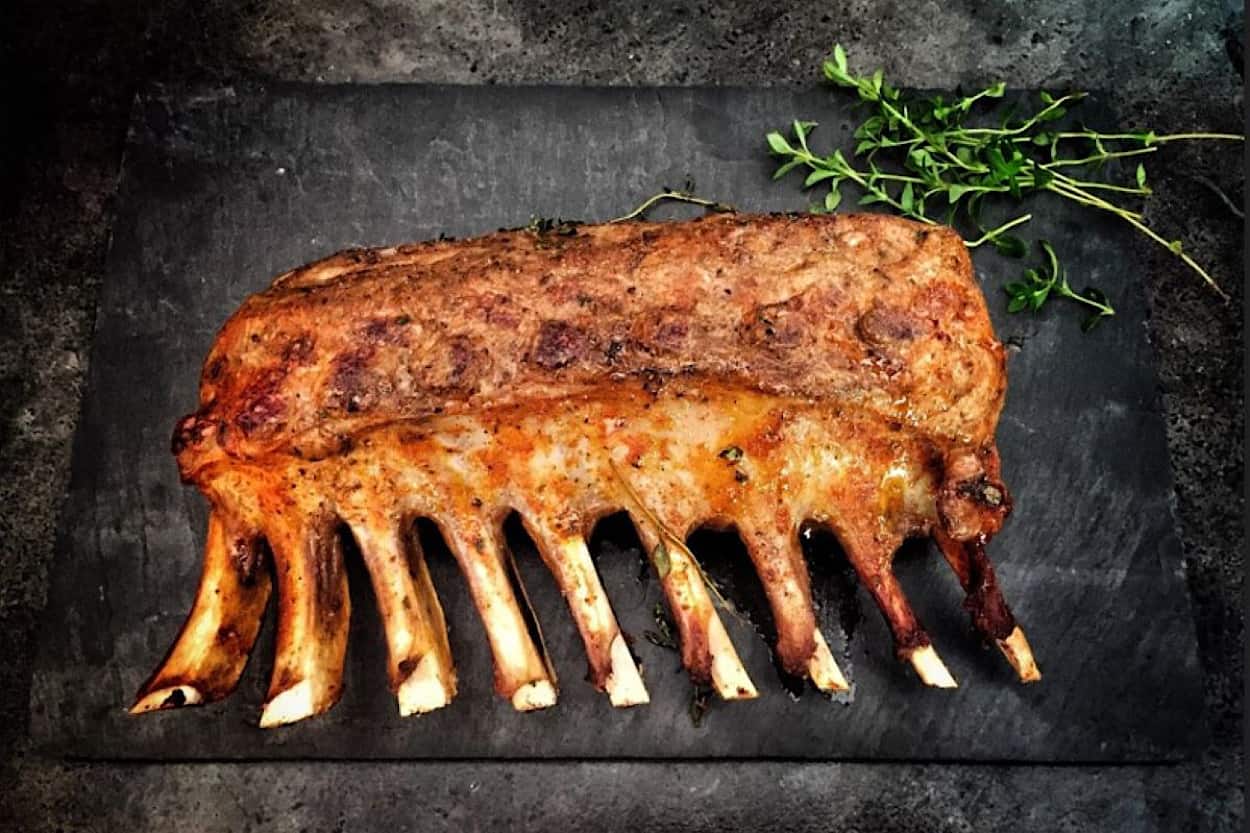
Whether it’s your first time cooking meat or not, you might have heard one common piece of advice: always rest your meat after cooking. This consensus is a long-held belief that many have come to accept as a fact. But is letting meat rest a myth? Does it really make a difference to the quality of meat you can enjoy later? Knowing the truth behind the myth could be the ticket to getting tender, juicy meat.
Why You Should Rest Meat & How Long?
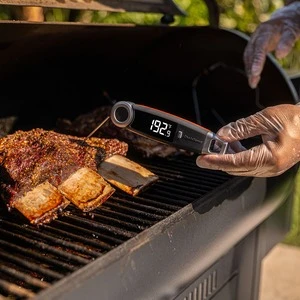
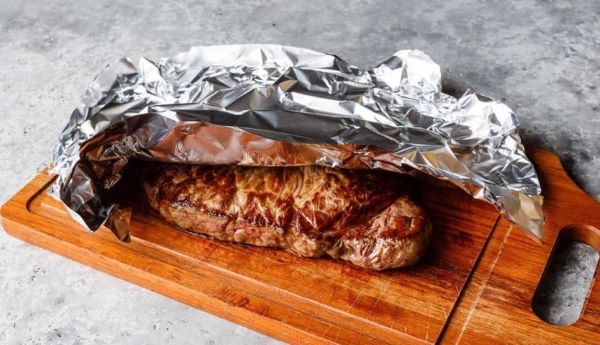
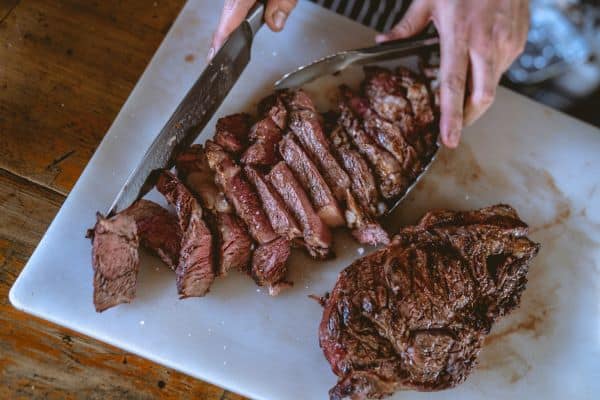
Cooks and chefs from all over the world will tell you the secret to a perfectly cooked steak or meat: letting it rest. Whether it is a steak or a brisket, culinary experts will tell you to let the meat rest before slicing. The general rule is to let the meat rest for at least five to seven minutes. Thicker cuts require a longer resting time of 10 to 20 minutes. But why is it important to rest the meat after cooking before cutting into it? The idea is that while the meat is hot, its juices are more liquid. If you cut straight into the meat after taking it off the grill or out of the oven, all of that juice will flow right out. It is also not a good idea to use a probe thermometer for the meat after you take it from the grill or oven. The probe will do the same thing as cutting it with a knife – let the juices out. Resting is supposed to help the meat juices be reabsorbed and redistributed throughout the meat, making it juicier and more tender. On the other hand, slicing it immediately will release the juices onto the cutting board, leaving you with tougher meat with no juice. The rule on resting meat does not apply to red meat alone. You should also follow the rule with white meat, such as pork or poultry. Avoid covering the meat with aluminum foil, as it will trap heat and keep it cooking. If the heat increases, the beef could overcook.
Is It a Myth to Rest Meat After Cooking?
The above rule about letting meat rest is a well-established practice among culinary professionals. You’ve heard it time and time again, which is probably why most people believe it’s true. However, some experts consider this a myth, which is a controversial claim. You’ve seen it on TV and read about it in blogs. Resting meat is recommended to ensure a juicy steak. The problem is that many of the existing theories about resting meat have been tested and don’t hold water. The myth that letting the meat rest is debunked by scientific evidence showing that cooking meat with heat allows the juices to penetrate deeper into the meat fibers. If you leave the meat to rest, it will only give the juice enough time to migrate outward to the edges. Even if you take the meat off the grill or out of the oven, the transfer of energy means it will continue to cook. The heat also promotes evaporation, and letting the meat rest will encourage it. As a result, more juice will leak out of the meat during resting, contrary to the popular myth. There is also a risk that leaving the meat out too long could make it too cold to eat. Allowing the meat to cool means it will become firmer and more rigid to eat. Another factor that will influence letting the meat rest is the type of meat you are working with and the impact of different rest times. Roasts and poultry benefit from the resting process because of carryover cooking. But if you are dealing with thicker meat cuts, it is vital to allow the heat to penetrate deeply enough to achieve the correct doneness. Therefore, letting a steak rest for 15 minutes could raise its temperature by 5 degrees, which could easily overcook it. An essential rule of thumb when resting meat (if you insist on following this tip) is to take it off the grill or out of the oven before it reaches the target temperature, then let it rest so it keeps cooking without the risk of becoming overdone.