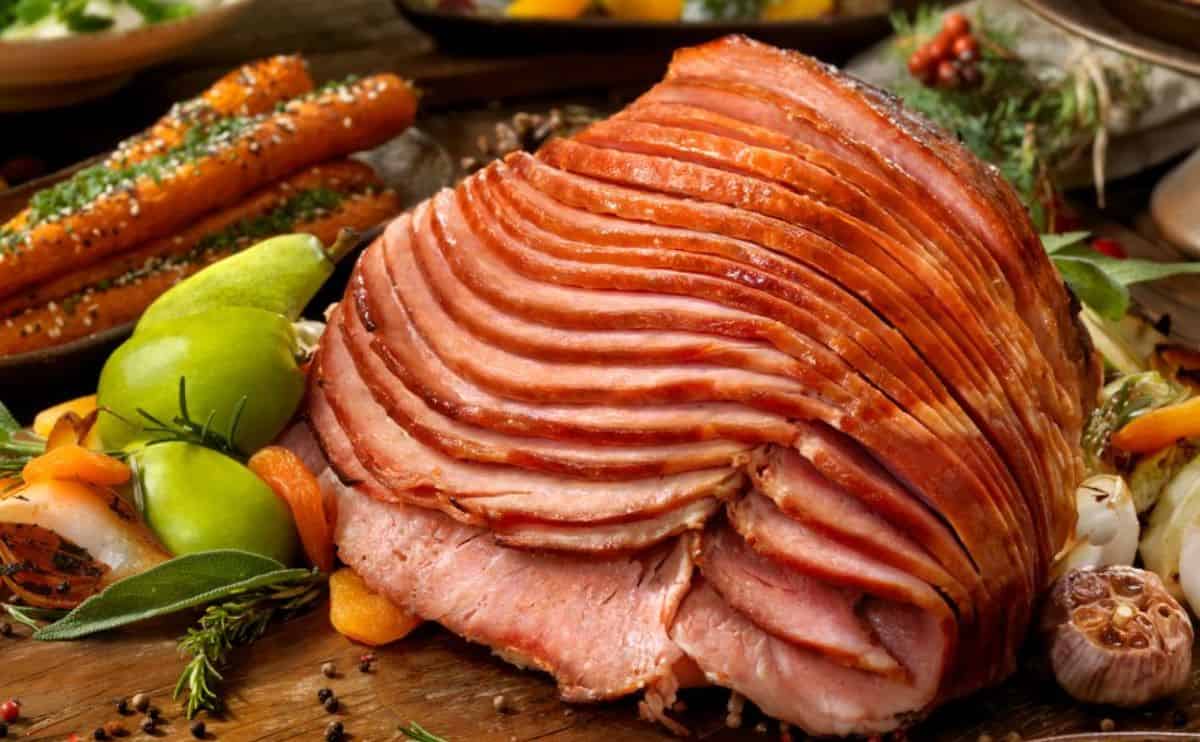
Every holiday table needs a show-stopping main dish, and there is nothing better than a holiday ham to wow your family and guests. If you choose ham as the star of your feast, you should learn how to cook it to perfection! If it is your first time roasting ham, understandably, it can be not very comforting, especially when it is for a special occasion, such as Christmas or Thanksgiving. Make your meal memorable with these stress-free roasting tips that will impress your guests!
Different Types of Ham
There are two cuts used for making ham: the butt and the shank. The shank is leaner and packs more flavour. Meanwhile, the butt is fattier but richer. Aside from choosing which part is used for making ham, you can also find more ham options based on their method of preparation. The city ham is the most common and widely available type of ham. It is brined and fully cooked, and available in smoked or unsmoked varieties. It is the most common type of ham for glazing, and most are sold sliced for easy serving. Country ham is another type of ham you can use for roasting, but it is harder to find compared to city ham. Country-style ham is cured with a dry rub rather than brining. This type of ham is typically sold raw and boasts a more intense flavour, closer to prosciutto. Fresh hams are speciality cuts that you will find in the butcher’s shop. They are uncured and uncooked, and in most cases, they still have the skin on. Cooking fresh ham yields a tender, juicy pork roast. Choose this type of ham if you want to serve it with a crispy skin. Finally, there is boneless ham. This ham is made from meat pressed into an oval shape, making carving a breeze. The texture of boneless ham is similar to that of deli meat. Choose this type of ham for a juicier, more flavorful holiday ham.Holiday Ham Ingredients
To roast the perfect holiday ham, you need the following ingredients: For the ham:- 1 14-16 lb smoked ham
- ½ cup whole cloves
- 1 tbsp cinnamon
- 1 tbsp allspice
- ½ cup brown sugar
- ¼ cup honey
- ½ cup Dijon mustard
- 1 Orange juice
- ½ lemon juice
- ¼ cup ginger ale
What You Need to Roast a Holiday Ham
- Large Roasting Pan with Handles – This roasting pan makes it a breeze to transfer your ham once it is fully cooked.
- Saucepan – You will need this to make the ham glaze.
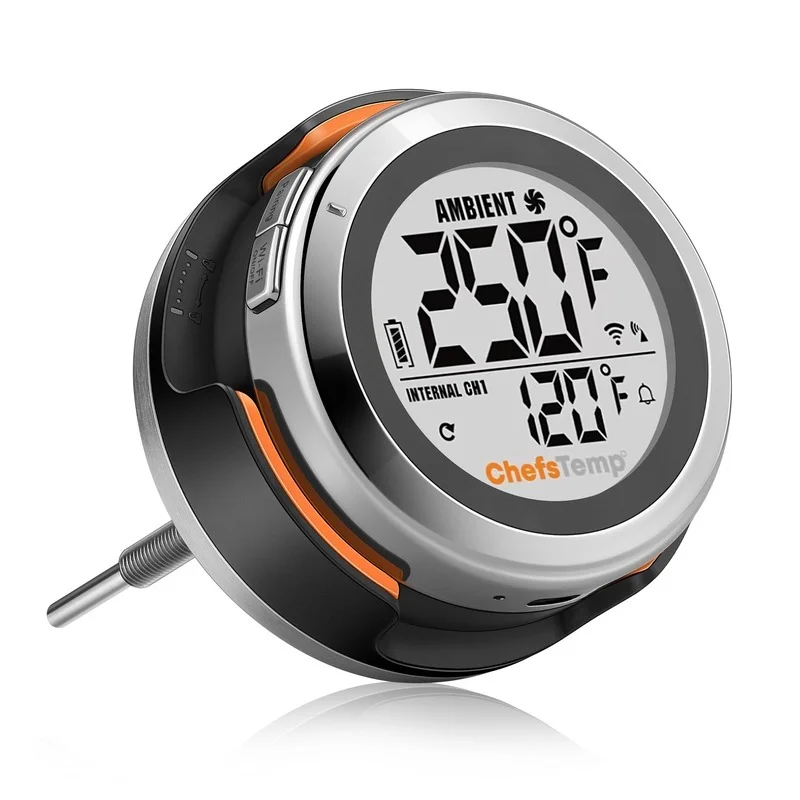
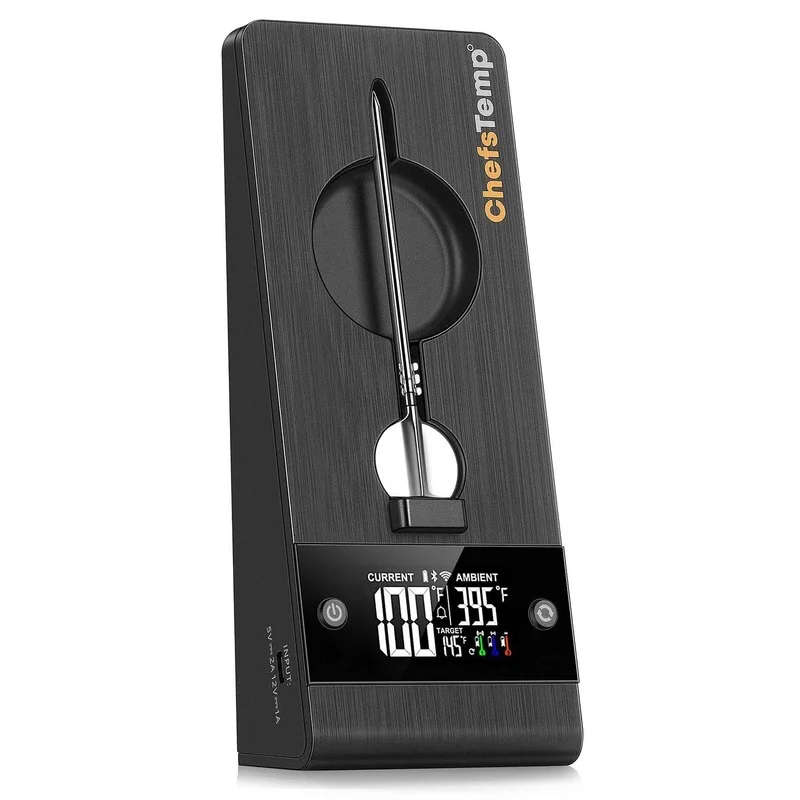
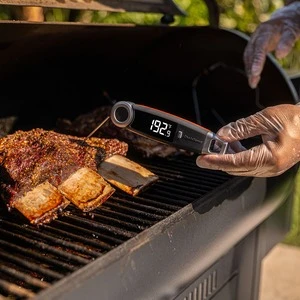
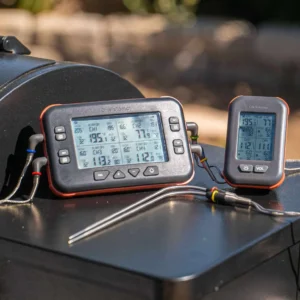
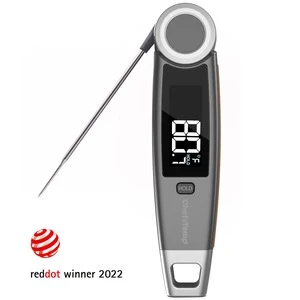
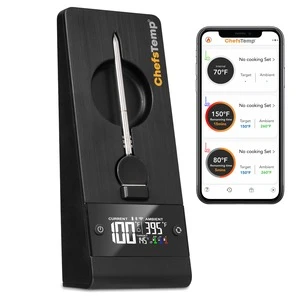
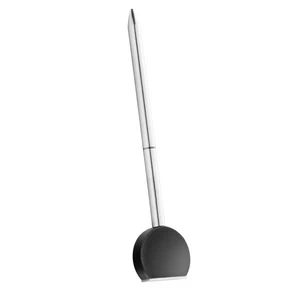
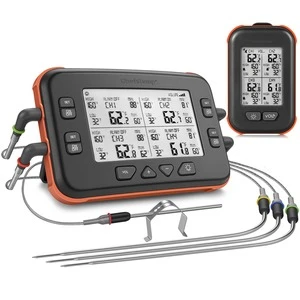
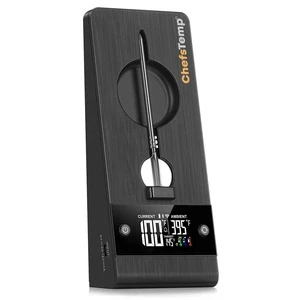
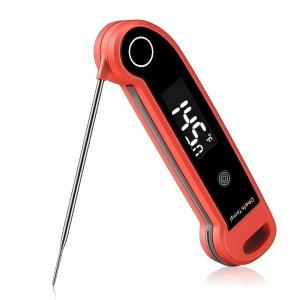
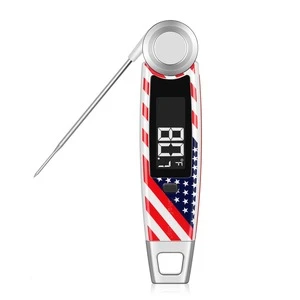
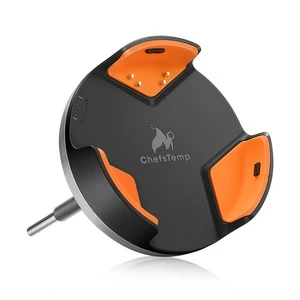
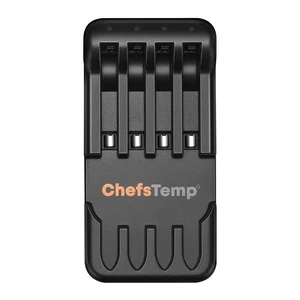
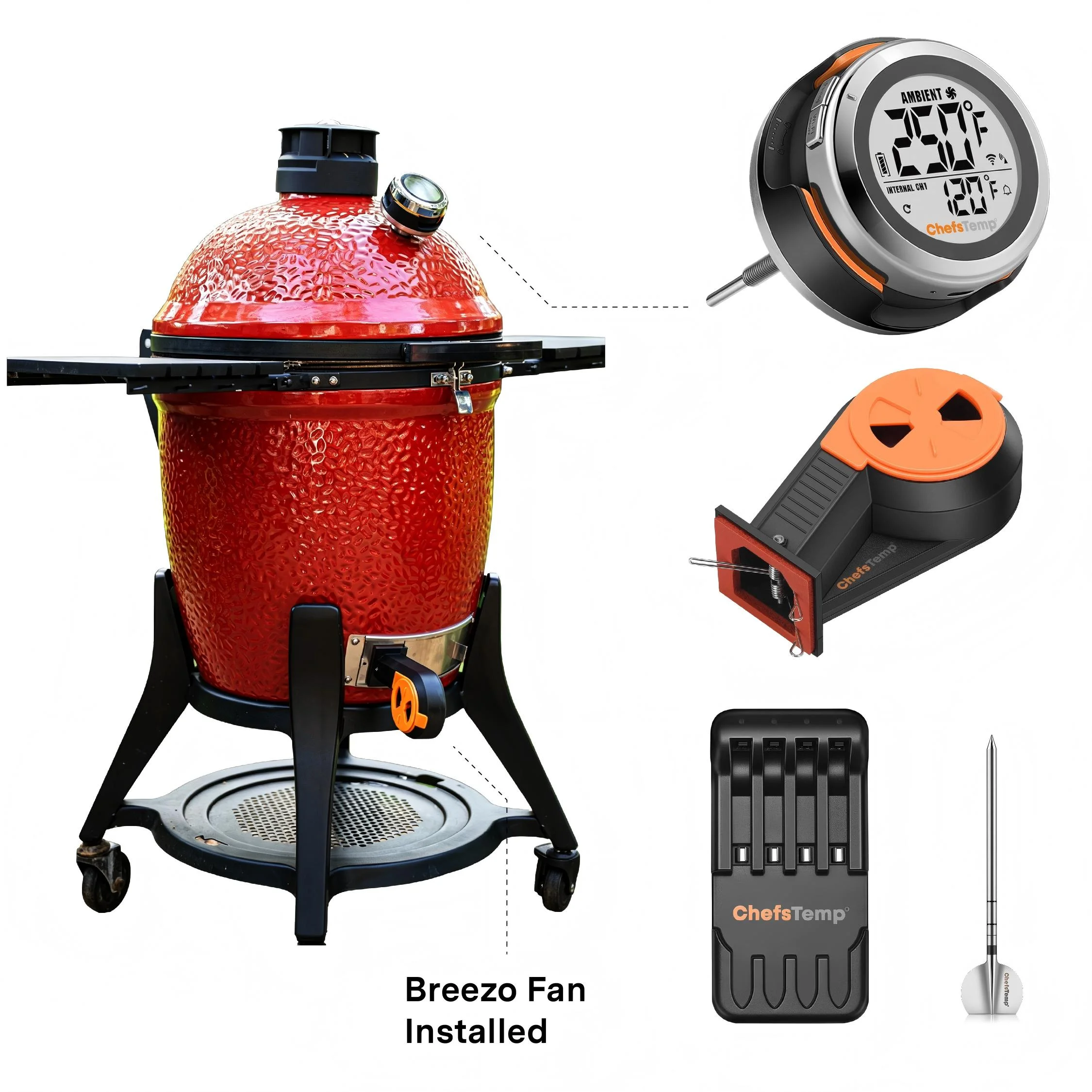
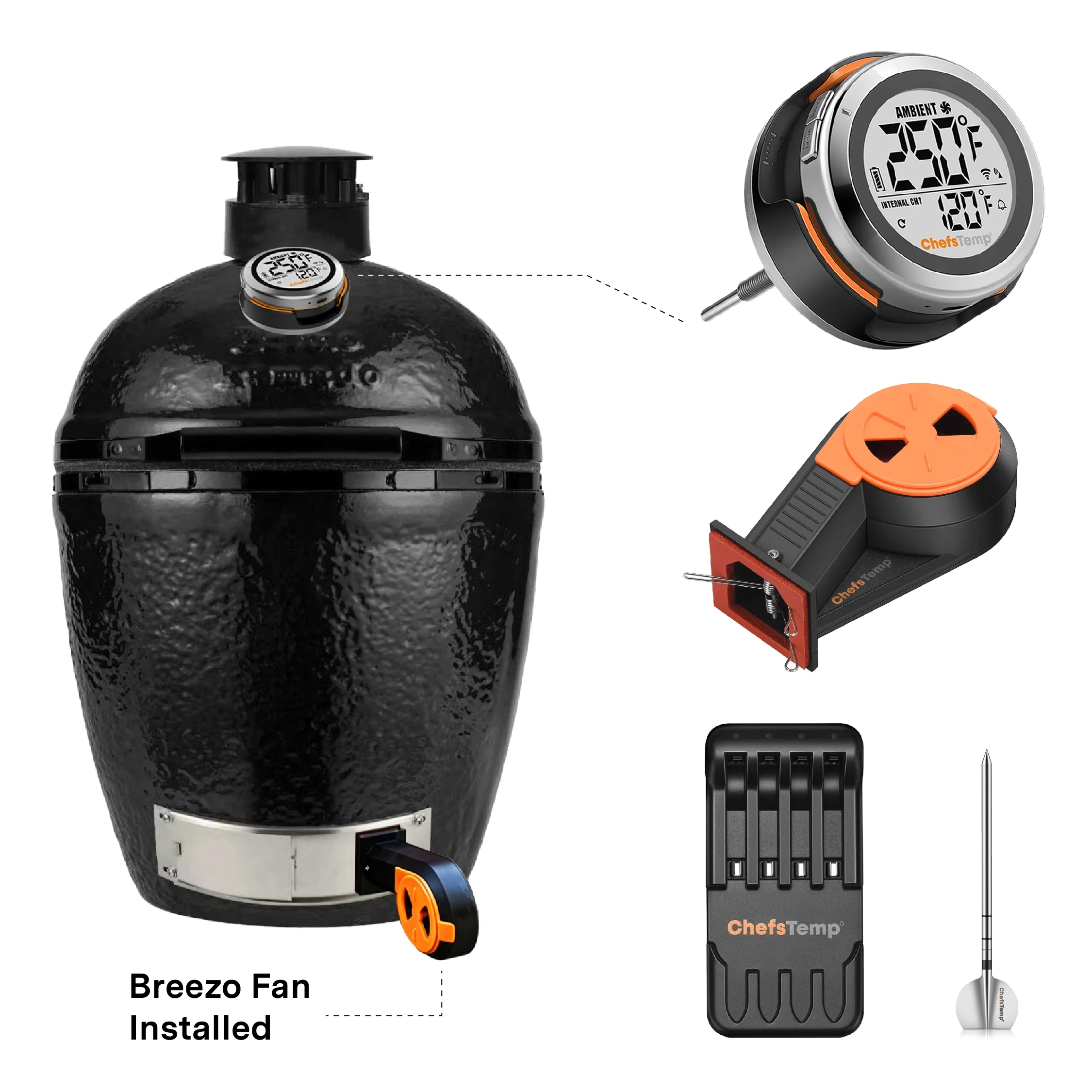
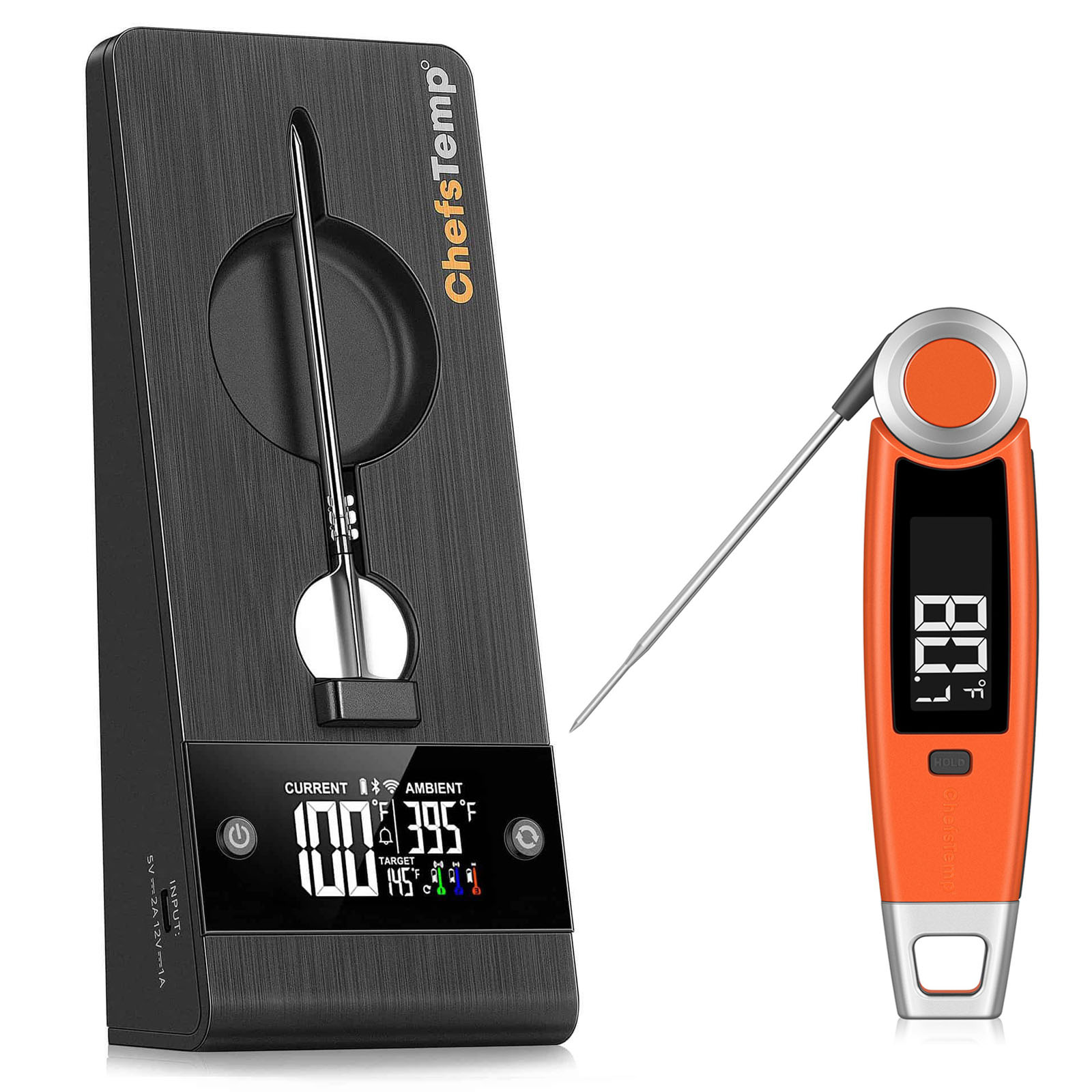
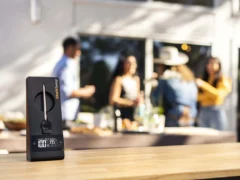
- Thermometer – You need a wireless thermometer to monitor the ham’s internal temperature while roasting.
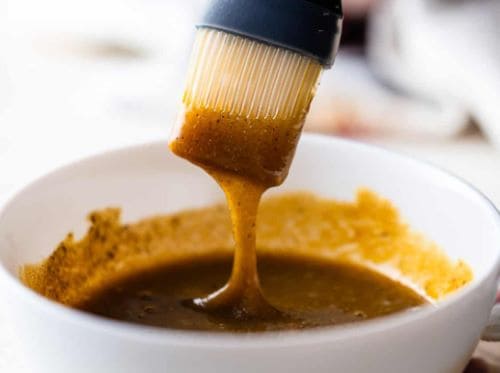
- Basting Brush – This brush helps you apply the glaze to the ham.
Instructions
Step 1: Preheat the oven to 350 degrees. Step 2: Score the exterior fat layer of the ham. Coat it with whole cloves, placing them an inch apart. Step 3: Mix the cinnamon and allspice in a bowl. Use this spice mixture to coat the ham all over. Step 4: Use aluminium foil to coat the ham while cooking. Place it into the oven and bake for approximately 30 minutes. Step 5: Heat a small saucepan and combine the Dijon mustard, brown sugar and honey. Whisk these ingredients together. Once the sugar has melted, add the orange and lemon juices, and the ginger ale to thin the mixture. Do this until the glaze is easy to spread over the ham. Step 6: Remove the ham from the oven and let it rest. Coat the ham with the glaze mixture. Step 7: Put the glazed ham back into the oven. Do not cover it with foil this time around. Keep adding the glaze every 20-30 minutes until the ham’s internal temperature reaches 130 degrees.How to Cook the Perfect Holiday Ham: Temperature Guide and Roasting Hacks
Aside from choosing the right ham and cut, here are other tips to pull off a flawless holiday meal with ham as the main dish.When to Marinate
If you’re buying fresh, uncooked ham, you can add a marinade to enhance the flavour of the ham. But if you are purchasing the pre-cooked ham in the grocery store to make your holiday prep easier, you shouldn’t marinate it. It will ruin the ham’s pre-existing flavour. Adding a simple brine at the bottom of the roasting pan will do. Plus, it helps keep the ham moist and tender as it cooks.Score the Skin
Scoring the skin with a sharp knife is a crucial step when roasting a holiday ham. Make sure to cut through the skin and layer of fat to create a diamond pattern. It allows the glaze that you baste onto the ham to penetrate the meat. It also does not hurt that this diamond pattern adds an extra wow factor when you serve the ham at the table.Glaze, Glaze, Glaze
No matter what type of ham you are roasting, glazing is an important step you should never skip. You can make a homemade glaze using the recipe below, or buy a pre-bottled glaze. Either way, brushing the ham with glaze every few minutes enhances the flavour and gives it gorgeous results when you serve it at the holiday table. Tip: click here to learn more about glazing on turkey if interested.Cover it with Foil While it Cooks
Covering the ham with aluminium foil as it roasts in the oven helps to prevent it from drying out. Glazing also helps to keep the meat moist.Let the Ham Rest
As with any roasted meat, let the ham rest before serving or slicing. Let it rest for at least 15 minutes to allow the juices to redistribute back into the meat.Preheat the Oven
Preheating the oven is an essential step before placing the ham in the oven to ensure it cooks to the right temperature. This prevents the ham from overcooking or undercooking.Cooking Time Varies According to the Size & Weight of Ham
The ideal roasting temperature for ham is 325 degrees. However, cooking time varies depending on the ham’s size and weight. Use a wireless thermometer to monitor the ham’s internal temperature regularly and adjust the cooking time as needed.RELATED POSTS
CHEF IQ Alternative: Is ChefsTemp the Best Thermometer for Smoker Cooking?
The chef iq thermometer has earned a solid reputation in modern kitchens. For indoor roasting, air frying, or ...

Best Meater Pro Alternatives in 2026: Finding the Best Wireless Meat Thermometer for Smoker
Meater Pro revolutionized wire-free cooking, but heavy-duty steel offsets and thick ceramic kamados create phy...
Finding the Best Smart Wireless Meat Thermometer: The Ultimate ThermoWorks RFX Alternative
It takes time, money and accuracy to prepare a top-notch brisket for a weekend BBQ party. However, that enthus...

Beyond PitmasterIQ: Transforming Weber Grill Temperature Control with an All-in-One Monitoring Hub
Brisket purveyors have a reputation for waking up in the middle of the night to check the temperature of smoki...

The Ultimate Smart Grilling Hub: A Modern Alternative to BBQ Guru for 2026
I still recall the stress from my first overnight brisket. It wasn't the charcoal that kept me up. It was the ...
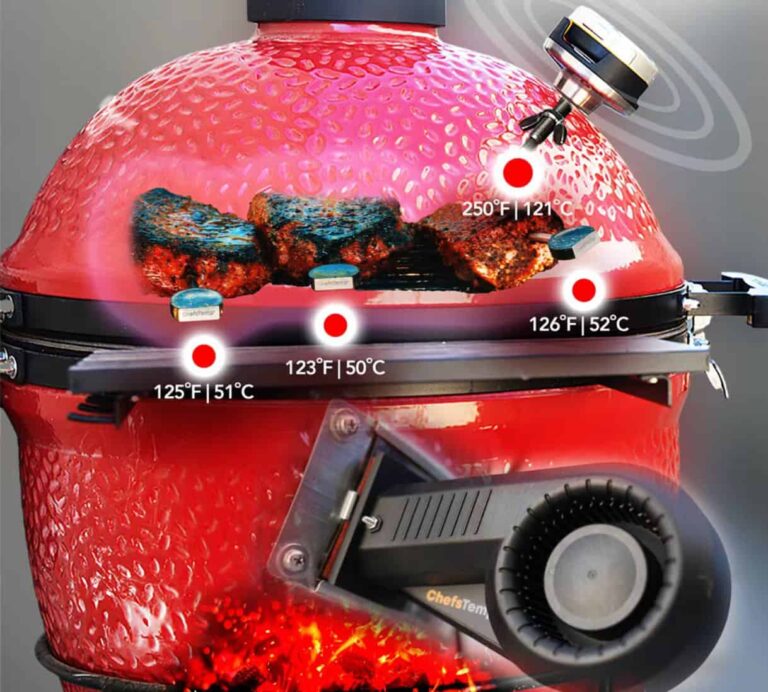
Master Your Kamado Joe Temperature Control: The Ultimate SMOBOT Alternative
A well-insulated grill with high-end ceramic insulation is great. But let's face it: monitoring grill vents fo...
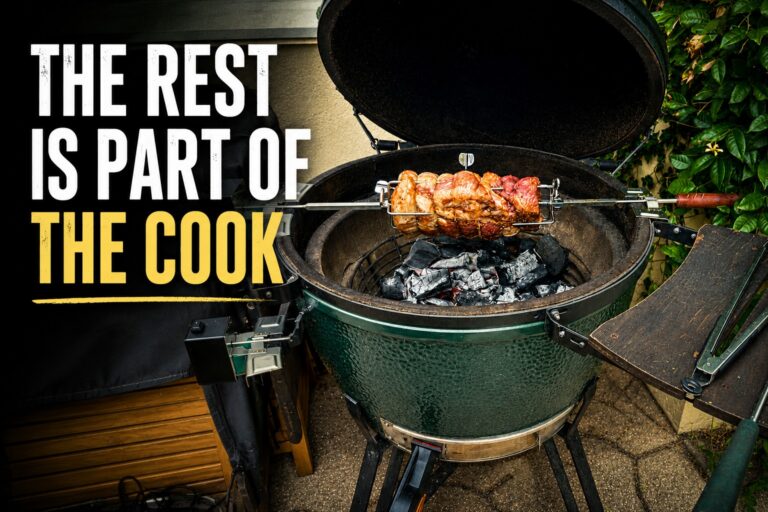
The Rest Is Part of the Cook
"Using time, temperature, and even your grill to protect the final result."
Most of us spend a lot of time th...
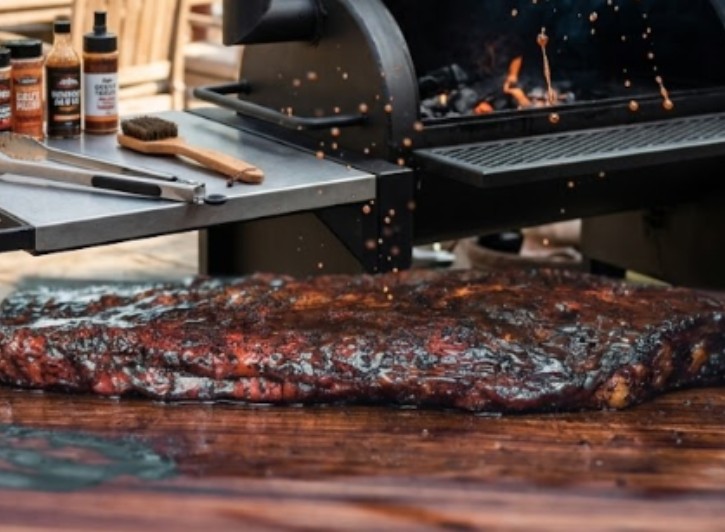
Pitmaster IQ Alternatives: Best Smart Wireless BBQ Controls Guide
Compare the top Pitmaster IQ alternatives. Learn about smart wireless smoker controllers that control airflow and heat for perfect meals year-round.
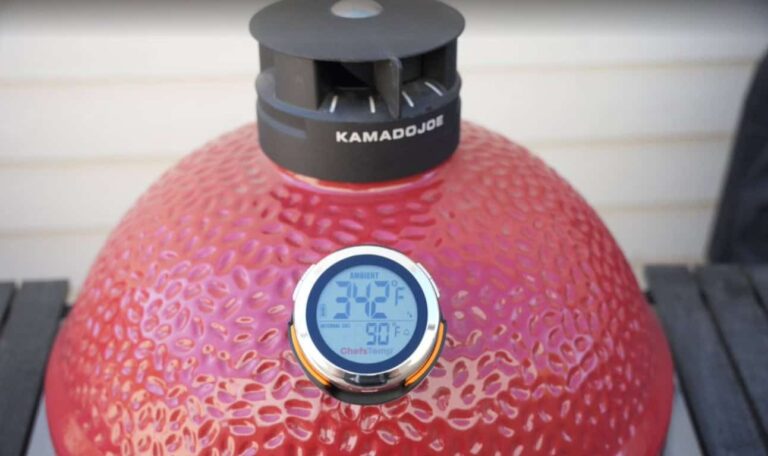
Kamado Grill Accessories: The Ultimate Guide to Building a Smart Ecosystem
Heavy-duty ceramic grills deliver amazing flavor, but that thick-walled grill is a challenge to master. If you...
SMOBOT Review: Is It Still The Best Kamado WiFi Grill Controller?
SMOBOT automatically controls your Kamado vent, but jammed gears and weak WiFi can cost entire cooks. Here is what to know before you buy.
Accessories for BBQ Grill: Brand-Agnostic Compatibility & Tech Integration
Let’s be honest: when you look for accessories for bbq grill, another silicone brush won’t fix a ruined briske...
The Best WiFi Meat Thermometer for Smoker: ProTemp Plus (True Wireless) vs. Signals (Wired)
Smoking a brisket requires a full day of commitment. It's not just a “set it and forget it” kind of deal. We'v...