When to Wrap Brisket
What Temp to Wrap Brisket and Precision Control
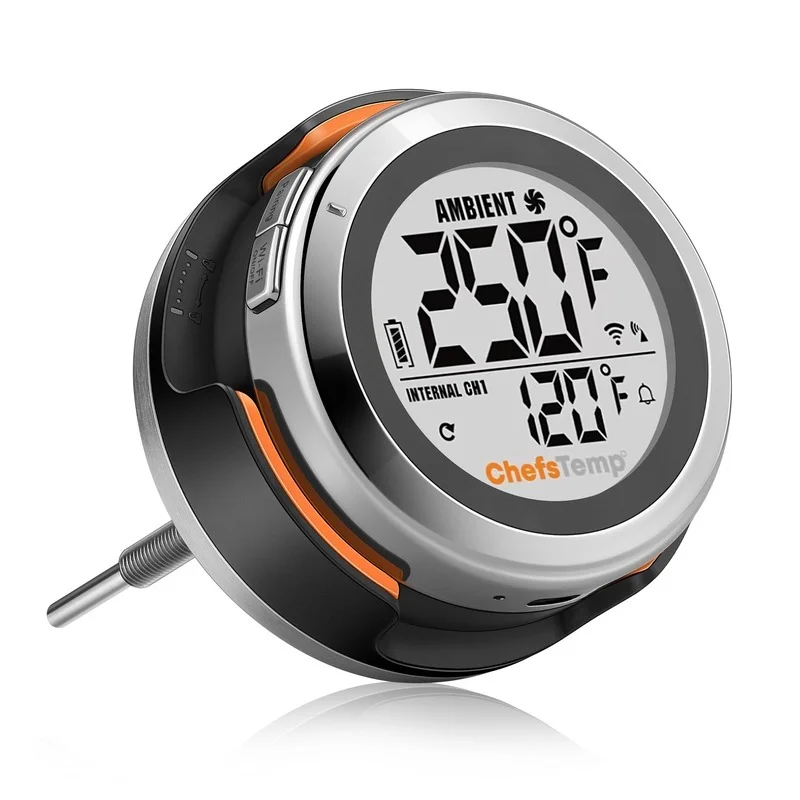
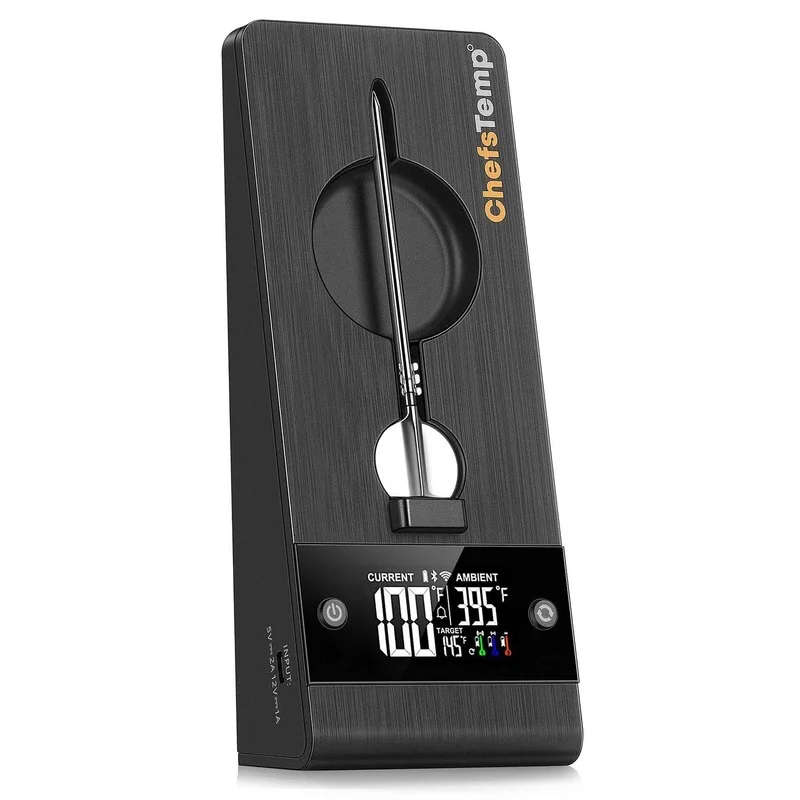
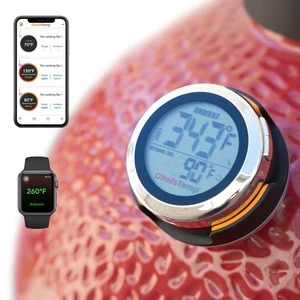
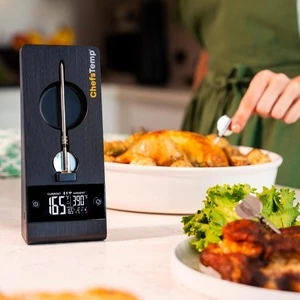
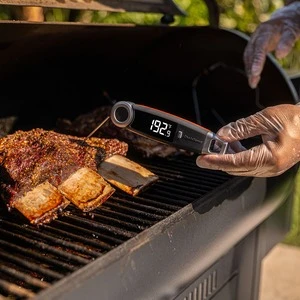
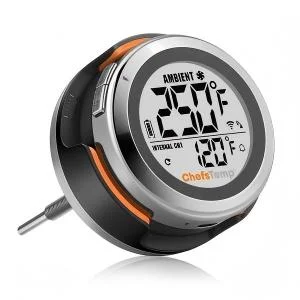
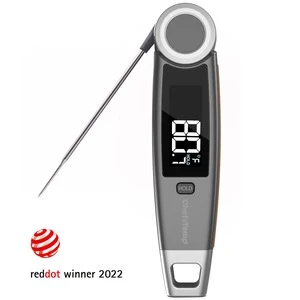
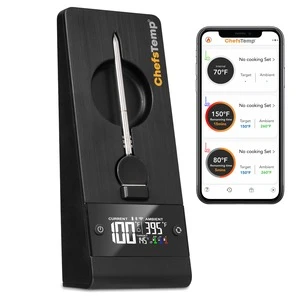
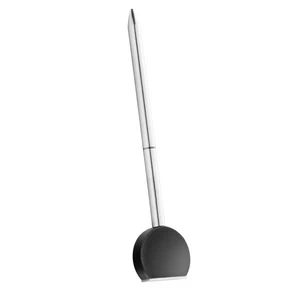
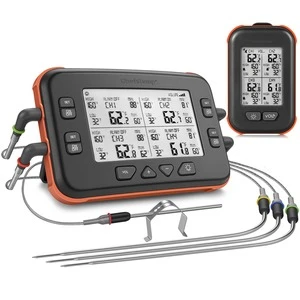
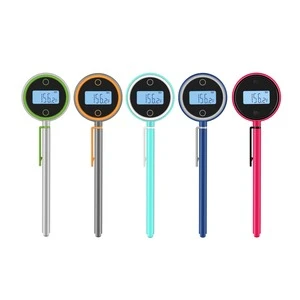
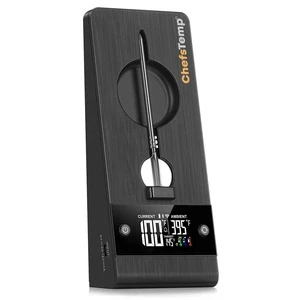
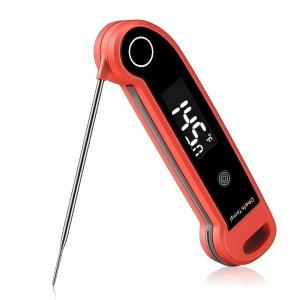
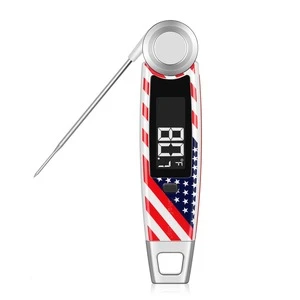
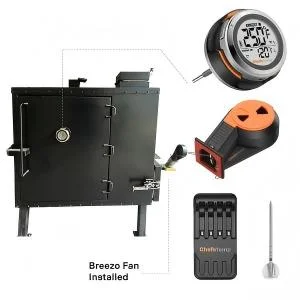
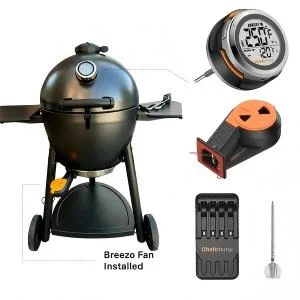
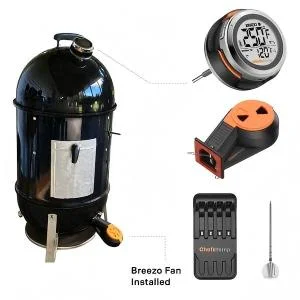
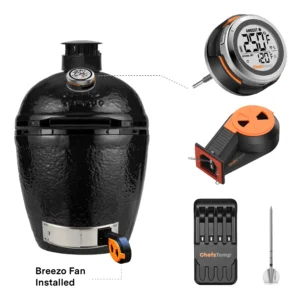
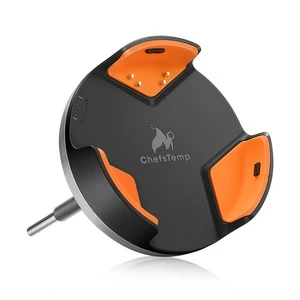
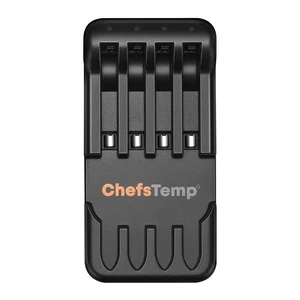
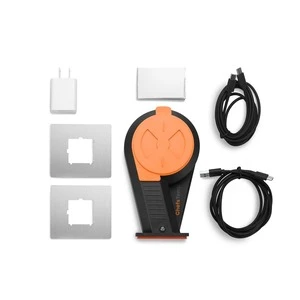
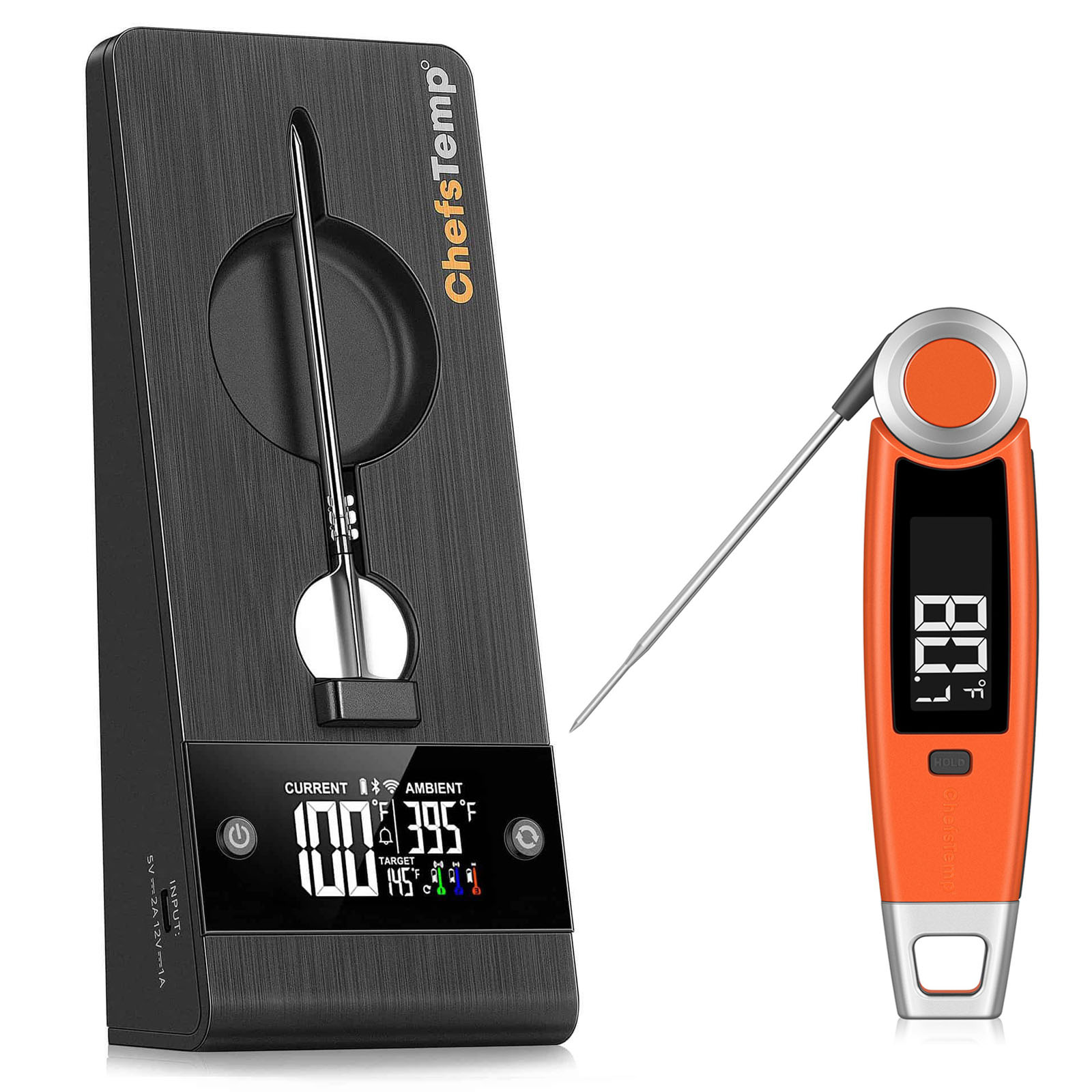
I used to ruin briskets because I would wrap them based on the clock rather than the meat. After losing several points, I learned what I believe every brisket cooker eventually learns. A 15-pound packer simply doesn’t give a rip about your schedule. If you find yourself stressed about what temp to wrap brisket, you’re looking for the golden range 165°F to 170°F. But here’s the thing that changed the game for me: temperature isn’t the only thing at play. Sure, most people rely on the numbers, but I also incorporate a physical touch test. If I touch the fat cap and it feels soft and yielding like warm butt, and the bark has formed a nice, deep mahogany and isn’t super sticky, I know the meat is ready. This is a brisket cooker’s IQ test. To achieve that specific internal temperature and fully rendered fat is the real secret to knowing exactly when to wrap brisket. Understanding this timing is crucial for overcoming the infamous “stall,” a fascinating phenomenon that occurs during low-and-slow cooking, which food scientists explain is caused by evaporative cooling on the meat’s surface. It is extremely easy to miss that important 165°F to 170°F range, especially if you are stepping away or perhaps you are taking a nap partway through an overnight cook. To ensure that I reach the target every single time, I now track my cooks using a smart wireless meat thermometer. Accurate monitoring aids this long cooking process by delivering precise, high-heat tolerant internal temperature data straight to my phone. By utilizing professional-grade equipment, I take the guesswork out of the equation, as sensors alert me the moment the meat is ready for the next step.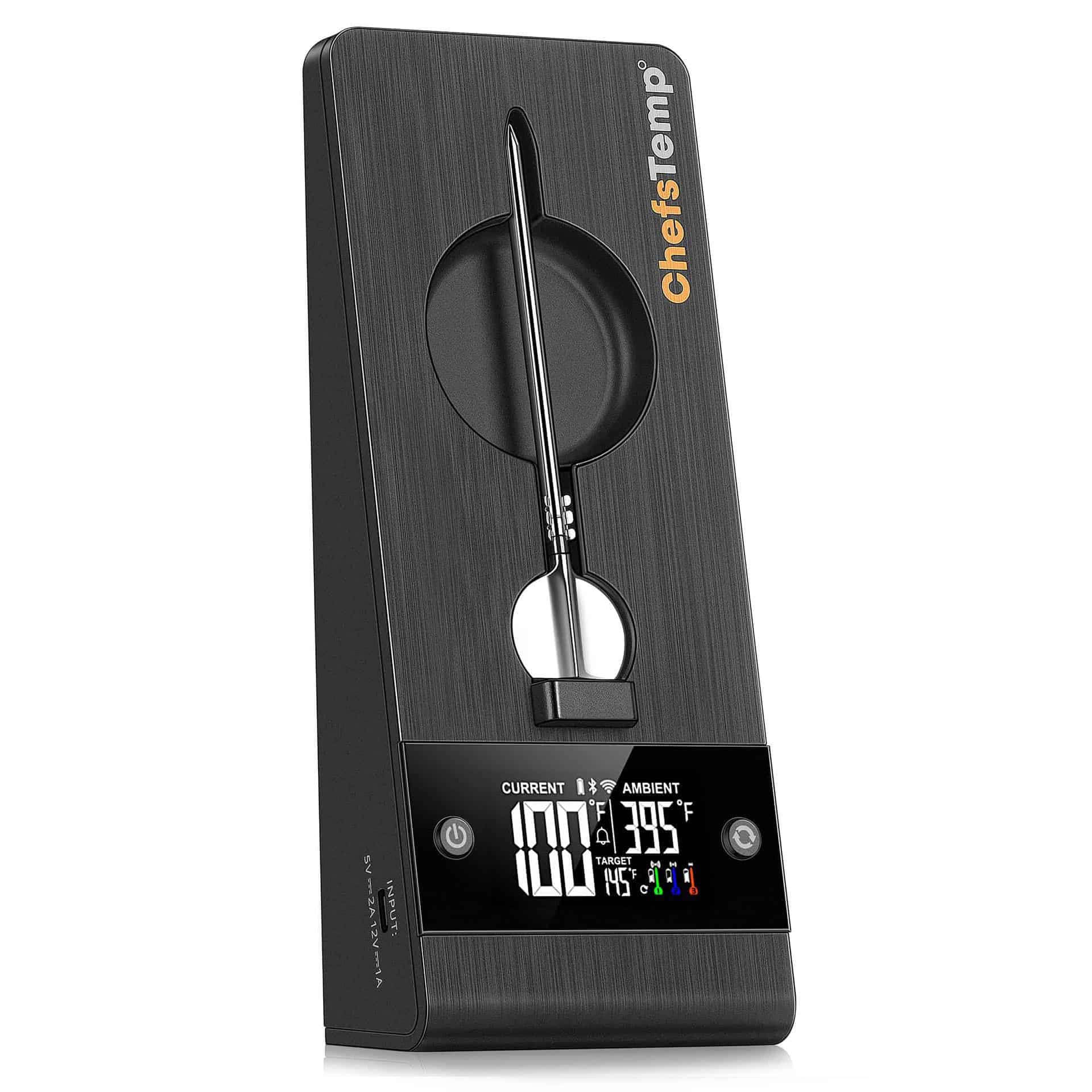
ProTemp 2 Plus
3 Ways on How to Wrap a Brisket Tested Side by Side
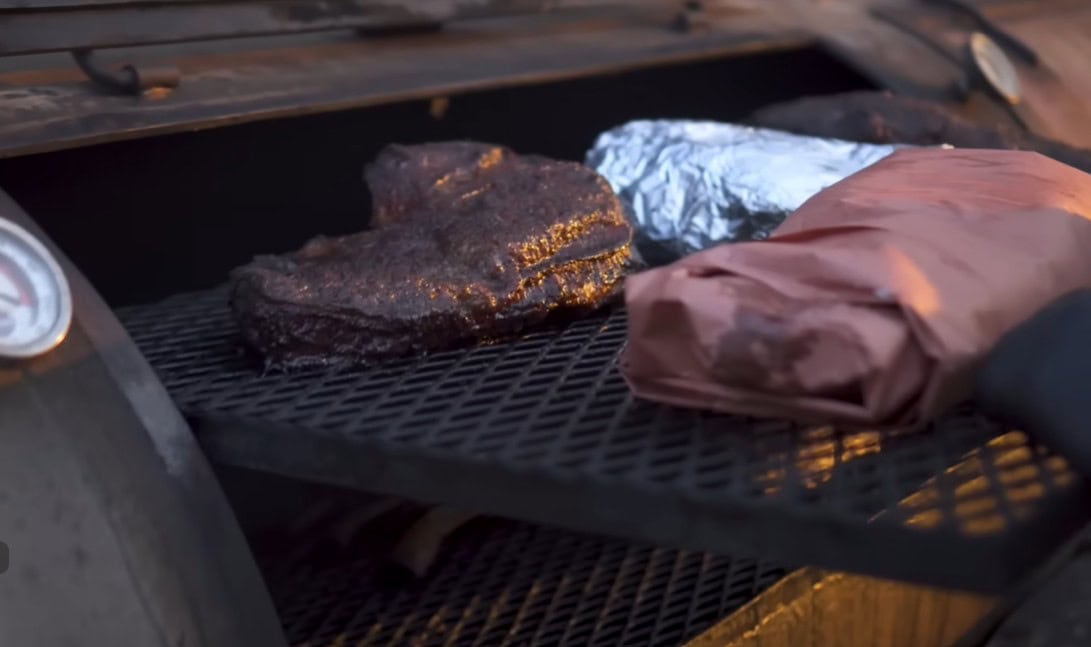
As soon as my three test briskets hit that magical 168 degrees and I could feel the fat soften under my fingers, I knew exactly when to wrap brisket to initiate the next crucial phase of the experiment. To ensure a fair comparison, I avoided adding smoked beef tallow or apple cider vinegar and focused solely on how different wrapping materials affect brisket, letting their impact show through unfiltered. According to Dr. Claire Whitfield, the Texas Crutch involves wrapping brisket in aluminum foil or butcher paper during the smoking process, which is central to this kind of testing. Here is exactly what happened during the last agonizing hours on the smoker.Method 1: The Bare Minimum (No Wrap)
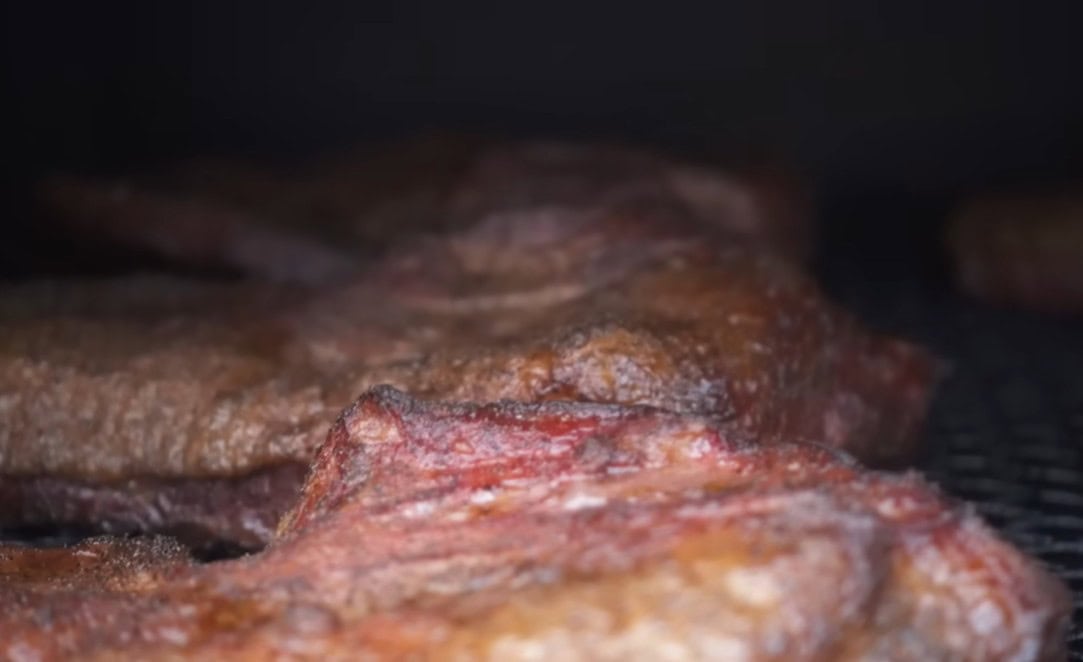
The Bare Minimum (No Wrap)
- Total Cook Time: 14 Hours
- The Verdict:If you are a real smoke enthusiast, you’ll be tempted not to wrap the brisket. This piece of meat stayed fully exposed to the flames for the entire 14 hours.
- The Bite:This was a superb-looking piece of meat. The crust was nearly black and extremely crunchy. The smoke taste was extremely strong, but that was also a negative. The flat’s thinner edges were dehydrated and too dry for my taste. If you decide to go unwrapped, I really recommend using small aluminum foil shields just over the thin edges to prevent them from burning.
Method 2: The Texas Crutch (Aluminum Foil)
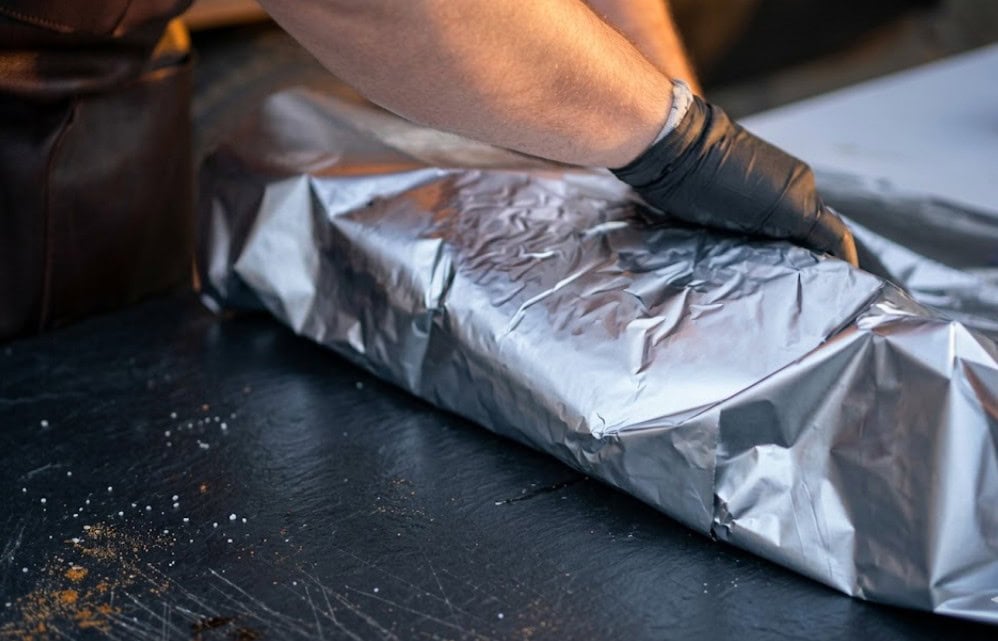
The Texas Crutch (Aluminum Foil)
- Total Cook Time:11 Hours
- The Verdict: If you are seriously behind schedule for your backyard gathering and your guests are glaring at you, foil is your quickest way out. It creates an aggressive, airtight steam room that blasts right through the stall.
- The Bite:Frankly, this was my least favorite cut. When I cut into it, the gorgeous bark I worked hard for had completely washed away into some mushy, reddish-orange slush. Ironically, it looked dripping wet, but it was the least juicy of the three. Because the foil trapped all that steam, the internal fat simply couldn’t render in that dry-heat environment. Instead, it felt more like a wet pot roast than a real smoky BBQ brisket.
Method 3: The Pitmaster’s Choice (Wrapping Brisket in Butcher Paper)
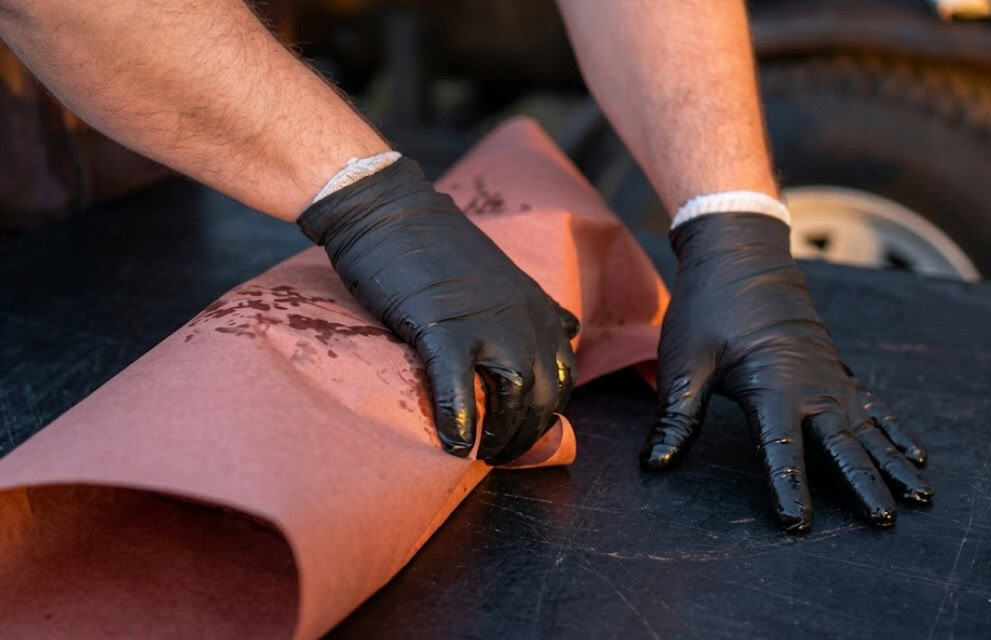
The Pitmaster’s Choice (Wrapping Brisket in Butcher Paper)
- Total Cook Time:5 Hours
- The Verdict: There is a reason the best barbecue joints in Texas wrap brisket in butcher paper. It protects the brisket, saves you hours of cooking time, and optimizes your finished product.
- The Bite:The pink butcher paper breathes. It wicks and soaks up a lot of the grease, allowing the right amount of steam to pass through to keep the bark. The rest of the crust was just as good as the rest of the brisket. The fat was rendered to perfection, turning into liquid gold. It was the best bite of the entire experiment, and the reason was the butcher paper. It was juicier than the rest and had the best balance.
Wrapping Brisket in Butcher Paper vs Other Methods for Your Pit
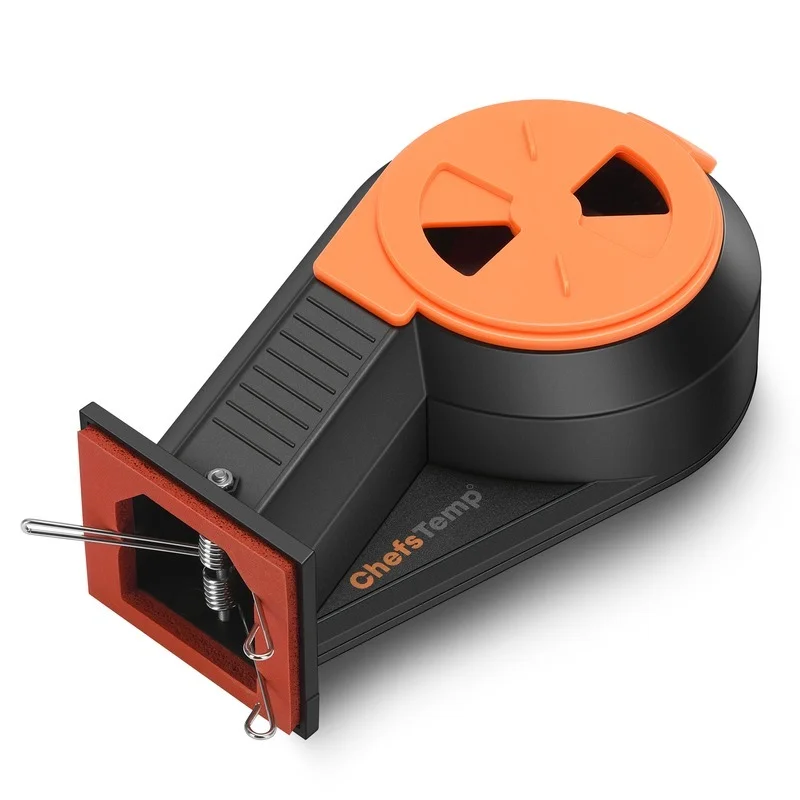
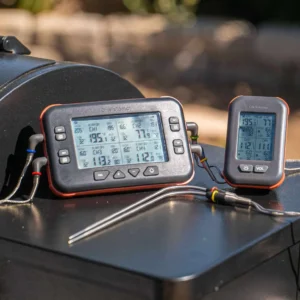
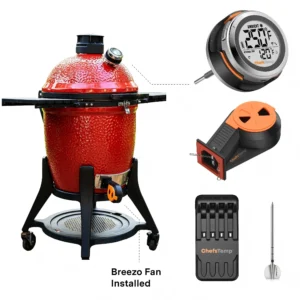
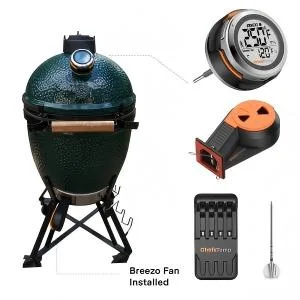
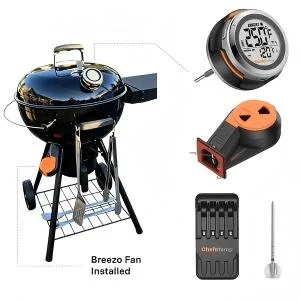
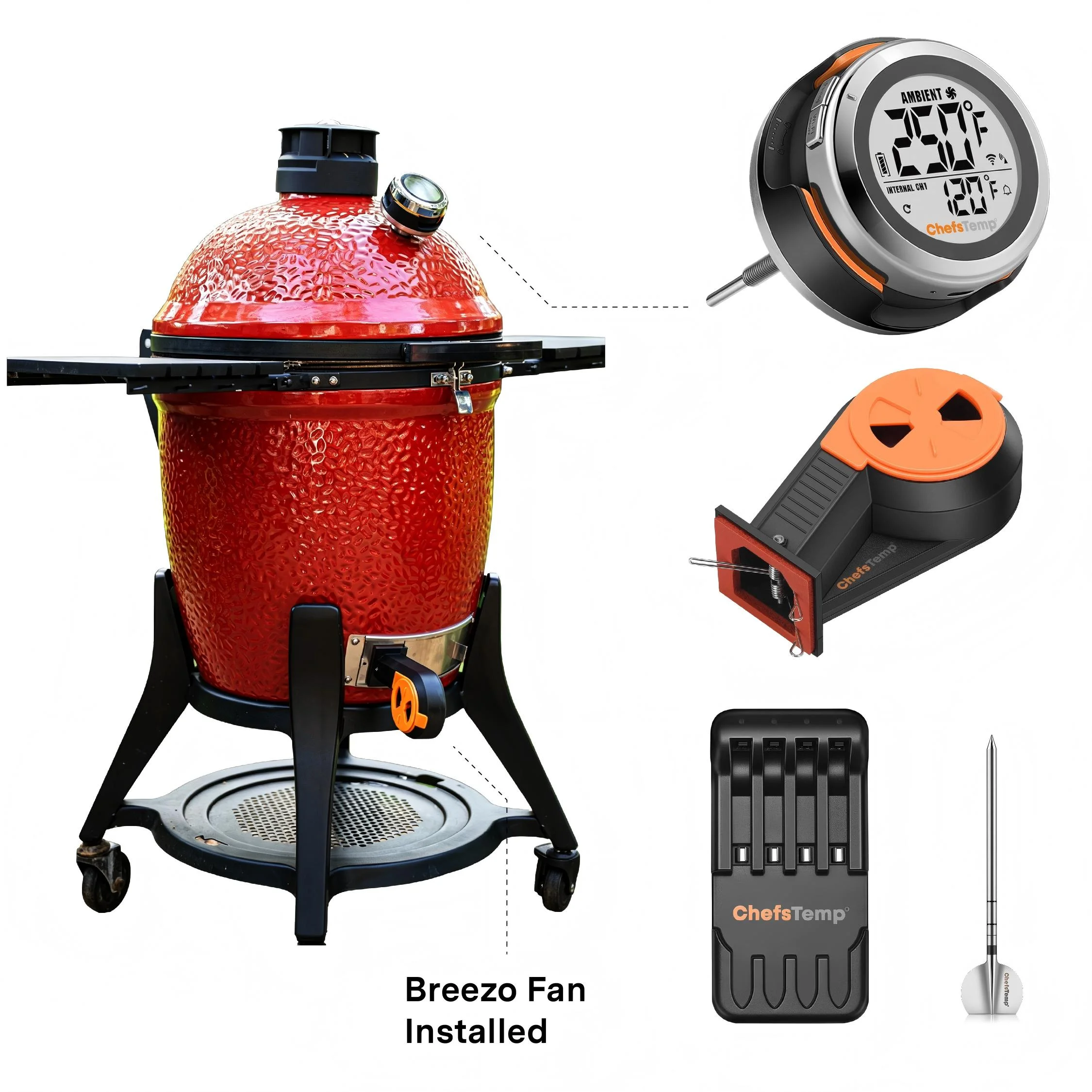
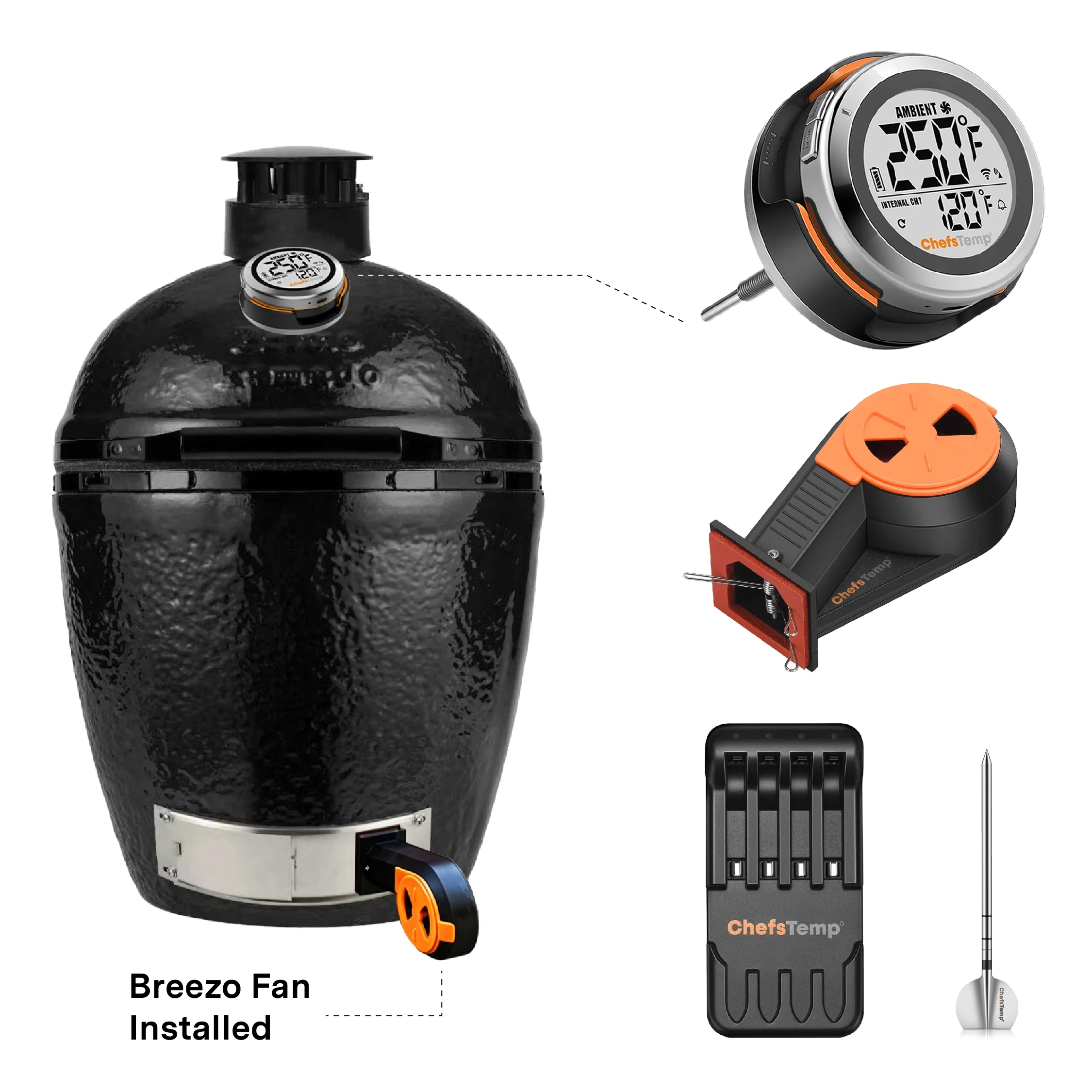
Personally, I enjoy wrapping brisket in butcher paper to get the best pop and juiciness, but my wife preferred the foil-wrapped one in a blind taste test! This shows there’s no “right” or “wrong” on when to wrap brisket or what to wrap it in; just prepare what your family appreciates most. But here is the difficult part: no wrapping techniques can help your meat if there are large temperature fluctuations in your pit. To achieve the necessary temperature control for 14 hours of cooking, replacing a standard factory dial with a more precise gauge can make a significant difference. Advanced monitoring setups stabilize this environment by offering precision sensors that measure true temperature at the grate level. Automated airflow regulation and high waterproof durability help maintain stable temperatures throughout the night.-
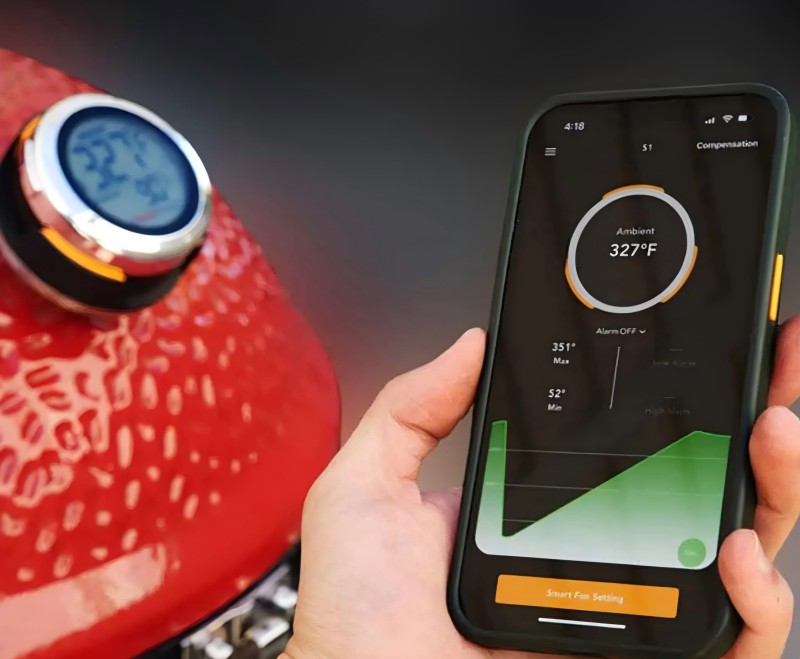
ProTemp S1