Have you ever been excited to try a new restaurant and then been disappointed by the lack of cleanliness? It certainly makes for a less than pleasant dining experience. Situations like this make you wonder, how does food hygiene become compromised? Is it unsafe to eat food that is unclean? What are the food hygiene ratings?
No one wants to get sick after enjoying food, so there are a few things to keep in mind whether you are dining out or eating at home. This basic guide to food hygiene ratings will give you a better idea of what to look out for when choosing your next meal.
Food Hygiene Ratings
It is up to local governments to monitor food hygiene ratings, but there are also specific organizations—like the FSA in the UK or the FDA in the US—who keep surveillance of food safety. In the United States, the FDA (Food and Drug Administration) is responsible for the items that are sold in grocery stores, while the local health department is responsible for restaurants near residents. In the United Kingdom, the FSA (Food Standards Agency) is responsible for food safety and hygiene. In the UK, food hygiene is rated on a scale of 0 to 5:
- 0 – Urgent improvement necessary
- 1 – Major improvement necessary
- 2 – Improvement necessary
- 3 – Generally satisfactory
- 4 – Good
- 5 – Very good
Food Hygiene Inspection
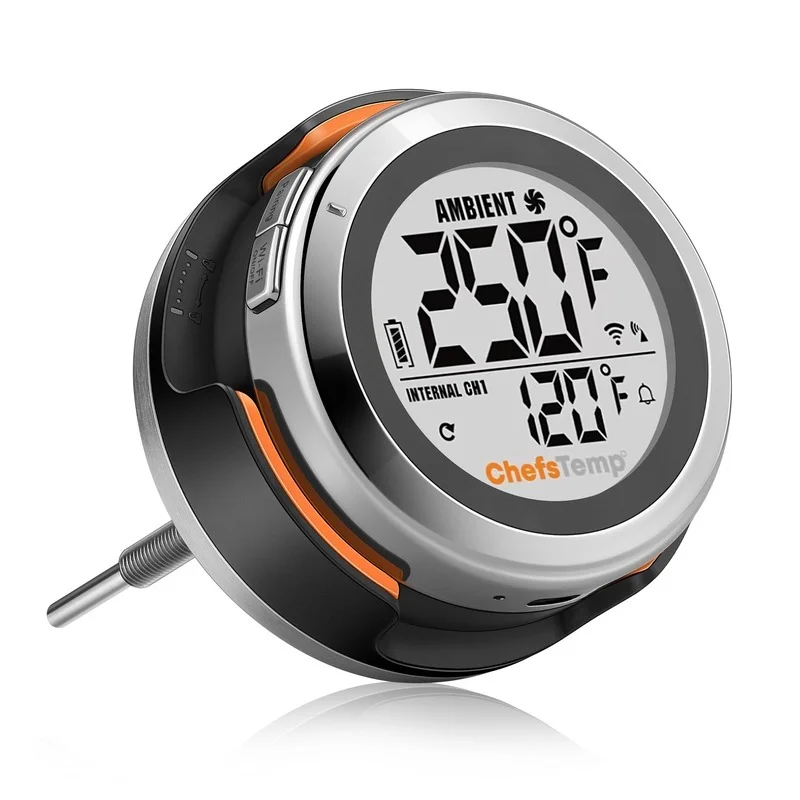
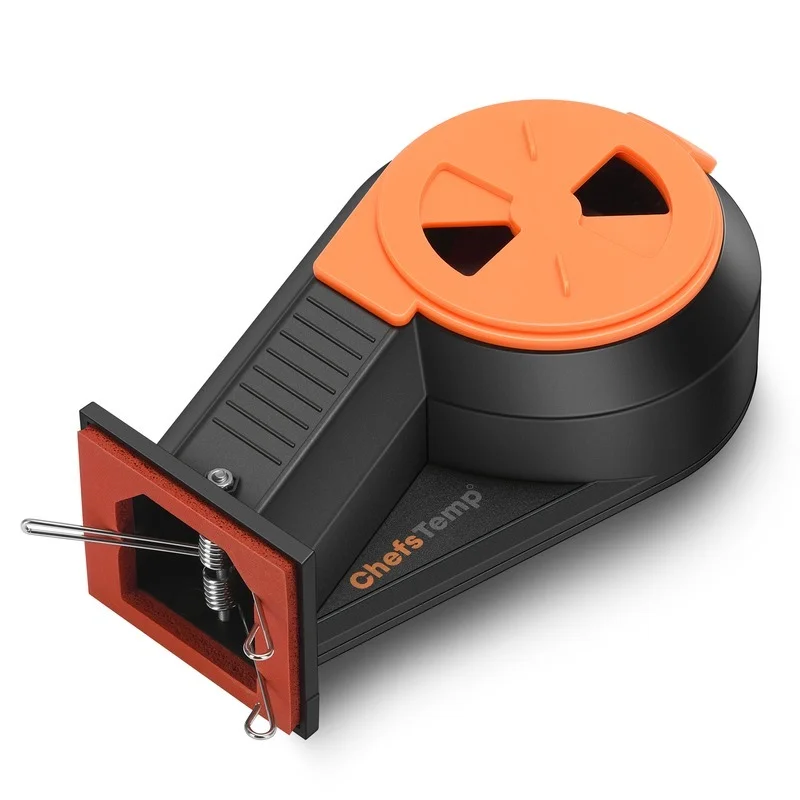
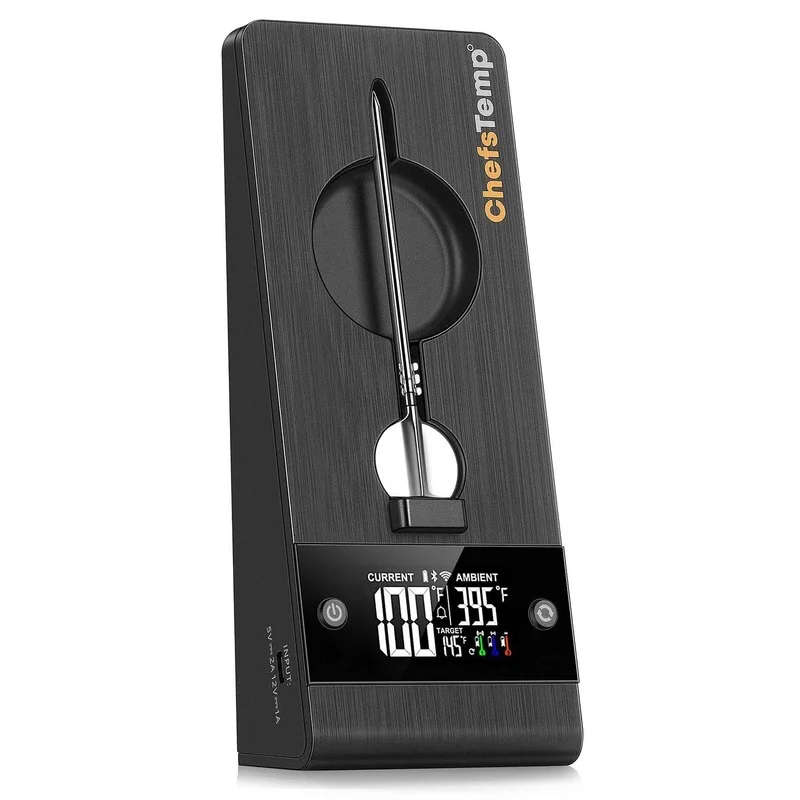
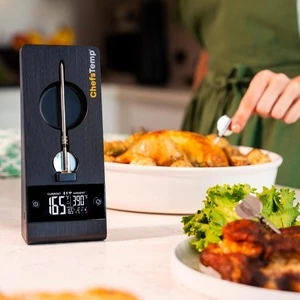
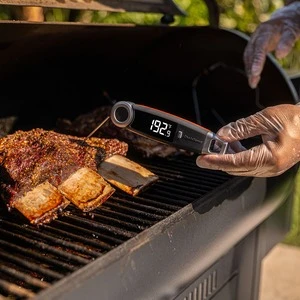
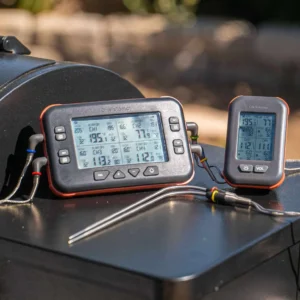
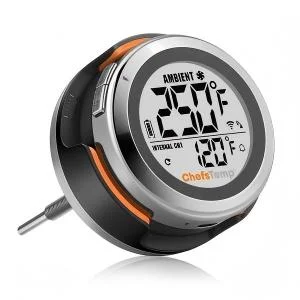
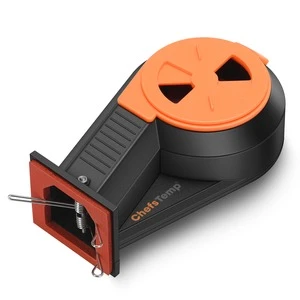
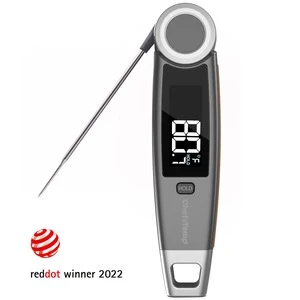
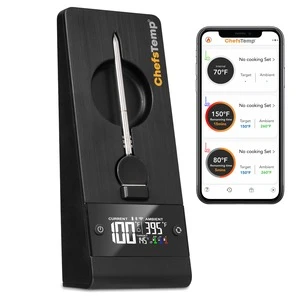
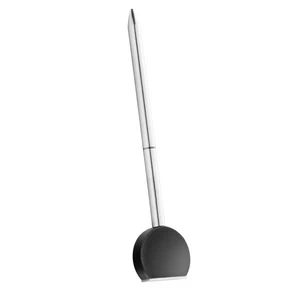
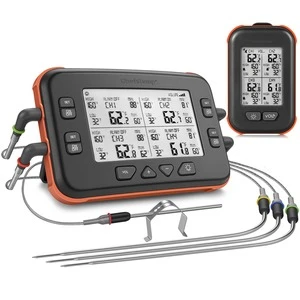
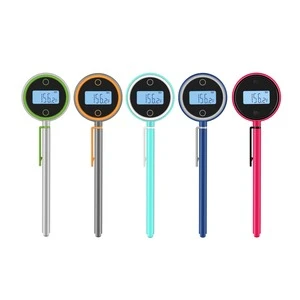
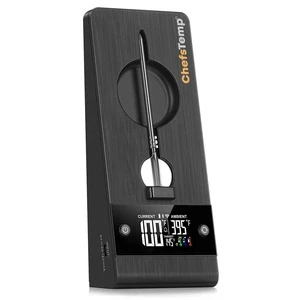
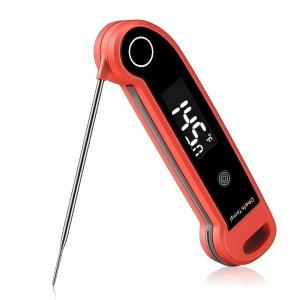
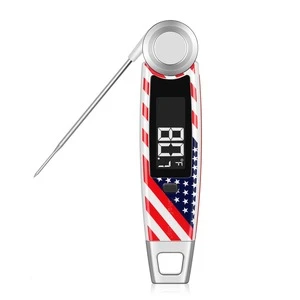
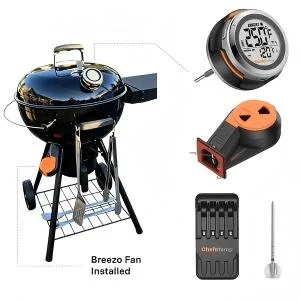
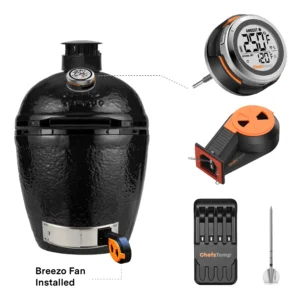
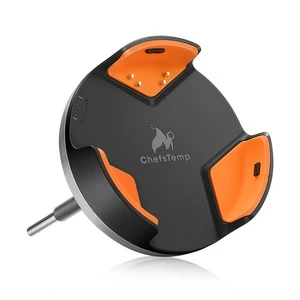
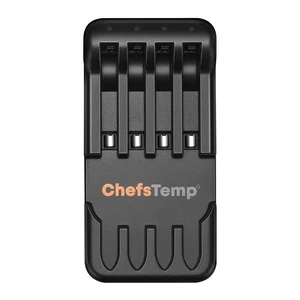
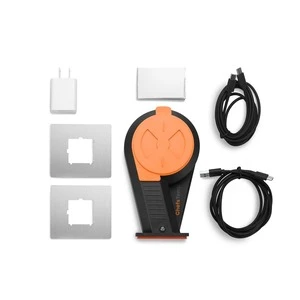
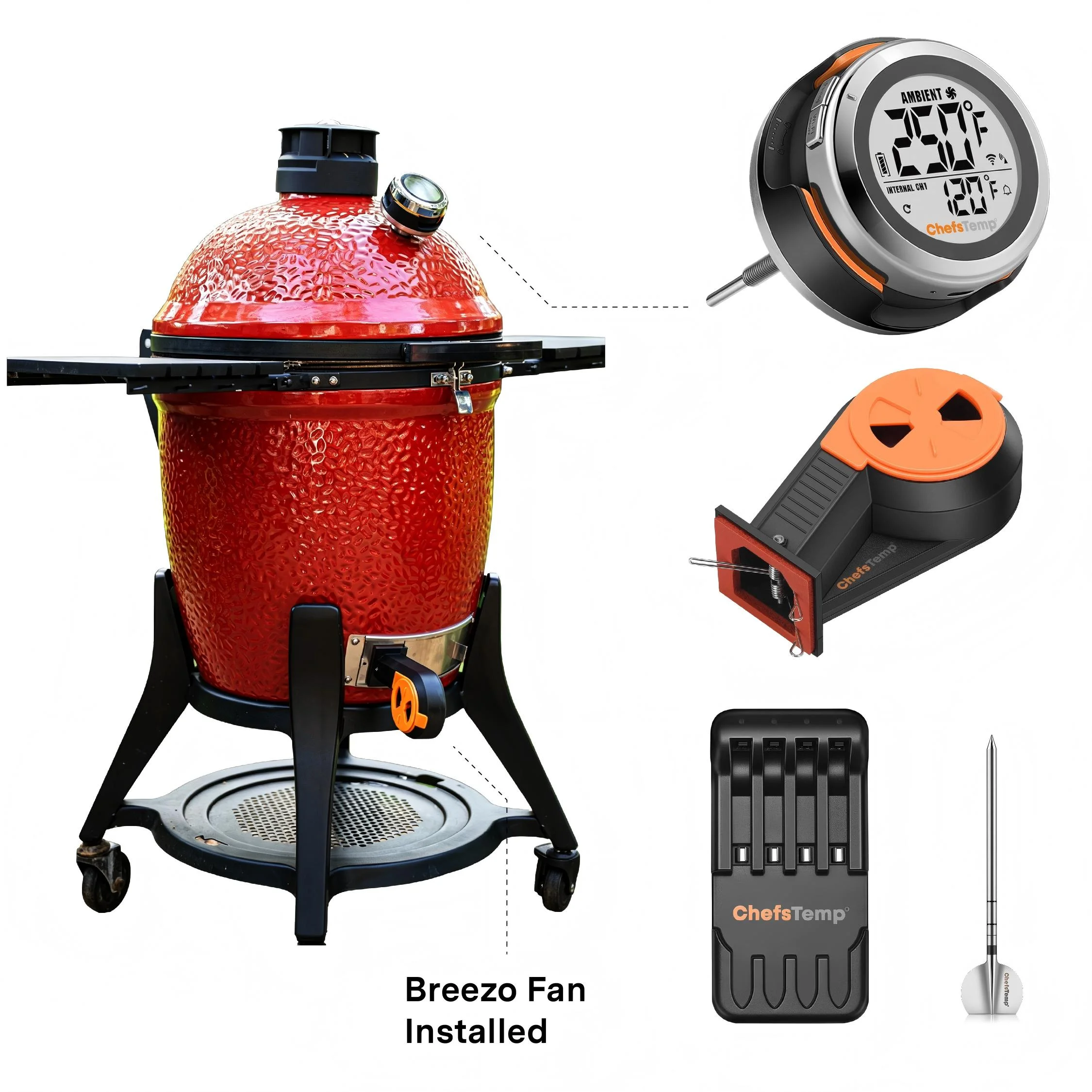
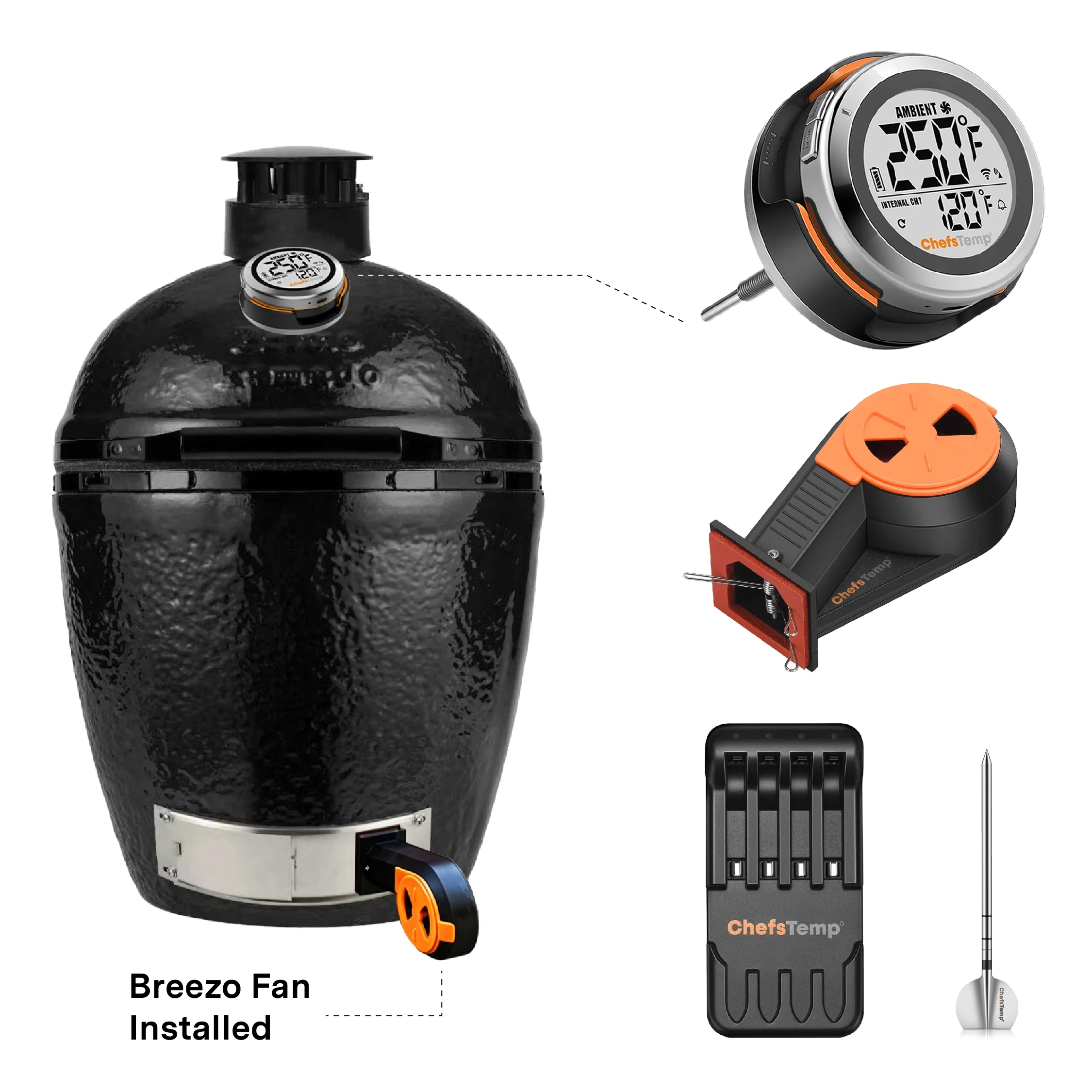
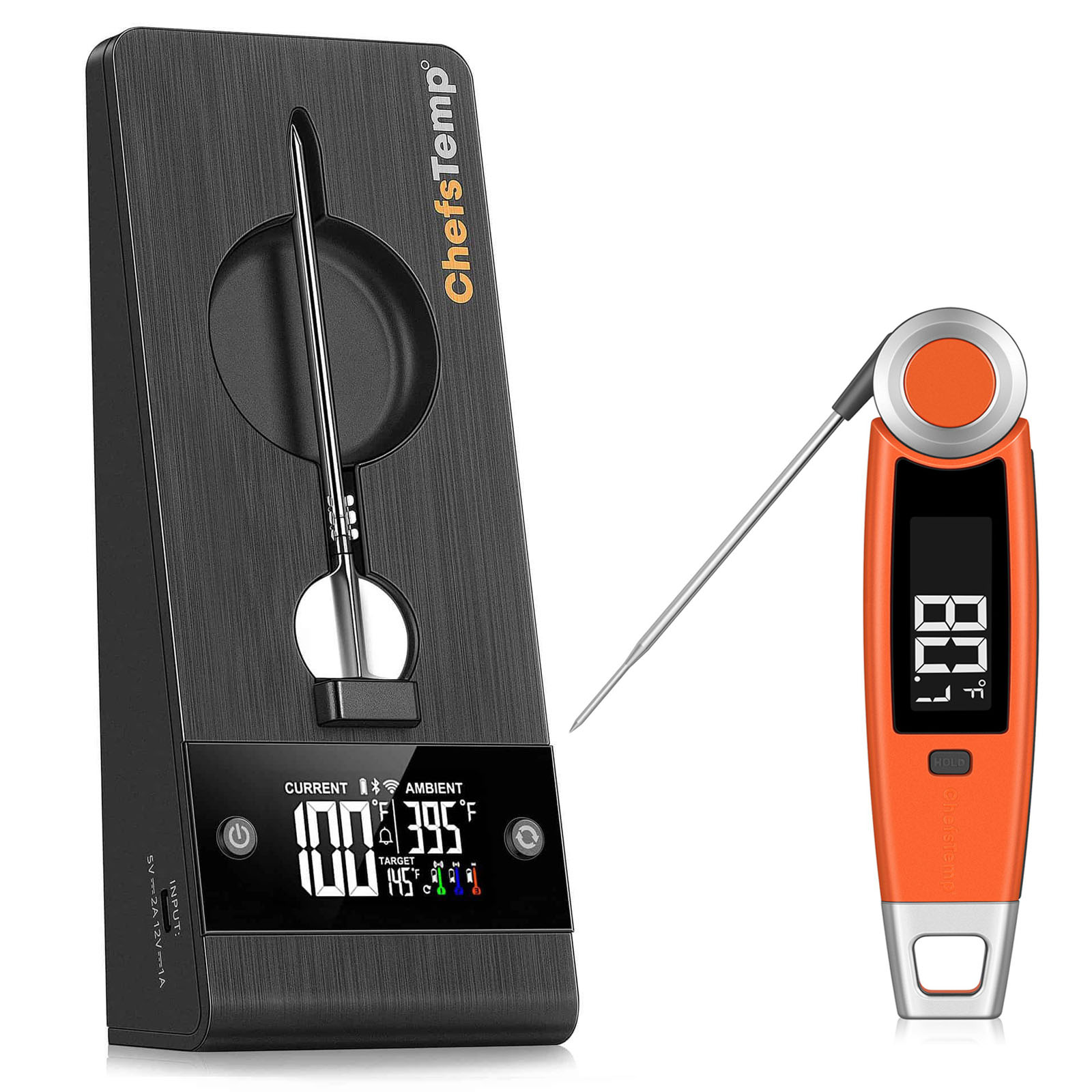
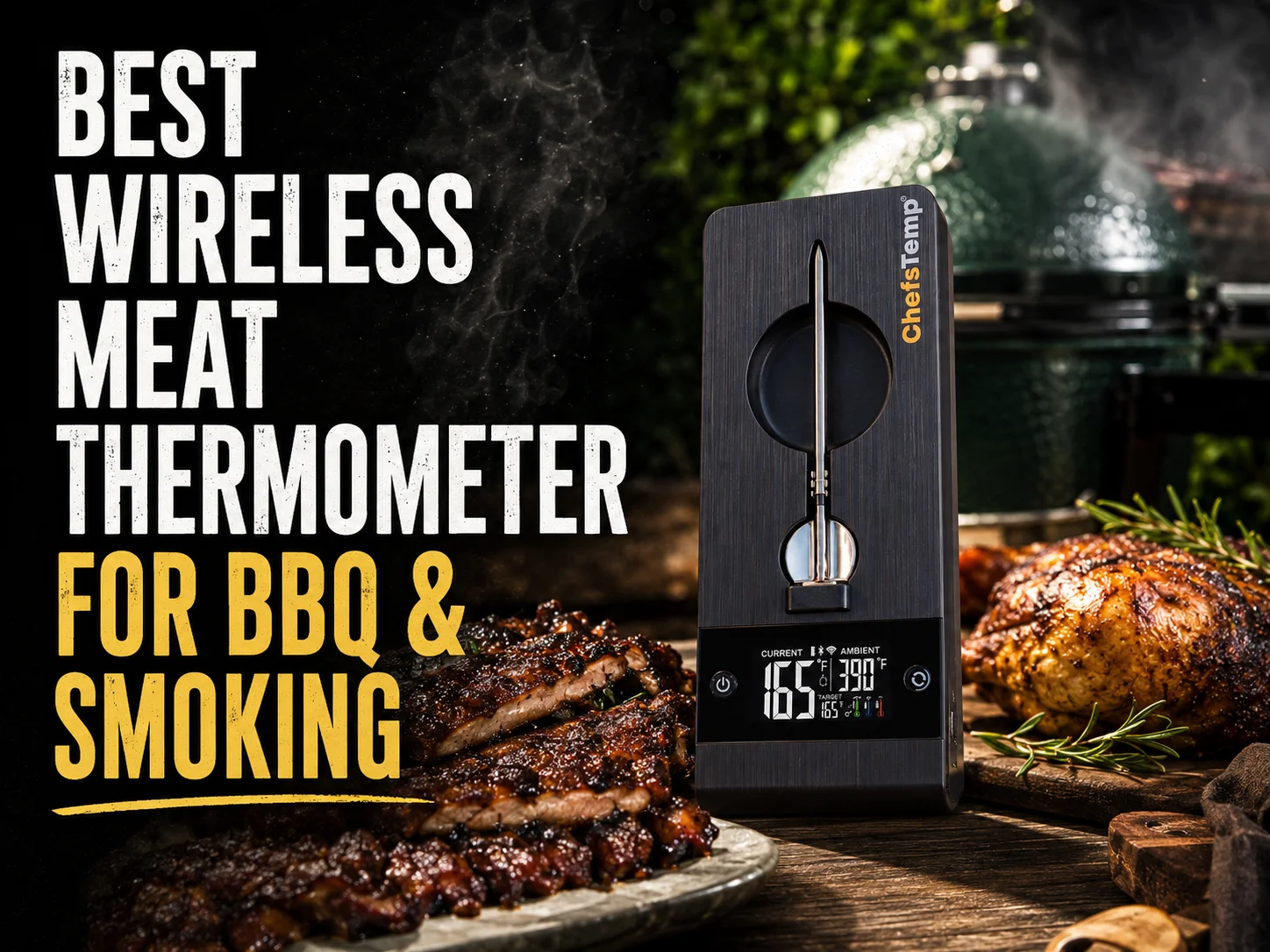
On a broad scale, food in the United States is inspected by the USDA through their Food Safety and Inspection Service (FSIS) before being sent out. This service checks the quality of things like meats, eggs, and poultry. This is why you see certain products with the USDA inspection official seal on them. For food served in restaurants, the hygiene is inspected by someone from the local health department. They check to ensure that only the most hygienic food is being served—usually by checking for proper food storage and expiration dates. When checking for food safety, inspectors should always use the proper tools. A food thermometer is essential for checking both the internal temperature of cooked foods and the temperature at which foods are stored. We recommend this one for constant temperature monitoring.Food Hygiene Regulations
Food hygiene is regulated, but specific regulations vary by location. For example, each state in the United States has their own guidelines for regulating food safety. However, most businesses just stick to the Food and Drug Administration’s food code. To read up on your state’s food hygiene regulations, refer to the website of your local health department.
In addition to being guided by the FDA, food hygiene is regulated through certificate requirements and training courses. This is due to the government requirement that establishments display their food hygiene certificates. In the next section, we will talk more about food hygiene certificates.
Food Hygiene Certificates
Did you know that you can be certified in food hygiene? It’s true! There are certificates given to individuals and businesses for completing food safety courses and food hygiene training. Most commonly, restaurant owners will be trained in food hygiene and will have the certificate to prove it. In fact, it’s actually a requirement for restaurant owners in many states. However, it’s not out of the ordinary for the owner of a restaurant to ask that their cooks and servers get certified as well. Be sure to keep an eye out for these certificates when dining out—the restaurant should have them posted on a wall somewhere alongside their permits.Food Hygiene Courses
Although typically required for restaurant or kitchen employees, anyone who wants to can take a food hygiene course. While there are a number of courses offered online, you can also look for a course at places such as:- Community colleges
- Trade schools
- Career centers
- Food storage
- Food preparation
- Food handling