Cooking food is both an art and a science. It is a culinary art because it involves using ingredients, herbs, and spices to enhance flavour and present food in a way that makes it appetising. But there is also science needed to ensure that the food, especially seafood and meat, is safe to consume. If you do not achieve the ideal internal cooking temperature, it could lead to foodborne illness because parasites in the meat are not killed during cooking. What is the minimum internal cooking temperature for seafood? If you enjoy cooking fish and other types of seafood, then make sure you know the best way to cook them.
When cooking shellfish, ensure you discard any that do not open during cooking.
Part 1. What Is the Minimum Internal Cooking Temperature for Seafood?
The ideal internal temperature when cooking seafood is 145 degrees F (63 degrees C), according to the USDA. You can use this as a general guideline when taking the internal temperature of the seafood to ensure it is cooked thoroughly and safe to eat. However, seafood is a broad term, and various types are sold for human consumption. It is important to understand the internal cooking requirements for each type of seafood to ensure that you can enjoy them without worrying about foodborne illnesses.Internal Cooking Temperature Guide for Fish
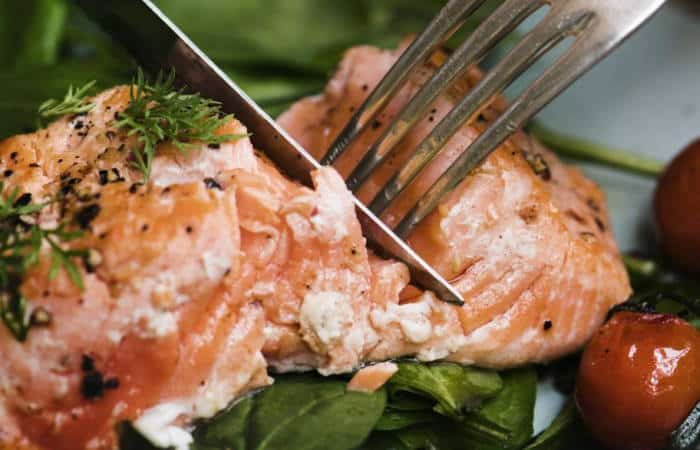
Cooking fish is a challenge. It’s something many people are wary of because it is easy to mess up if you are not a skilled chef. The fact that the optimal cooking temperature and method vary by fish type can add to the difficulty of the task. Once you get the right temperature, you can enjoy perfectly cooked fish (whether it’s fried, steamed, or baked). However, the level of precision required to cook meat should not intimidate you. As long as you know the ideal internal cooking temperature for fish, then you should be able to handle the task well. Unlike most types of meat, fish has a low collagen content. The muscle fibres of fish are also shorter. Plus, fish is more sensitive to heat than beef, pork, or other meats. If you cook it for too long, it will quickly lose its moisture. You want fish to become soft and flaky, not dry and rubbery. The main difference between cooking fish (versus red meats) is that there are no varying levels of doneness (medium rare, medium, medium well, etc). You either cook the fish right or overcook it (or undercook it). You can use your physical senses to determine if the fish is cooked. You can use your sight to examine the colour of the fish, depending on your method of cooking. Another approach is to touch the meat. Softly poke the outside of the meat to feel how tender it is. If the fish feels firm, it is cooked; if it is soft, it is still undercooked. Using a thermometer is the best way to measure the fish’s internal temperature and ensure it is cooked. The FDA recommends cooking fish to 145 degrees F (63 degrees C), as this temperature is enough to kill any harmful bacteria. Follow this chart to determine the right internal cooking temperature for fish:| Type of Fish | Internal Cooking Temperature |
|---|---|
| Salmon | 125°F (52°C) |
| Tuna | 115°F (46°C) |
| Halibut | 130°F (54°C) |
| Sea Bass | 135°F (57°C) |
| Cod | 145°F (63°C) |
Part 2. Internal Cooking Temperature Guide for Shellfish and Crustaceans
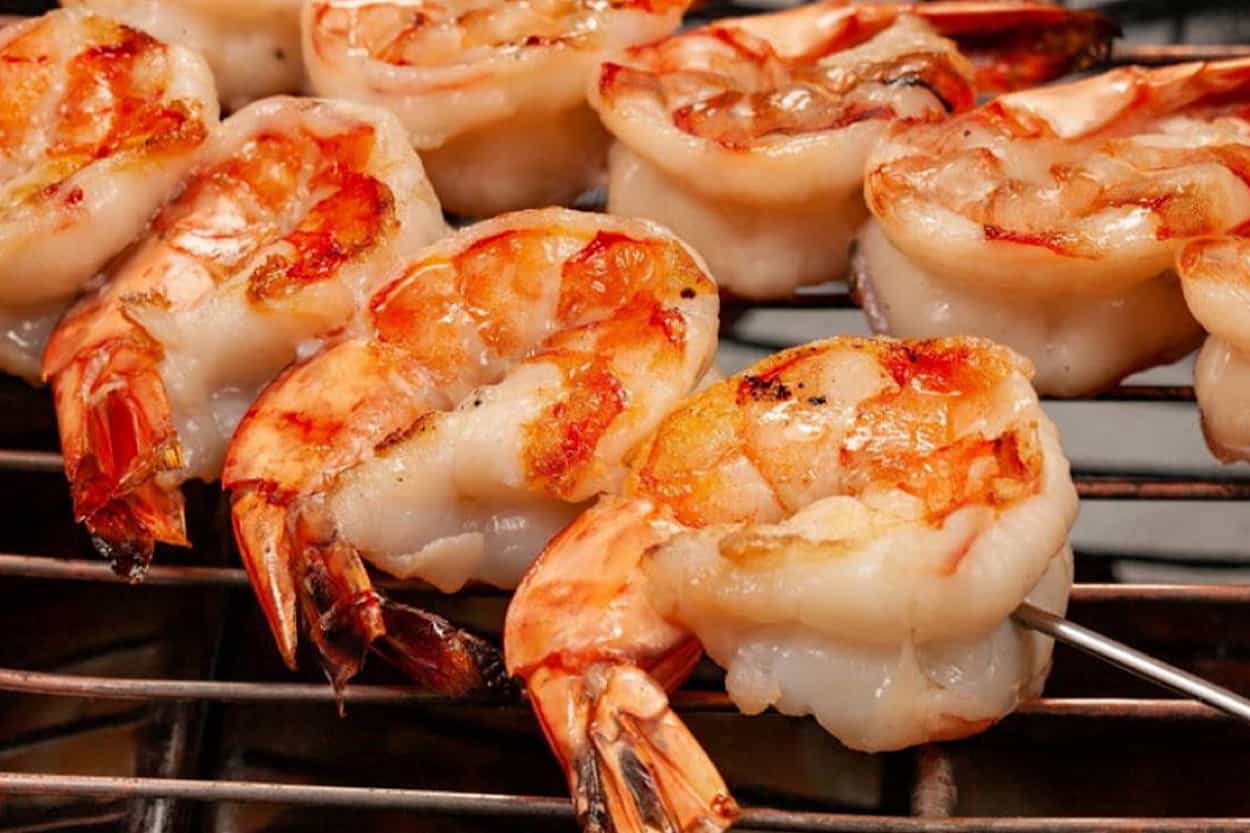
Like fish, shellfish and crustaceans are other types of seafood that can be tricky to cook. Some shellfish types cook in just a few minutes, while others can take a while. It depends on your chosen cooking method (boiling, grilling, baking) and the specific type of shellfish you are cooking. Use this chart as a guide to determine the internal cooking temperature:| Type of Shellfish | Internal Cooking Temperature |
|---|---|
| Lobster | 140°F (60°C) |
| Scallops | 130°F (54°C) |
| Shrimps | 120°F (49°C) |
| Crabs | 140°F (60°C) |
| Mussels | 165°F (74°C) |
Part 3. Why Is It Necessary to Cook Seafood to the Correct Temperature?
Many seafood products can be consumed raw, such as sashimi and fresh oysters. So, what is all the fuss about cooking seafood to the correct temperature? This is a legitimate question, but it is worth noting that the handling and storage of seafood depend on the intended consumption and vary significantly. Sashimi is one of the best examples of the method of preparing seafood that can be eaten raw. The FDA stipulates the guidelines for handling and storing seafood that can be considered sushi-grade. For example, it is called fresh frozen food. Once it is harvested, the fish is frozen immediately. Freezing kills parasites present in fish or seafood. Freezing the fish immediately upon harvest preserves its freshness and nutritional value, which is why sushi and sashimi are safe. However, cooking seafood that has not undergone fresh freezing may expose it to parasites. This is why it is recommended that you meet the required internal temperature for that seafood to kill the parasites. Aside from safety concerns and ensuring the seafood is safe to consume, cooking it to the correct temperature is also essential to keep the meat tasty and achieve the right texture. Some seafood products, such as squid and shrimp, can get rubbery when overcooked.
Part 4. How to Check the Internal Temperature of Seafood
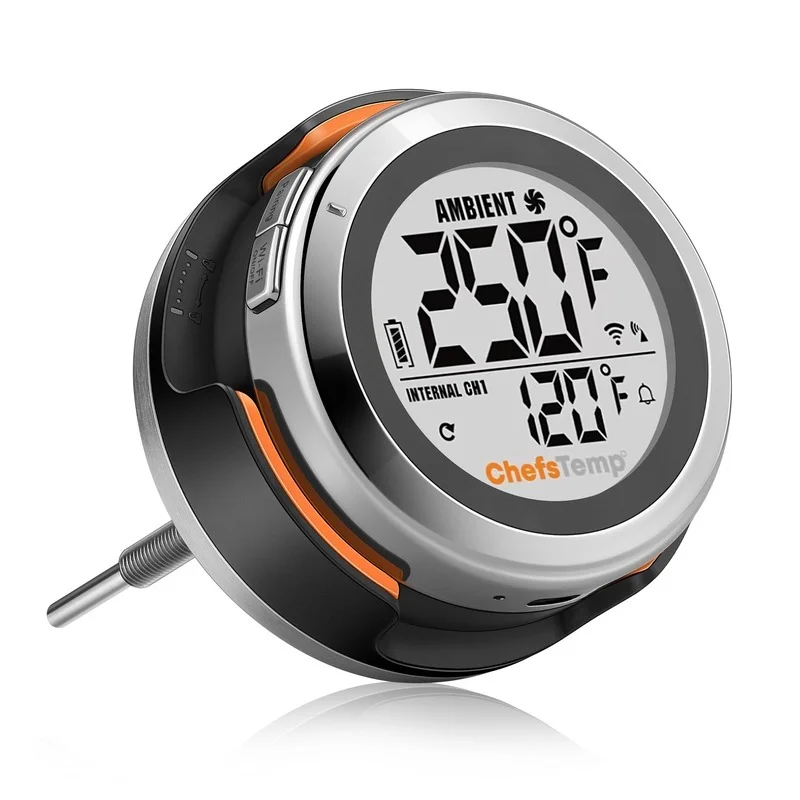
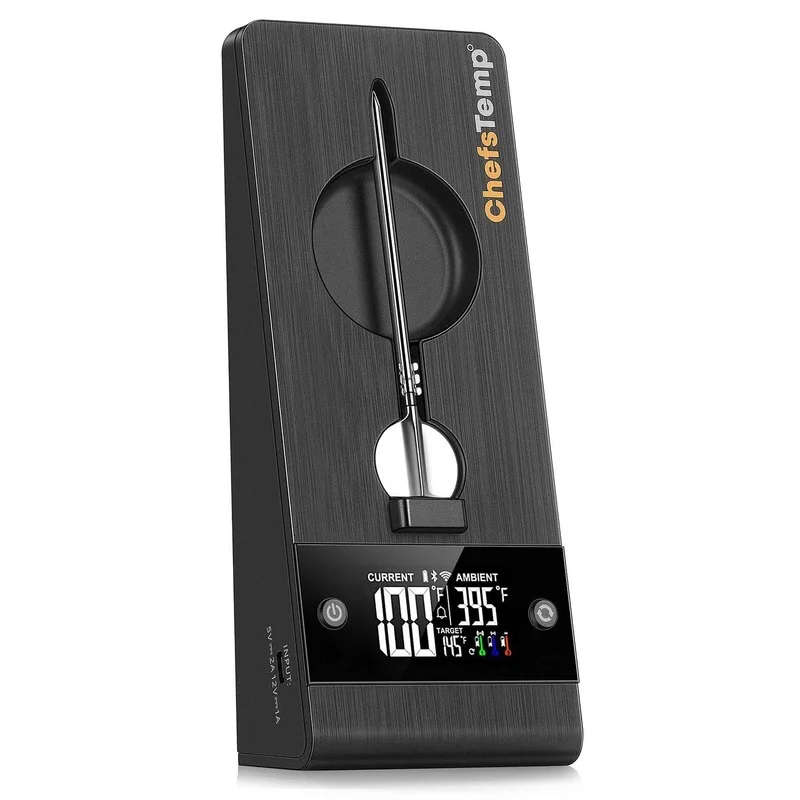
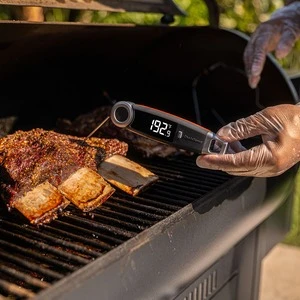
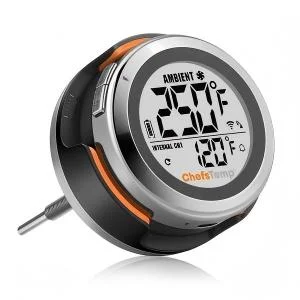
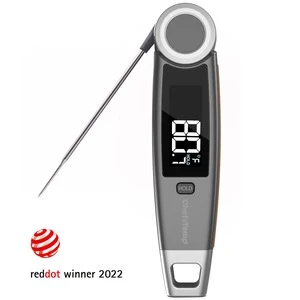
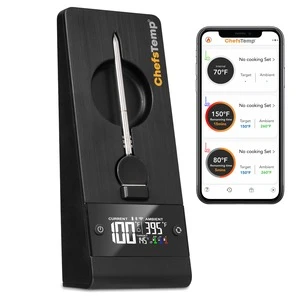
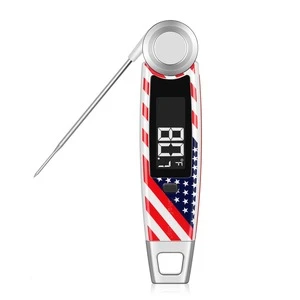
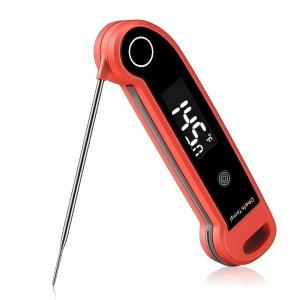
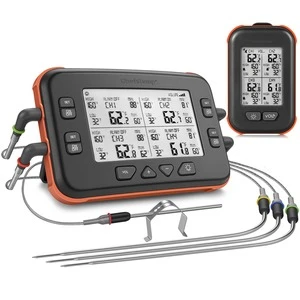
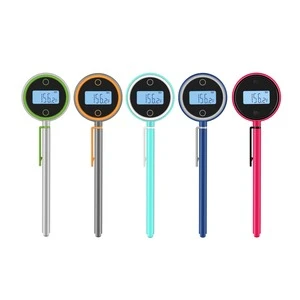
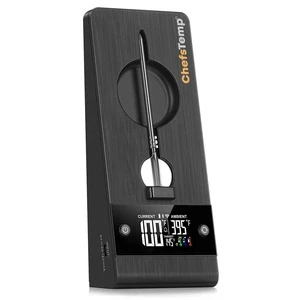
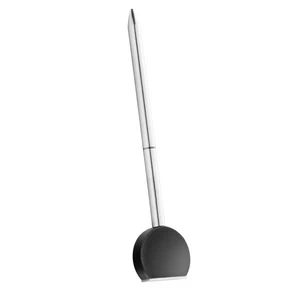
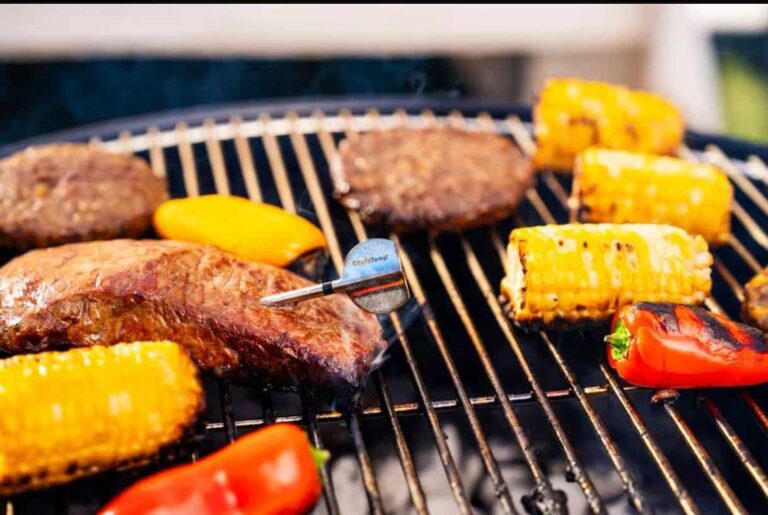
You can use an instant-read or meat thermometer to check the internal temperature of seafood. There is no need to buy a specialised tool for this since you can use your regular meat thermometer to check. Depending on the size of the fish or seafood you are cooking, make sure to insert the probe into the centre of the meat for the most accurate reading. There are also some seafood products, like shrimp or crabs, that change colour when they are cooked. You can use these as cues to tell you when the seafood is done. However, using a thermometer is the most accurate way to tell that the seafood is done without overcooking it. In addition, to confirm the target temperature at any time, it is recommended to place a meat temperature chart magnet on the grill.RELATED POSTS
CHEF IQ Alternative: Is ChefsTemp the Best Thermometer for Smoker Cooking?
The chef iq thermometer has earned a solid reputation in modern kitchens. For indoor roasting, air frying, or ...
Best Meater Pro Alternatives in 2026: Finding the Best Wireless Meat Thermometer for Smoker
Meater Pro revolutionized wire-free cooking, but heavy-duty steel offsets and thick ceramic kamados create phy...
Finding the Best Smart Wireless Meat Thermometer: The Ultimate ThermoWorks RFX Alternative
It takes time, money and accuracy to prepare a top-notch brisket for a weekend BBQ party. However, that enthus...
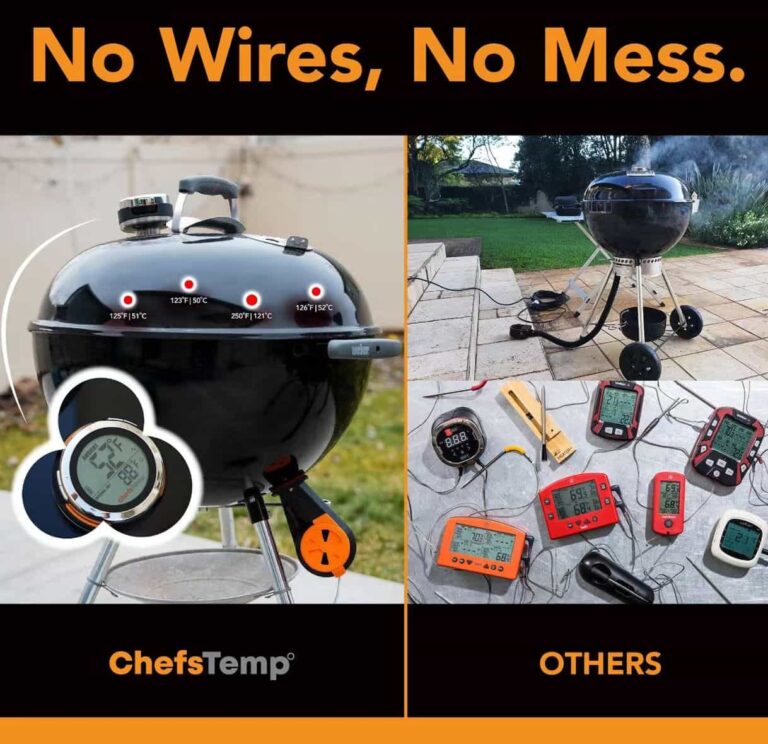
Beyond PitmasterIQ: Transforming Weber Grill Temperature Control with an All-in-One Monitoring Hub
Brisket purveyors have a reputation for waking up in the middle of the night to check the temperature of smoki...
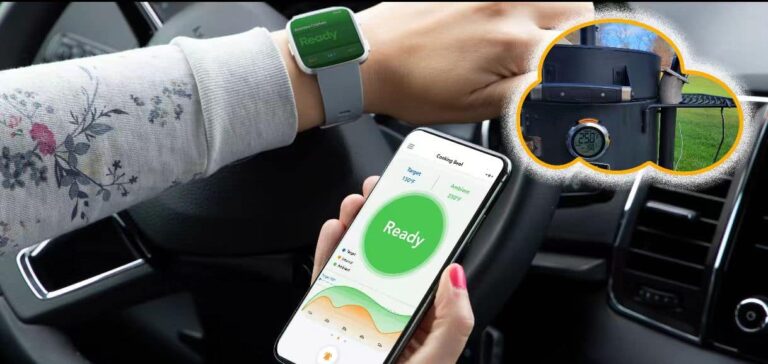
The Ultimate Smart Grilling Hub: A Modern Alternative to BBQ Guru for 2026
I still recall the stress from my first overnight brisket. It wasn't the charcoal that kept me up. It was the ...
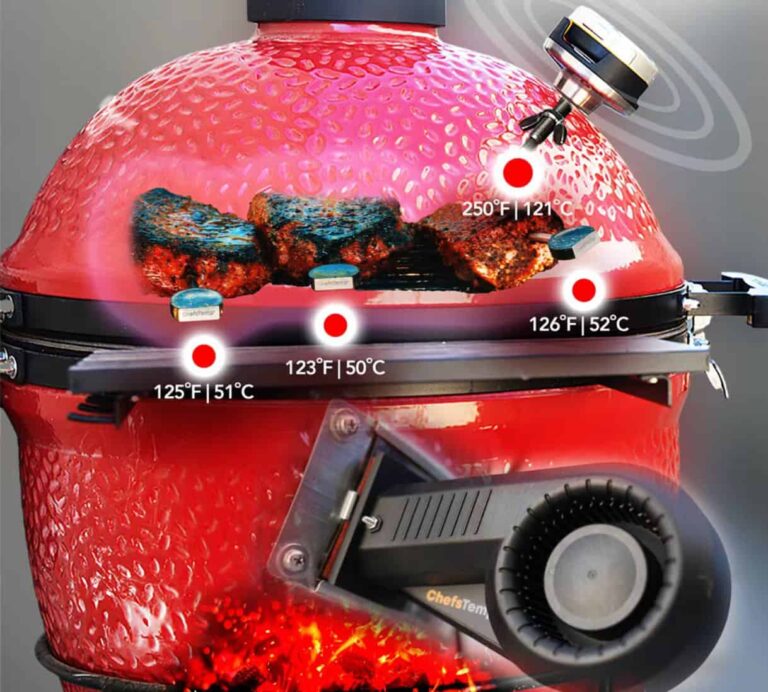
Master Your Kamado Joe Temperature Control: The Ultimate SMOBOT Alternative
A well-insulated grill with high-end ceramic insulation is great. But let's face it: monitoring grill vents fo...
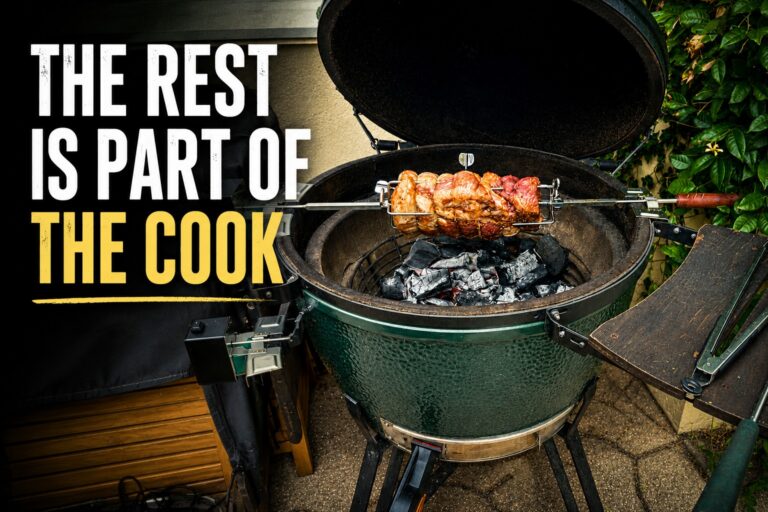
The Rest Is Part of the Cook
"Using time, temperature, and even your grill to protect the final result."
Most of us spend a lot of time th...
Pitmaster IQ Alternatives: Best Smart Wireless BBQ Controls Guide
Compare the top Pitmaster IQ alternatives. Learn about smart wireless smoker controllers that control airflow and heat for perfect meals year-round.
Kamado Grill Accessories: The Ultimate Guide to Building a Smart Ecosystem
Heavy-duty ceramic grills deliver amazing flavor, but that thick-walled grill is a challenge to master. If you...
SMOBOT Review: Is It Still The Best Kamado WiFi Grill Controller?
SMOBOT automatically controls your Kamado vent, but jammed gears and weak WiFi can cost entire cooks. Here is what to know before you buy.
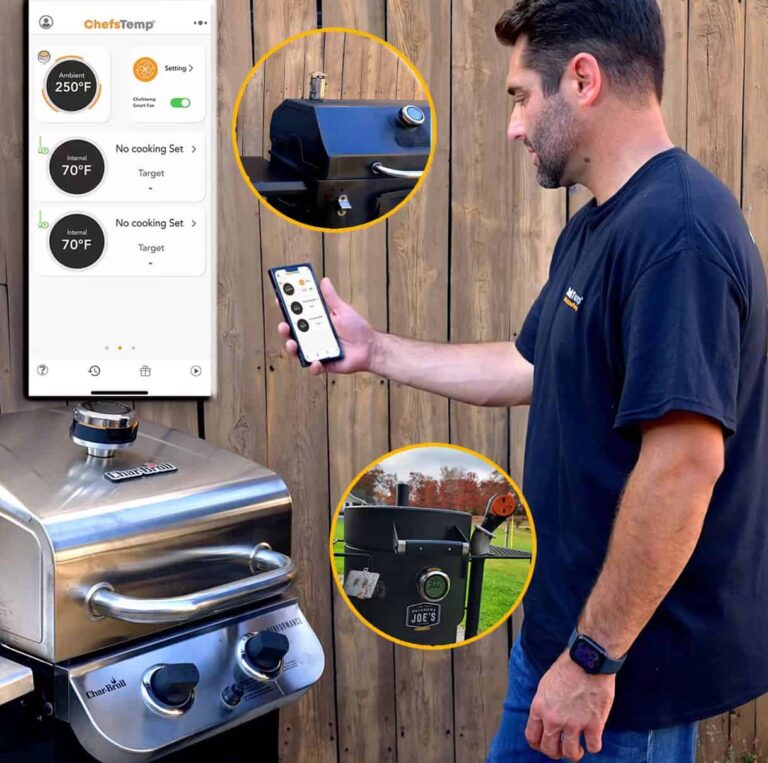
Accessories for BBQ Grill: Brand-Agnostic Compatibility & Tech Integration
Let’s be honest: when you look for accessories for bbq grill, another silicone brush won’t fix a ruined briske...
The Best WiFi Meat Thermometer for Smoker: ProTemp Plus (True Wireless) vs. Signals (Wired)
Smoking a brisket requires a full day of commitment. It's not just a “set it and forget it” kind of deal. We'v...