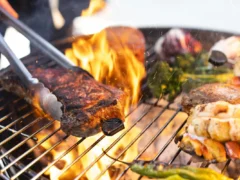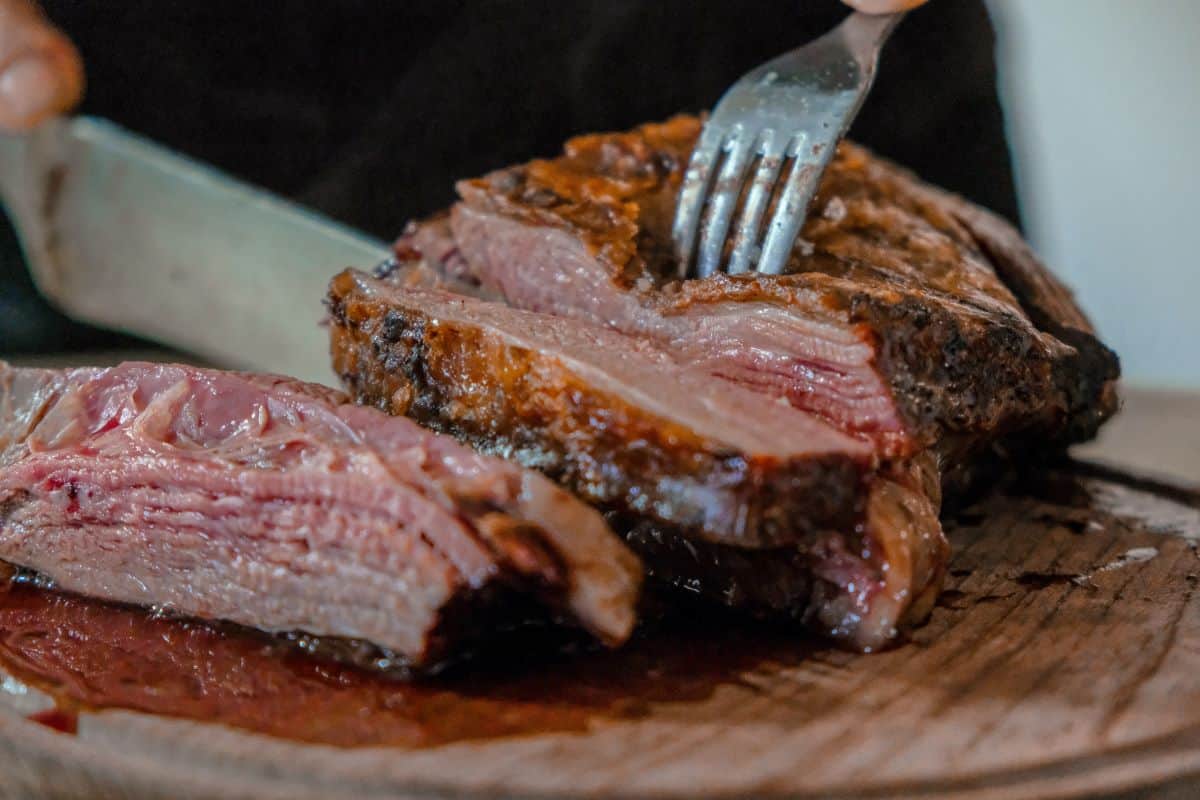
Everyone loves a good steak. But unfortunately, not everyone knows how to cook a steak properly. It can be daunting to cook a steak because if you don’t get the temperature right, you’ve ruined the meat. This guide tells you how to use a meat thermometer on a steak so you can cook it like a pro!
Part 1. Guide to Steak Doneness
Before you learn how to check the steak for temperature, you must know the ideal temperature for your preferred doneness. Here is a summary of the internal temperature chart that you should refer to if you want your steak done correctly:- Rare – 120°F (50 °C)
- Medium Rare – 130°F (54 °C)
- Medium – 140°F (60 °C)
- Medium Well – 140°F (60-65 °C)
- Well Done – 160°F (70 °C)
Part 2. Why the Method of Cooking Steak Matters
There are several thermodynamic principles involved when you cook a steak. Understanding how these different elements come together to help you cook the perfect steak is essential. In addition, it gives you an idea of how quickly or slowly the meat cooks, depending on how heat energy is transferred. Charcoal is the primary source of heat when cooking your steak on a grill. The concept of radiation applies here because the charcoal generates radiant heat of up to 650 F (343 C) on the grill surface. The cooking process also relies on conduction through a metal grill grate. The metal can conduct heat from the burning charcoal and cook the meat when you place it on the grill. Finally, the air circulating the steak as it cooks on the grill also facilitates convection. Convection cooks the meat faster by distributing the heat, especially when cooking on a covered grill. It lets the meat heat up and cook faster by trapping heated air inside the grill. These different heating processes make it challenging to time the steak’s cooking perfectly. Therefore, you have to use a thermometer to check the steak’s internal temperature for accuracy. Otherwise, you could be a few degrees off if you base it solely on the meat’s appearance.
1. What You Must Know About Resting and Carryover Cooking
The concepts of resting and carryover cooking are essential considerations when cooking steaks. There is debate over whether resting is necessary for steaks. The accepted idea is that you have to rest the steak after cooking, as it allows the meat to reabsorb the juices that make it tender and succulent. Not only will your steak lock in its juices, but it will also continue to cook even after being removed from the grill, as its residual heat continues to cook it. As its center retains heat from outside sources during cooking, carryover cooking explains why you should remove your steak before it reaches its recommended doneness temperature. Two factors impact carryover cooking: 1) the size of the meat and 2) the cooking environment. The smaller the steak cut is, the less carryover cooking it has. And the hotter the cooking environment, the more carryover. Consider these two factors before you take the steak out, as they can determine how much cooking time you need to get the ideal doneness.2. The Thermometer You Use Matters, Too
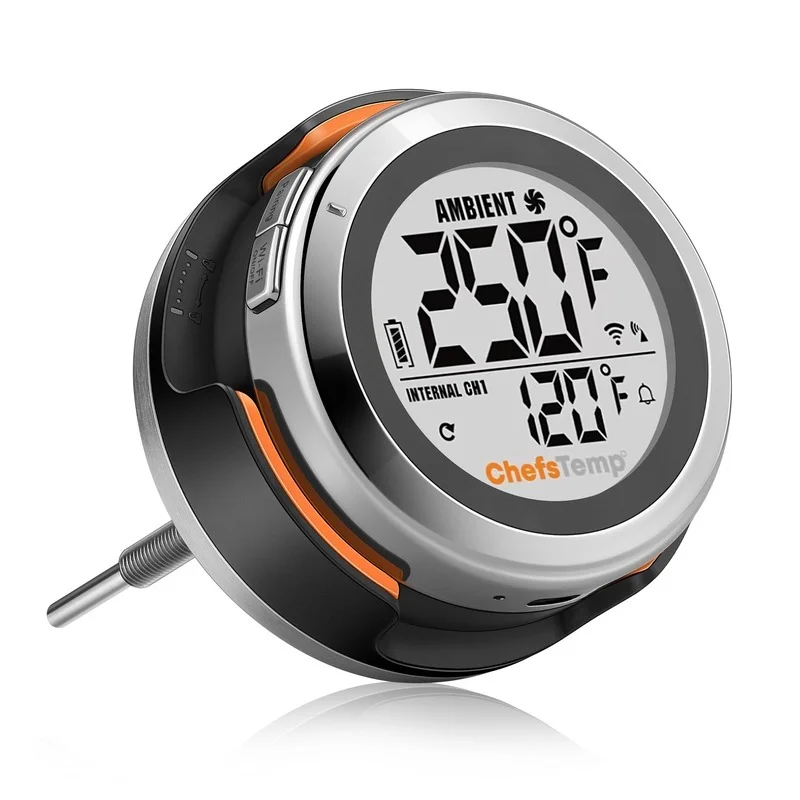
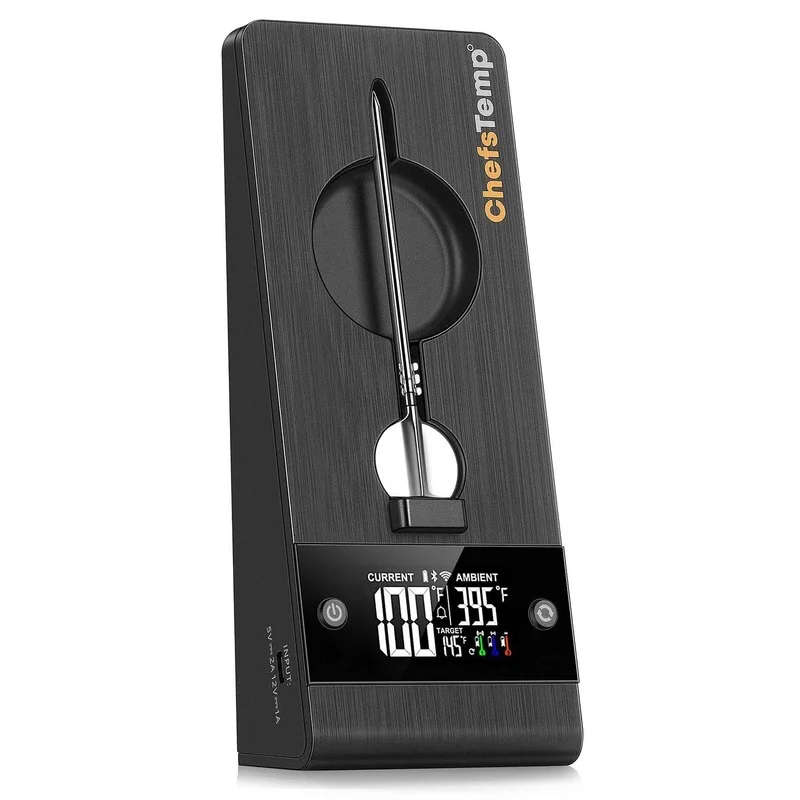
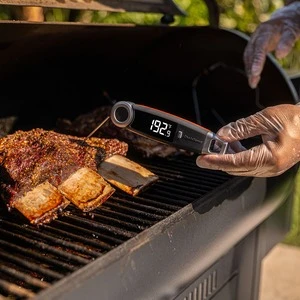
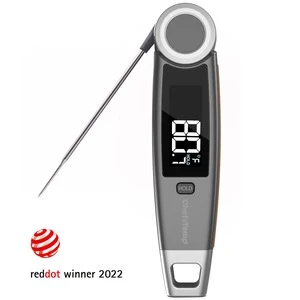
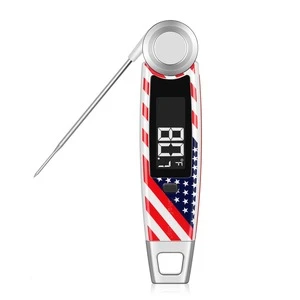
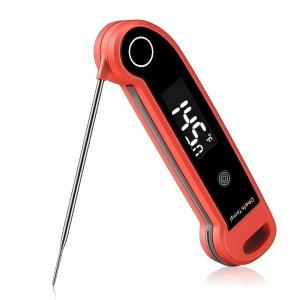
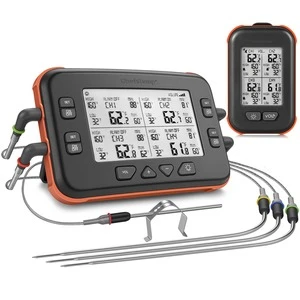
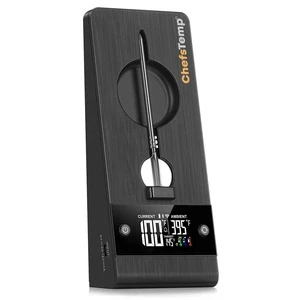
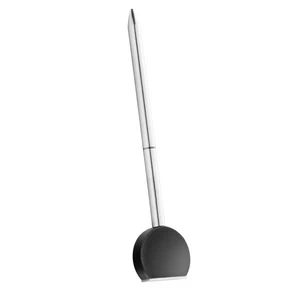
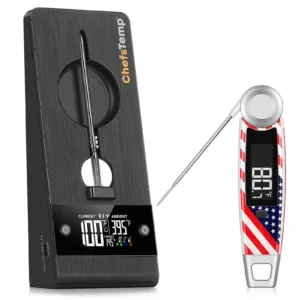
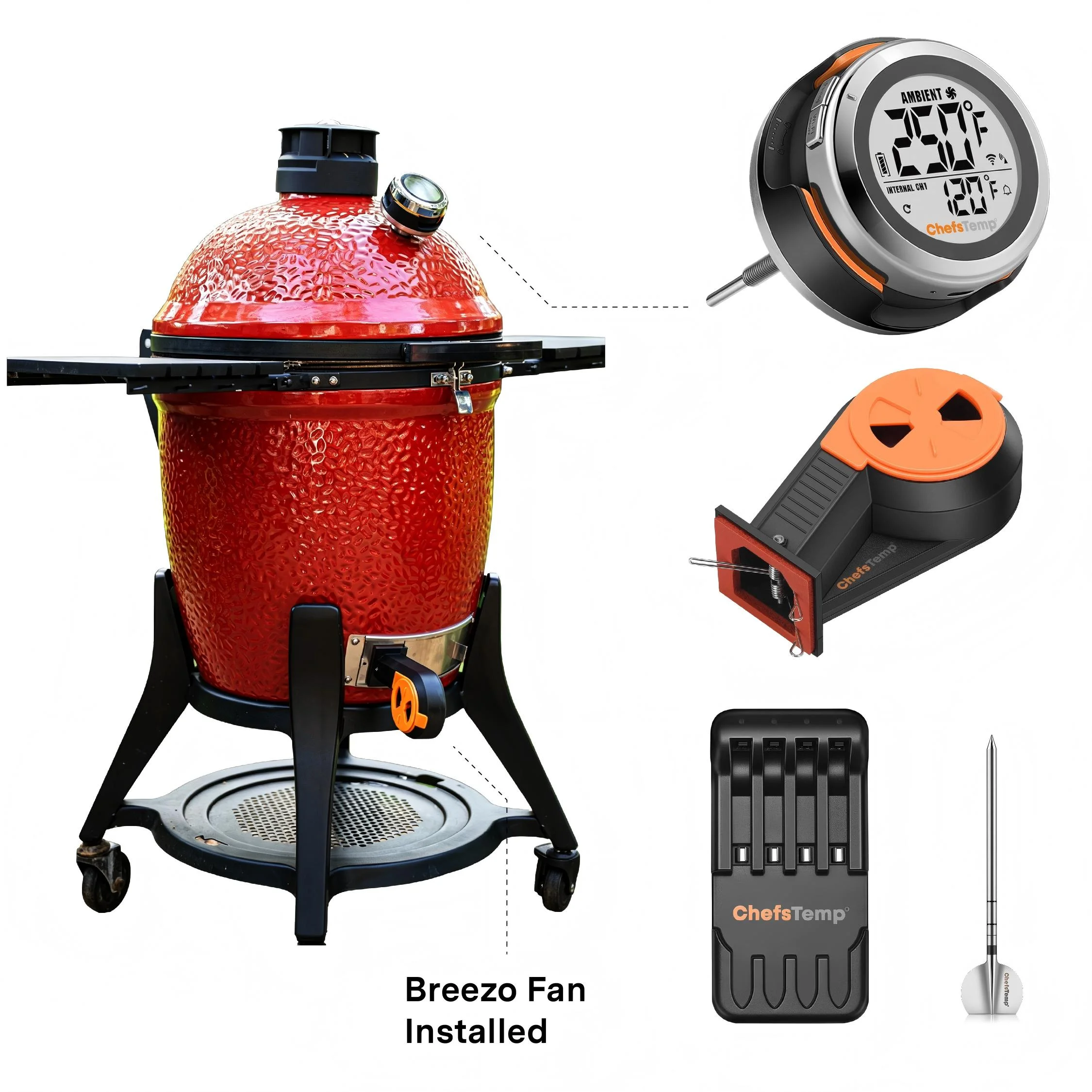
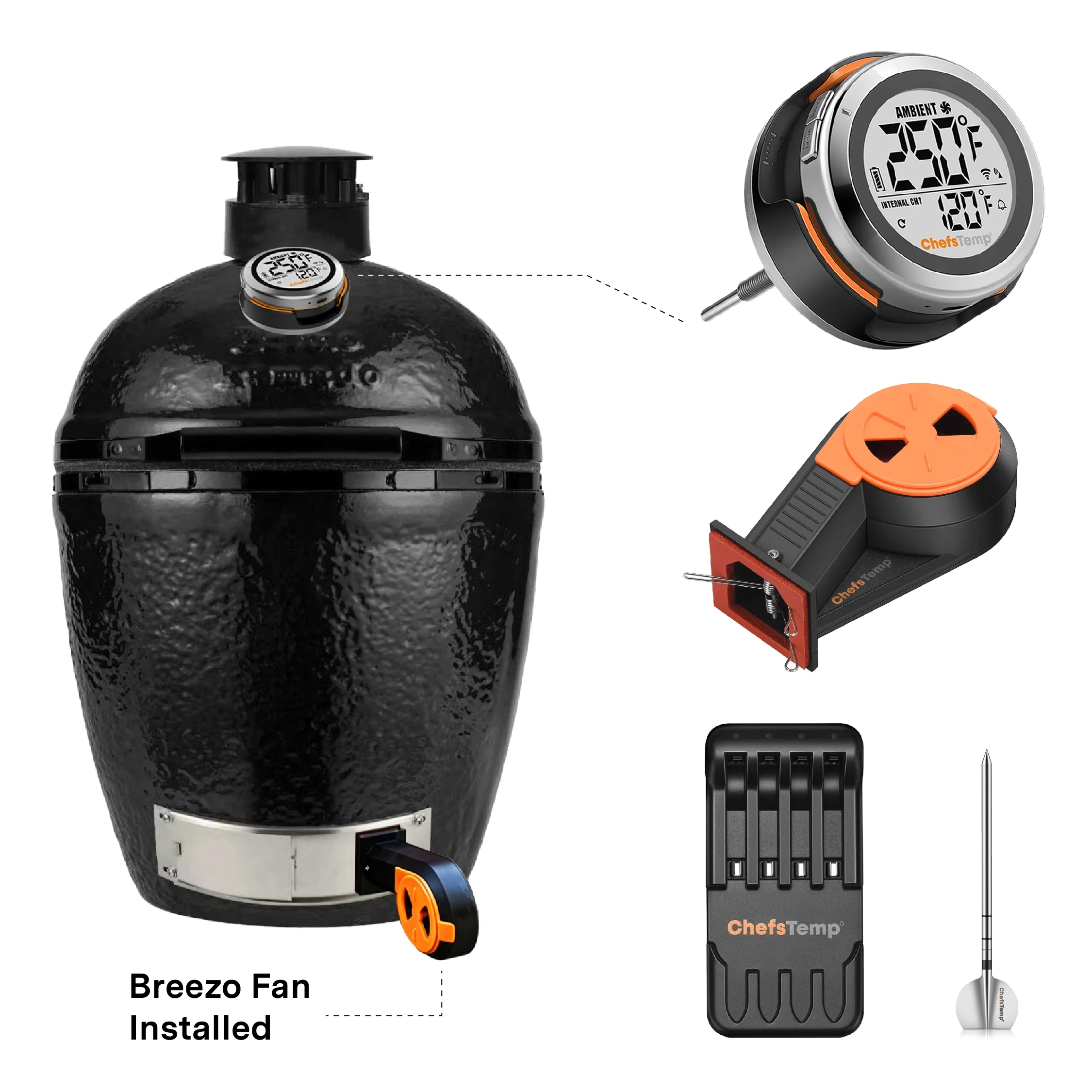
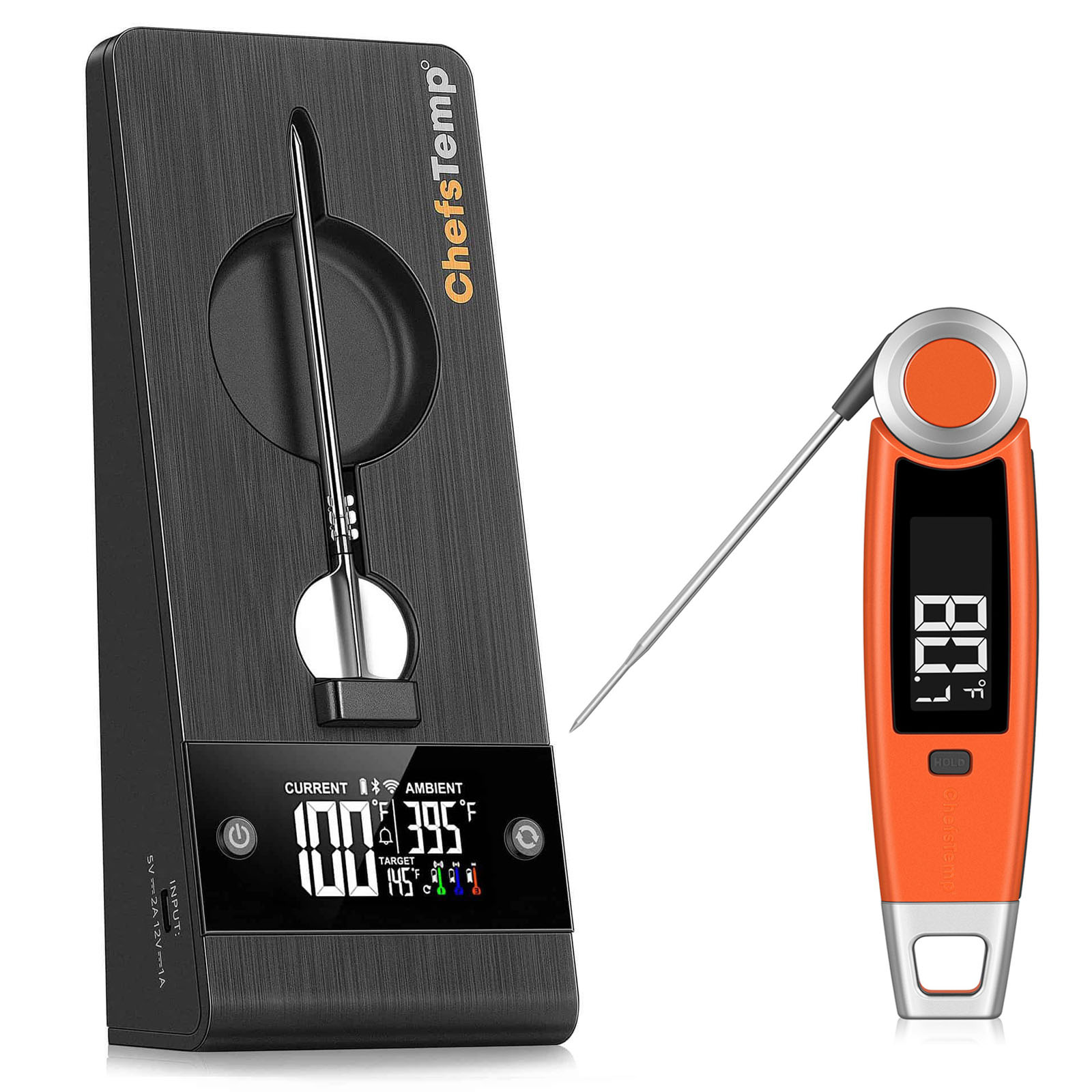
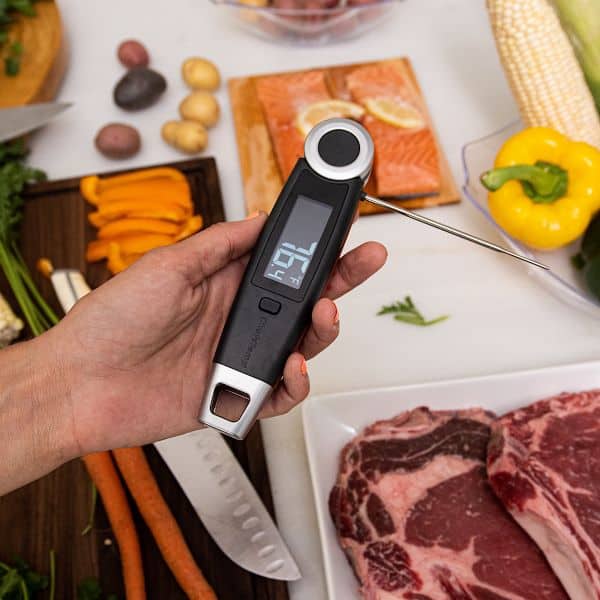
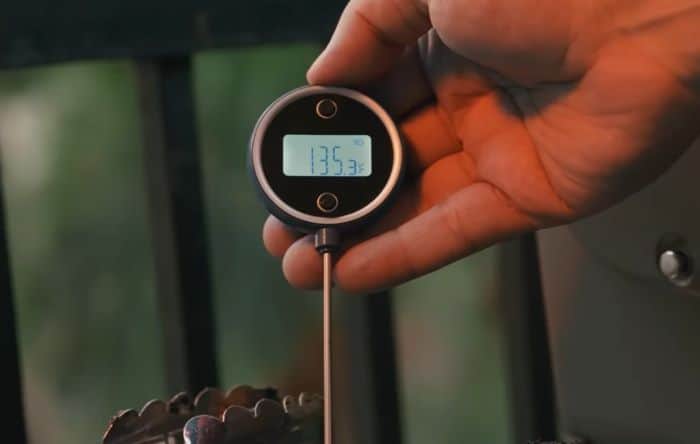
There is a proper technique for cooking steak. It can be intimidating for someone who isn’t used to cooking steaks because the process can seem complex. However, having a temperature reference when cooking steaks is essential for verifying the steak’s temperature. A digital thermometer is an ideal choice for checking steak temperature. They can scan the temperature, which is vital when cooking on a grill, since you don’t have to hold the thermometer over the hot grill surface for too long. The temperature is displayed on a digital display, ensuring an accurate reading. The sensor is placed on the tip of the probe. It’s the best tool for helping you reach the steak’s thermal center, so you know when it’s ready to be pulled off the grill.